

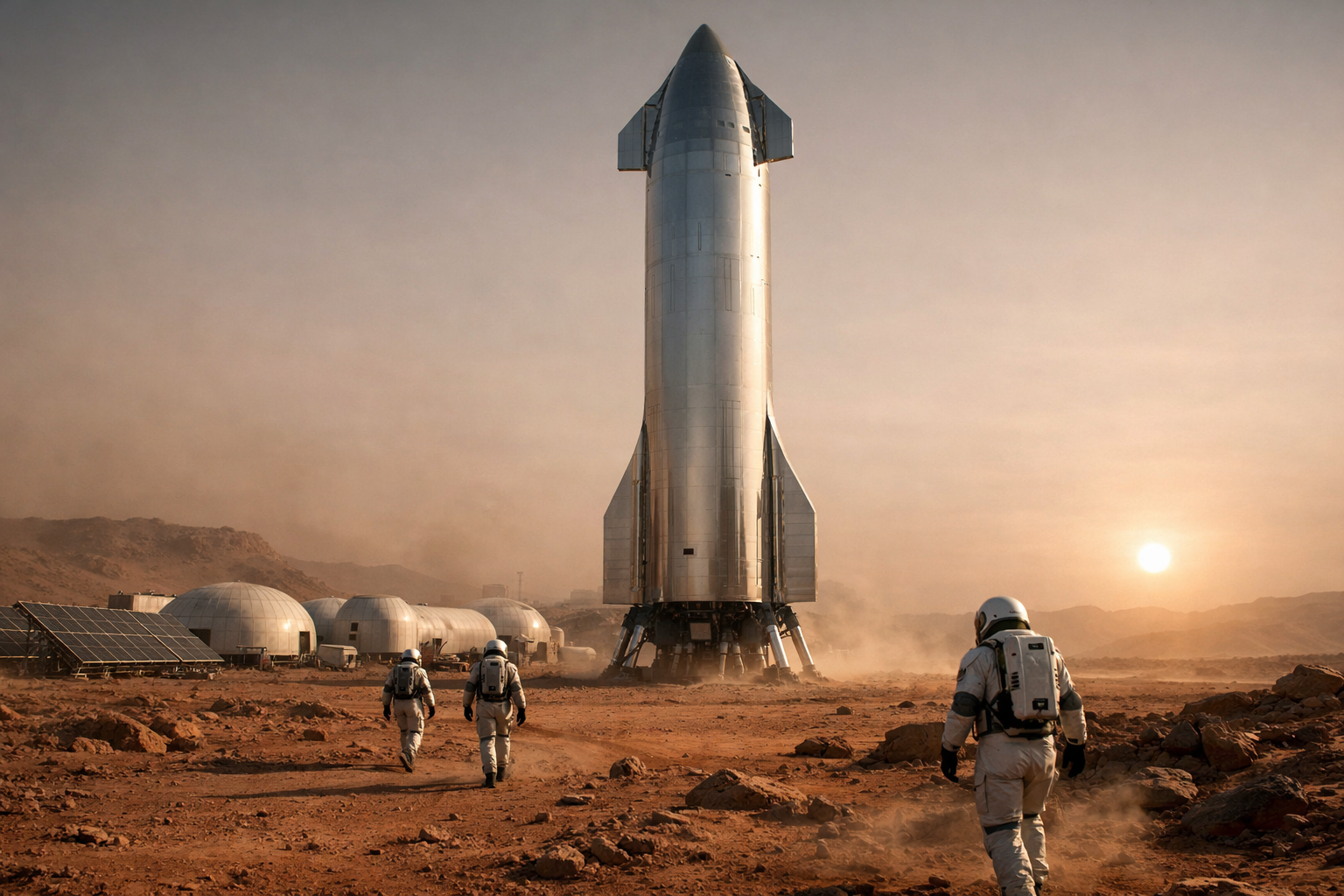
Starship Mars colonization sounds like a bold promise straight out of science fiction, yet it is now being tested with stainless steel, methane engines, and real explosions on the Texas coast. Can SpaceX’s Starship truly turn humanity into a multi-planetary species, or is Mars still an unforgiving world that will resist us for generations? That single question sits at the heart of one of the most ambitious engineering projects in human history.
For the first time since the Apollo era, humans are not just talking about visiting another world, but about staying there. Elon Musk has repeatedly stated that Starship is designed to carry over 100 people at a time and eventually support a self-sustaining city on Mars. That vision excites millions. It also alarms scientists who understand just how hostile Mars really is. The truth, as usual, lies somewhere between hope and hard physics.
Why Starship Mars Colonization Has Become the Center of the Space Debate
Starship Mars colonization matters because it represents a shift in how humanity thinks about survival. Earth has faced five mass extinctions in its history, and many scientists argue that becoming multi-planetary could protect civilization from asteroid impacts, pandemics, or climate collapse. Musk often frames Starship as a “species-level insurance policy.”
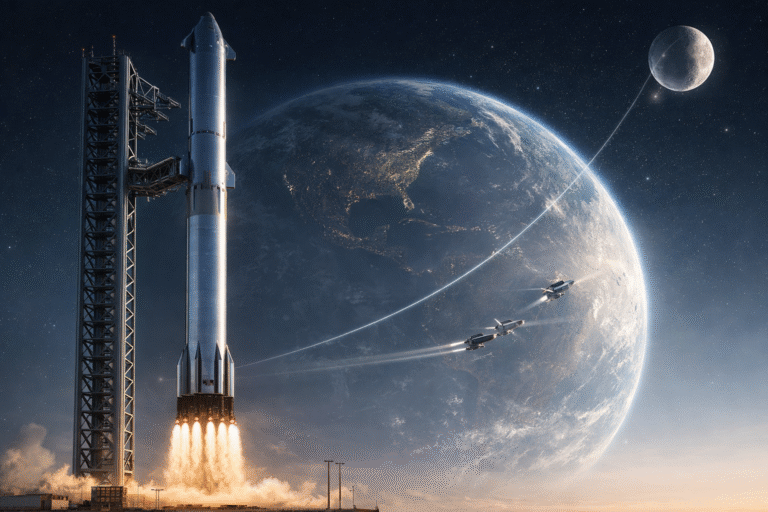
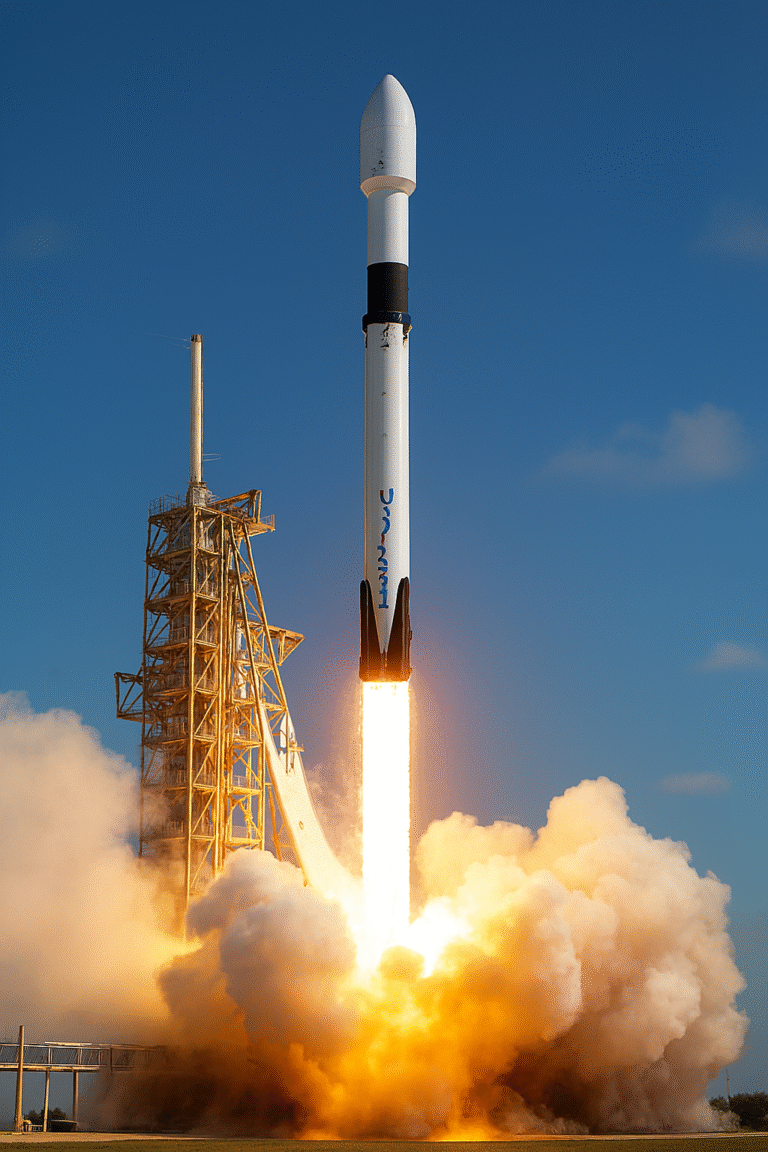
Starship is not just another rocket. Standing about 120 meters tall when stacked with the Super Heavy booster, it is the most powerful launch system ever built. At liftoff, it produces roughly 74 meganewtons of thrust, nearly twice that of NASA’s Saturn V. That raw power is what makes Mars cargo missions financially plausible rather than fantastical.
NASA itself has acknowledged Starship’s potential, selecting a modified version as the Human Landing System for the Artemis Moon missions. This alone signals that Starship is more than hype. Still, the Moon is one thing. Mars is an entirely different beast.
The Brutal Physics of Getting Humans to Mars
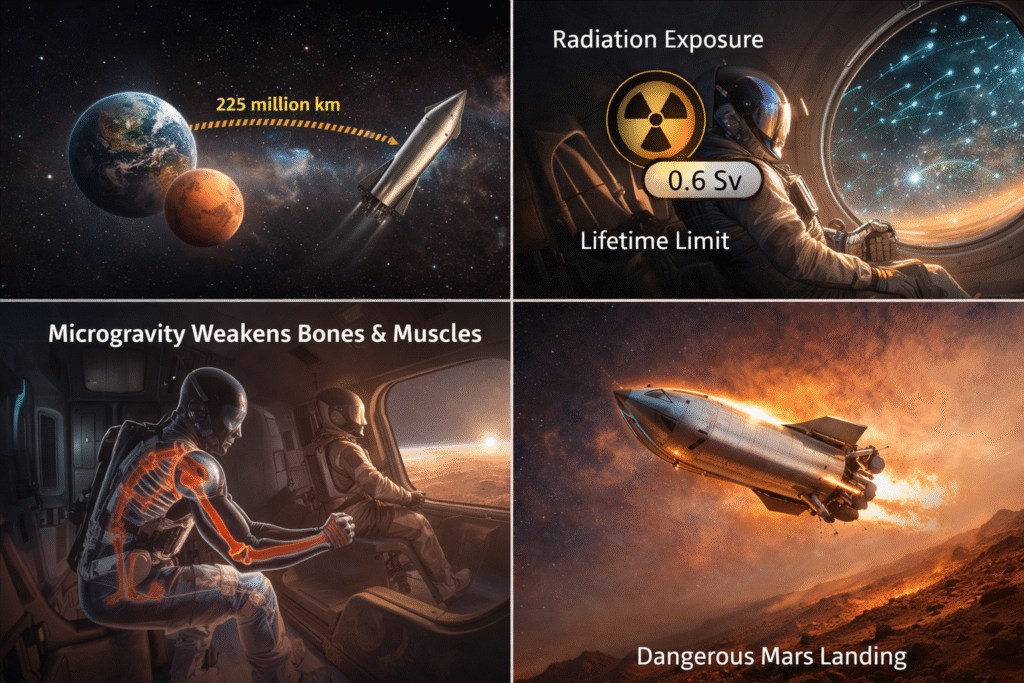
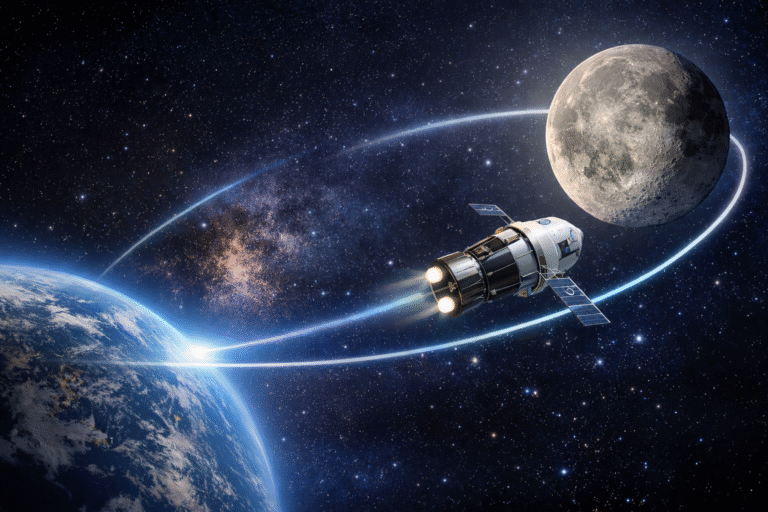
Starship Mars colonization faces its first enemy before anyone even leaves Earth: distance. Mars is, on average, about 225 million kilometers away. With current orbital mechanics, launch windows open roughly every 26 months. Miss one window, and missions can be delayed by over two years.
A typical Mars journey would take around six to nine months. That means prolonged exposure to microgravity, which weakens bones and muscles, and increased radiation exposure. NASA estimates that astronauts on a Mars mission could receive up to 0.6 sieverts of radiation, close to current lifetime limits for space travelers. Starship’s stainless-steel structure offers some shielding, but it is not a magic solution.
Then comes entry, descent, and landing. Mars has an atmosphere thick enough to cause intense heating, but too thin to provide effective aerodynamic braking. Starship’s plan involves a daring “belly-flop” maneuver, relying on heat shields and engine relights. It has worked in Earth tests, but Mars allows no second chances.
Life on Mars Is Far More Hostile Than Most People Realize
Even if Starship Mars colonization succeeds in landing humans safely, survival on Mars is a daily battle. The average surface temperature on Mars is around –63°C. Liquid water cannot exist on the surface for long due to low atmospheric pressure. The atmosphere is 95% carbon dioxide, with almost no oxygen to breathe.
Radiation is another constant threat. Mars lacks a global magnetic field, meaning cosmic rays and solar radiation bombard the surface. Studies from NASA’s Curiosity rover show radiation levels on Mars are about 2.5 times higher than on the International Space Station.
Food production is also a massive challenge. Experiments suggest that Martian soil contains perchlorates, toxic compounds that must be removed before crops can grow. Growing food will require sealed habitats, artificial lighting, and reliable energy, likely from solar panels or future nuclear reactors.
Why Supporters Still Believe Starship Can Change Everything
Despite these dangers, advocates of Starship Mars colonization argue that humans have always survived by adapting. Early explorers crossed oceans with far less safety than modern Mars missions will offer. Technology evolves quickly when survival depends on it.
Starship’s full reusability is a game-changer. SpaceX aims to reduce launch costs to below $100 per kilogram in the long term, compared to thousands of dollars today. If achieved, this would allow hundreds of cargo missions to pre-deploy habitats, food, water extraction systems, and power infrastructure before humans ever arrive.
In-situ resource utilization is another pillar of the plan. Mars has abundant carbon dioxide and water ice. Starship is designed to produce methane and oxygen fuel on Mars using the Sabatier reaction. This is not theoretical; it is basic chemistry already demonstrated on Earth. Producing fuel locally is essential for return trips and long-term settlement.
How Starship Mars Colonization Affects Life on Earth
This is not just a story for astronauts and billionaires. The technologies developed for Starship Mars colonization could reshape life on Earth. Closed-loop life support systems can improve water recycling in drought-prone regions. Advances in energy storage and insulation can influence sustainable housing. Even medical research into radiation protection and bone loss has direct benefits for aging populations.
There is also a psychological impact. Major space milestones often inspire students to pursue science and engineering. The Apollo era led to a surge in technological innovation. A successful Mars program could do the same for this generation.
For readers curious about how reusable rockets already impact satellite internet and climate monitoring, see this [Internal link to related article]. For a deeper look at NASA’s long-term Mars research, NASA’s official Mars exploration pages provide extensive data and mission updates. SpaceX’s Starship development updates also offer direct insight into ongoing testing and timelines.
The Hard Question No One Likes to Ask
Here is the uncomfortable truth: the first people involved in Starship Mars colonization may never return. Musk has openly acknowledged this risk. Early settlers would face extreme isolation, limited medical care, and constant system failures. Mars will not forgive mistakes.
So is Mars a dream or a destination? Right now, it is both. Starship has made the dream technically plausible, but not yet safe or humane by everyday standards. Turning Mars into a true second home could take decades, not years.
A Future Balanced Between Courage and Caution
Starship Mars colonization is not about escaping Earth. It is about expanding human possibility while learning to protect the planet we already have. Whether Starship becomes the vessel that carries us into a multi-planetary future or a reminder of our limits will depend on patience, ethics, and relentless engineering honesty.
The coming decade will decide whether Mars becomes a chapter in human history or remains a distant symbol of ambition.
If this question fascinates you, share your thoughts in the comments. Would you go to Mars knowing the risks? Share this article with fellow space enthusiasts, ask questions, and follow for future updates as Starship’s story continues to unfold.
FAQs About Starship Mars Colonization
Is Starship Mars colonization technically possible with current technology?
Yes, in principle. The physics and chemistry are well understood, but scaling them safely for humans is the real challenge.
How long would humans take to reach Mars using Starship?
A typical journey would last between six and nine months, depending on planetary alignment.
Why is Starship essential for Mars missions?
Starship’s high payload capacity and reusability drastically reduce costs, making sustained Mars missions feasible.
What is the biggest risk in Starship Mars colonization?
Radiation exposure and long-term life support reliability are among the most serious risks.
Will Starship Mars colonization benefit people on Earth?
Yes. Technologies developed for Mars can improve sustainability, healthcare, and energy systems on Earth.