

SpaceX’s Powerful 21st-Flight Triumph: Falcon 9 Opens 2026 with Italian Earth-Observing Satellite Launch
What if the future of spaceflight isn’t about brand-new rockets, but about one rocket flying again and again—21 times and counting? That powerful reality was on full display tonight as SpaceX launched its first mission of 2026, sending an Italian Earth-observing satellite into orbit and then calmly landing the rocket back on Earth like it was business as usual.
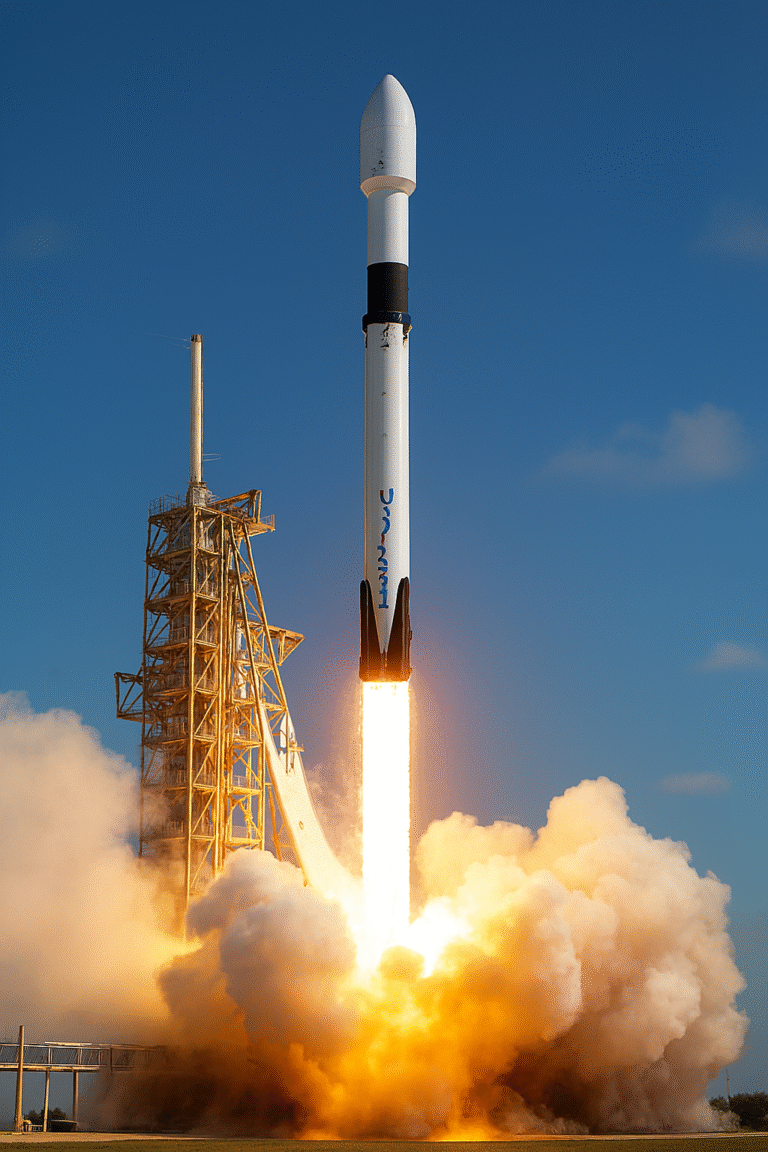
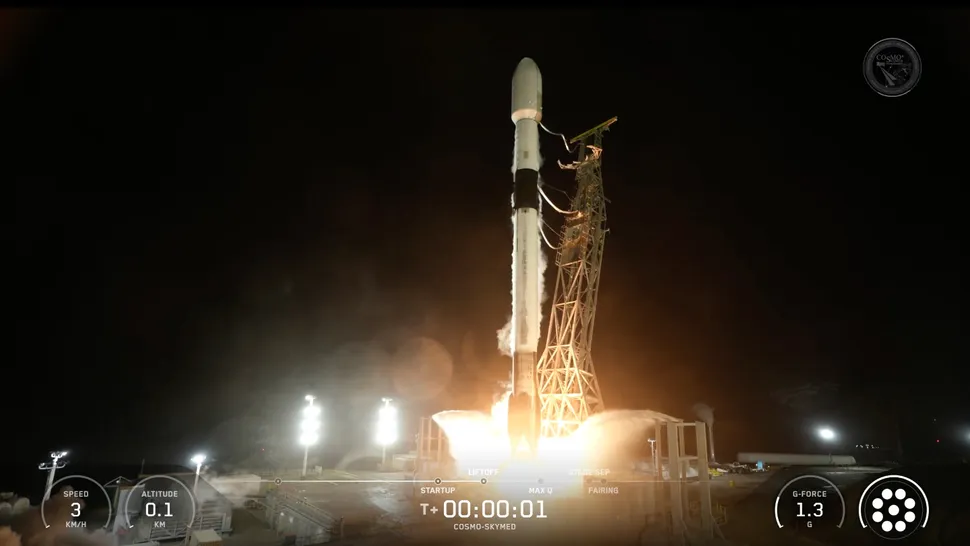
At 9:09 p.m. EST on Jan. 2 (6:09 p.m. local California time; 0209 GMT on Jan. 3), a Falcon 9 rocket roared into the night sky from Vandenberg Space Force Base in California. Less than nine minutes later, the rocket’s first stage returned to the same base, touching down precisely as planned. According to SpaceX, this marked the 21st flight of that particular booster, a milestone that would have sounded unrealistic just a few years ago.
A dramatic start to 2026 from California’s coast
Night launches from Vandenberg have a special kind of magic, with exhaust plumes glowing against the Pacific coastline. But beyond the visuals, this mission carried real global significance. The payload was an Italian Earth-observing satellite, designed to study our planet in remarkable detail. Satellites like this quietly support modern life, helping scientists monitor climate change, manage natural disasters, and improve environmental planning.
This launch also underscored SpaceX’s growing role as a global launch provider. International customers increasingly rely on Falcon 9 not just because it’s powerful, but because it’s predictable and reusable. For countries investing in Earth-observation technology, reliability matters just as much as innovation.
The 21st flight that proves reusability is no longer risky
Perhaps the most striking detail of the mission wasn’t the payload or even the flawless launch. It was the booster itself. This Falcon 9 first stage has now flown 21 times, surviving launch stresses, hypersonic reentries, and multiple landings. Each successful reuse sends a clear message: reusable rockets are no longer experimental—they are operational.
The first stage landed back at Vandenberg roughly 8.5 minutes after liftoff, performing a controlled descent and engine burn before settling upright on the landing zone. What once felt dangerous now looks almost routine, and that routine success is transforming the economics of space.
Lower launch costs ripple outward into everyday life. When launches become cheaper and more frequent, more satellites can be deployed for weather forecasting, GPS accuracy, environmental monitoring, and emergency response. The technology orbiting Earth tonight will help provide data that informs policy decisions and protects communities worldwide.
Why this Italian satellite matters to the world
Earth-observing satellites are not abstract science projects. They directly influence how we understand wildfires, floods, crop health, and urban expansion. Data gathered from orbit helps governments and researchers respond faster to disasters and plan more sustainably for the future.
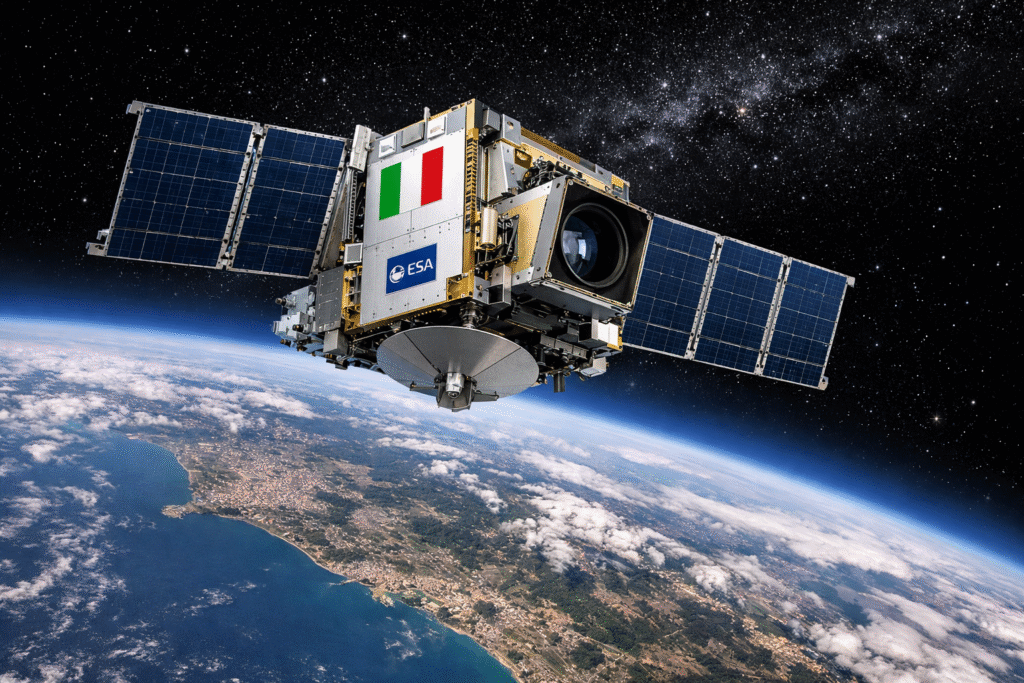
Italy’s satellite joins a growing international fleet designed to observe Earth with increasing precision. Missions like this often collaborate with agencies such as NASA and the European Space Agency, sharing data that benefits the global scientific community. Readers interested in how these satellites work can explore NASA’s Earth science resources, while SpaceX’s official mission pages offer behind-the-scenes insight into how launches like this are executed.
Falcon 9’s quiet dominance continues
While much public attention focuses on SpaceX’s next-generation Starship, Falcon 9 continues to dominate today’s launch market. It has become the dependable workhorse of the space industry, capable of flying frequently, landing reliably, and supporting a wide range of missions from commercial satellites to international science payloads.
Opening 2026 with such a smooth and confident mission sends a strong signal. SpaceX is not slowing down. Instead, it is refining a system that works—and pushing it further. A booster flying for the 21st time is not just a technical achievement; it’s a statement about sustainability, efficiency, and the future of orbital access.
What this means for the future of spaceflight
This launch reinforces a powerful idea: space is becoming more accessible. When rockets are reused this many times, launch schedules can tighten, costs can fall, and innovation can accelerate. That benefits not only space agencies and private companies, but also everyday people who depend on satellite data without even realizing it.
As Falcon 9 continues to rack up flights and landings, it sets expectations for the entire industry. Reliability is no longer a bonus—it’s the baseline.
If a single rocket can launch an international satellite, land safely, and do it all for the 21st time, it’s fair to ask how far this model can go in the years ahead.
If this mission impressed you, share your thoughts in the comments, spread the story with fellow space enthusiasts, and stay tuned as SpaceX continues to redefine what’s possible in 2026 and beyond 🚀
FAQs
When did SpaceX launch its first mission of 2026?
The launch took place on Jan. 2 at 9:09 p.m. EST, which was Jan. 3 at 0209 GMT.
Where did the Falcon 9 rocket launch from?
The rocket lifted off from Vandenberg Space Force Base in California.
What was the payload of this mission?
Falcon 9 carried an Italian Earth-observing satellite into orbit.
Did the Falcon 9 booster land successfully?
Yes, the first stage landed back at Vandenberg about 8.5 minutes after liftoff.
Why is the 21st flight of a booster important?
It highlights the maturity of reusable rocket technology and helps reduce the cost of space access for future missions.