

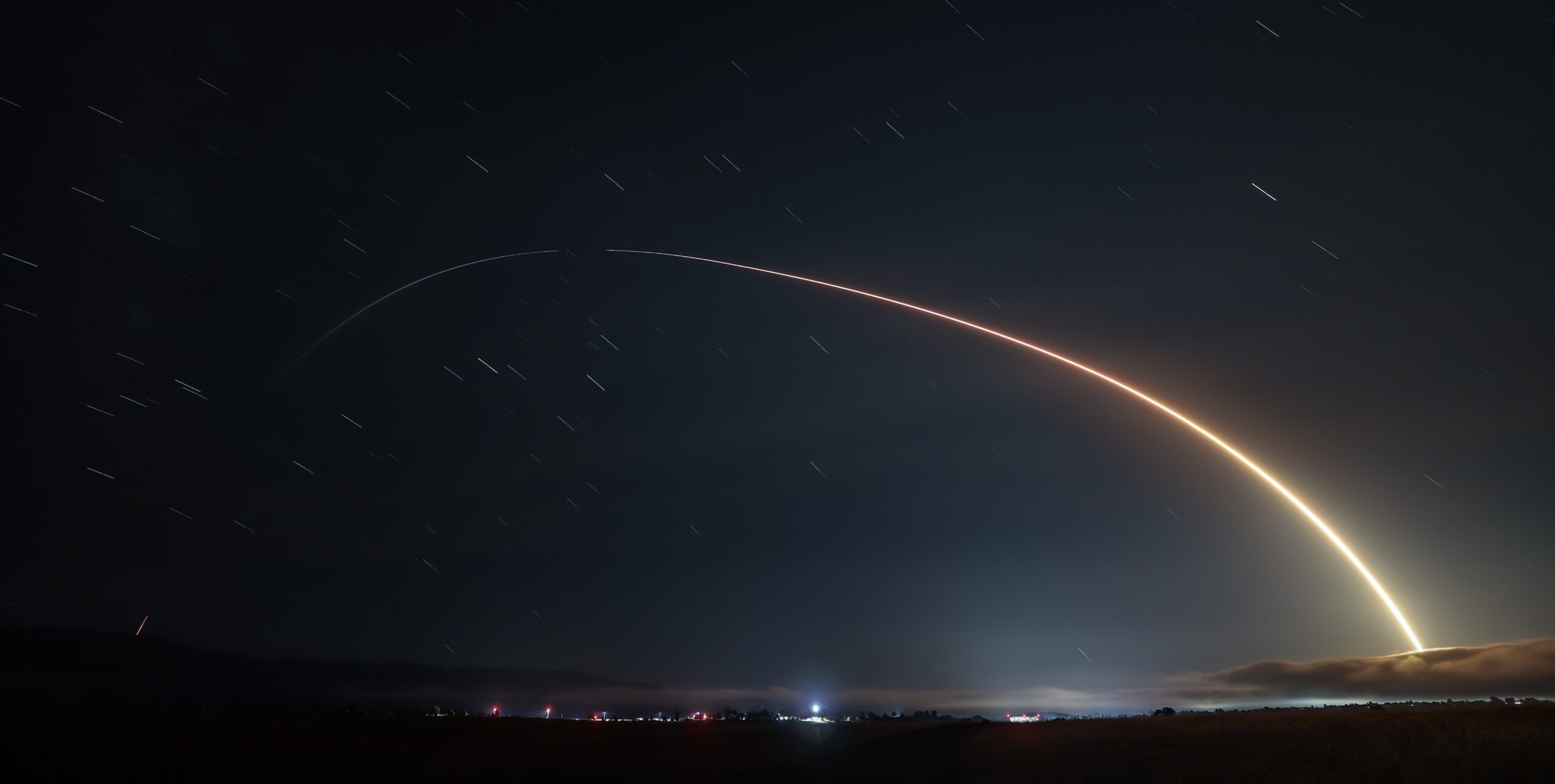
Did you know the skies over California lit up early Thursday morning as SpaceX pushed humanity closer to universal internet access — again?
In a spectacular late-night show, SpaceX launched 24 new Starlink satellites into orbit on Thursday, August 14 (local time: August 13), further expanding its ambitious plan to bring high-speed, low-latency internet to every corner of the globe — from crowded cities to the most isolated rural landscapes.
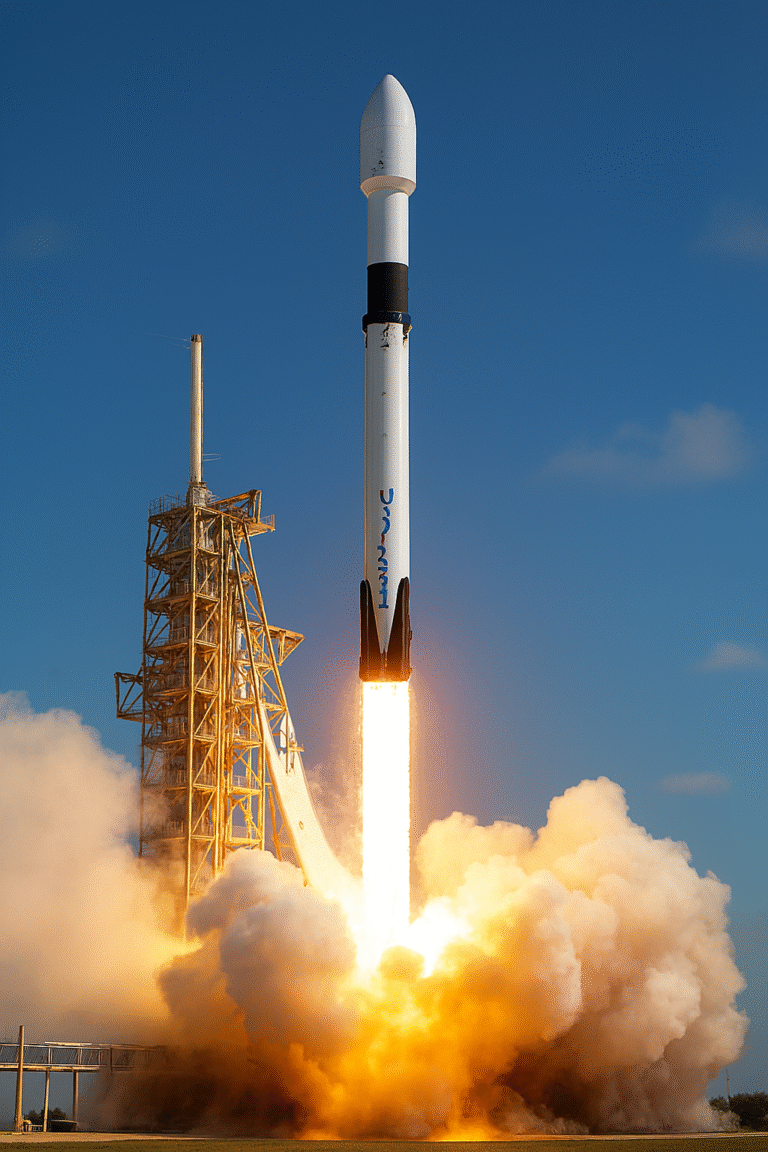
At 1:05 a.m. EDT (10:05 p.m. PDT, Aug. 13), a Falcon 9 rocket roared to life at Space Launch Complex 4 East at Vandenberg Space Force Base in California. The mission, dubbed Starlink Group 17-4, marks another major step in building out the Starlink satellite internet constellation, which now includes more than 6,000 satellites in low Earth orbit (LEO).
🌍 Why This Launch Matters: A Satellite-Powered Internet Revolution
Still wondering why this news should grab your attention?
- 🌐 Nearly half the world still lacks access to stable, high-speed internet.
- 📡 Starlink’s goal is to fix that by using a network of satellites to beam fast, reliable internet to underserved communities.
- 🚀 With every launch, SpaceX gets closer to eliminating the digital divide.
Whether you’re streaming Netflix in the mountains or sending emails from a remote village, Starlink wants to make sure you’re always connected — no cables required.
🚀 Starlink Group 17-4 Mission Breakdown
Launch Details:
- 🕓 Time: 1:05 a.m. EDT (10:05 p.m. PDT, Aug. 13)
- 📍 Location: Vandenberg Space Force Base, California
- 🚀 Rocket: Falcon 9
- 🛰️ Payload: 24 Starlink satellites
- 🕒 Duration: About 1 hour from liftoff to satellite deployment
- 🌌 Destination: Low Earth Orbit (LEO)
Nine minutes after liftoff, the reusable first stage of Falcon 9 touched down smoothly on a drone ship in the Pacific Ocean, marking another win for SpaceX’s sustainability-focused spaceflight model. The second stage continued into orbit, where it successfully deployed the 24 satellites around an hour after launch.
This mission increases the density and global reach of the Starlink constellation — improving performance, stability, and speed for current and future users.
🌐 What Is Starlink, and Why Should You Care?
Starlink is a project of Elon Musk’s SpaceX, built around the idea of connecting the world through space-based internet. Unlike traditional satellite services that orbit far from Earth and suffer from slow speeds and high latency, Starlink operates at a much lower orbit (approx. 550 km) — allowing for:
- ⚡ Fast download speeds (up to 250 Mbps)
- ⏱️ Low latency (as low as 20 ms) — ideal for video calls and gaming
- 🌎 Global coverage, including oceans and deserts
- 🧰 Easy setup with a compact Starlink dish and router
Whether you’re a farmer in Nebraska, a student in rural Africa, or a sailor crossing the Atlantic, Starlink is making reliable internet a reality — no matter where you are.
💬 Real People. Real Impact.
Starlink is already making a difference in lives around the world:
“Starlink just changed the game. I live in a rural area where cable and fiber are a joke. Now I can stream, work remotely, and finally join Zoom calls without dropping,” said one Reddit user after switching to Starlink.
Governments and organizations have also turned to Starlink for emergency connectivity during natural disasters, including hurricanes, earthquakes, and wildfires. In places where traditional infrastructure fails or doesn’t exist, Starlink offers a lifeline.
📈 Why This Launch Improves the Starlink Network
Each satellite launched boosts Starlink’s capability in several key ways:
- ✅ Wider coverage zones
- 🚀 More bandwidth for more users
- 💪 Improved redundancy and uptime
- 🎮 Lower latency for gaming, remote work, and streaming
- 📉 Shorter waitlists in new countries and regions
As SpaceX continues launching new batches nearly every week, Starlink’s performance will only improve — bringing us closer to a world where access to the internet is as universal as electricity.