Why is Thrust Vector Control (TVC) preferred for the Falcon 9 over other control methods?
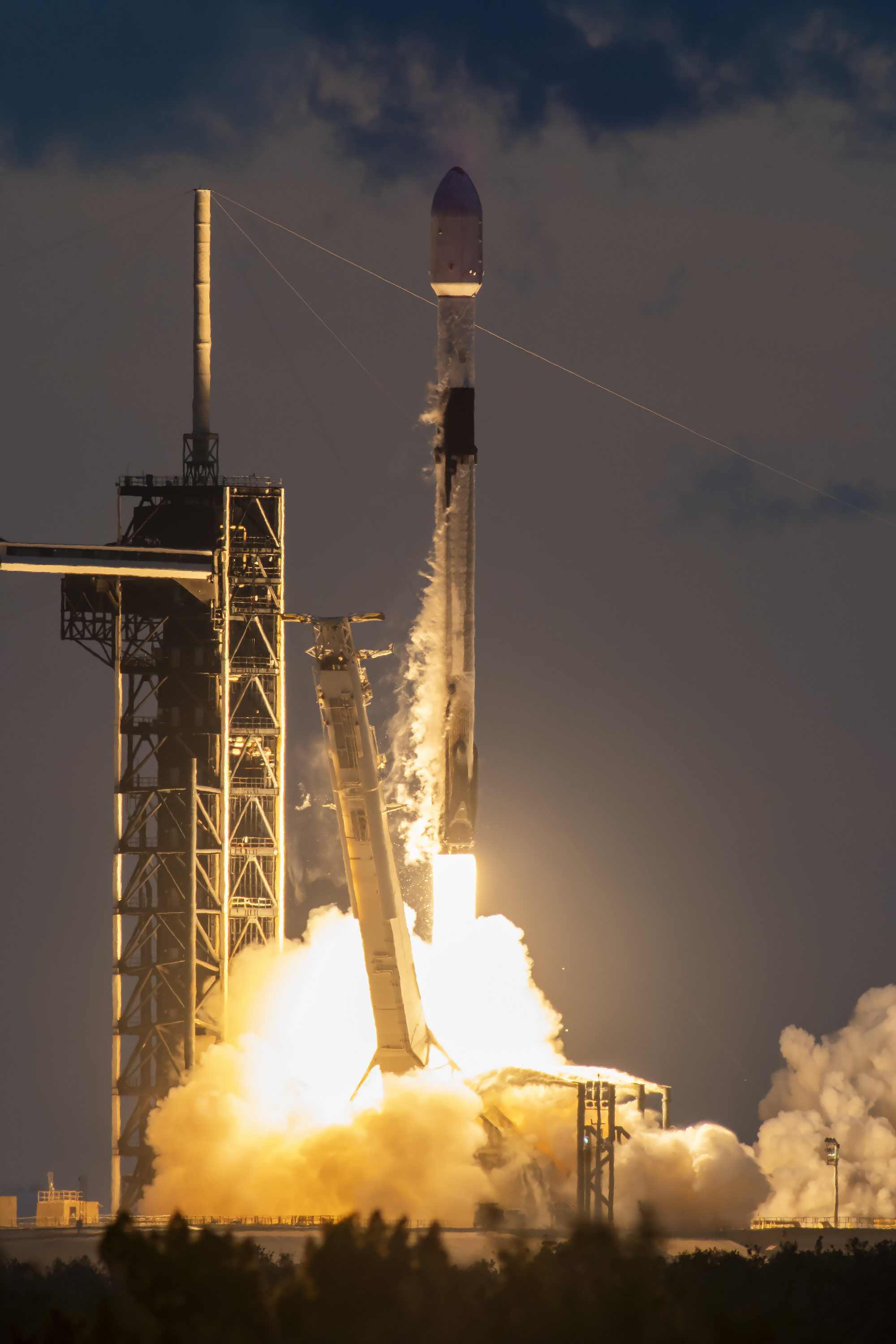
The Power of Thrust Vector Control: Why Falcon 9 Chooses TVC for Precision 🚀
Hello, space lovers! 🌌 Today, we're diving into the fascinating world of rocket control systems, specifically focusing on why SpaceX chose Thrust Vector Control (TVC) for its Falcon 9 rocket. This innovative technology has transformed the way we think about rocket stability, maneuverability, and efficiency. Ready to explore? Let’s go!
Thrust Vector Control works by adjusting the direction of the rocket’s thrust—essentially, tilting the engines to steer the rocket in flight. This method is particularly beneficial during the critical phases of launch and re-entry. For the Falcon 9, which relies on the mighty Merlin engines, TVC allows for rapid adjustments, giving it exceptional responsiveness in real-time. In fact, Falcon 9 can make adjustments nearly 20 times per second, ensuring precise trajectory and course corrections when needed! ⚡
One of the standout advantages of TVC is its effectiveness at various flight stages, ranging from liftoff to orbital insertion. Unlike other control methods, such as reaction control thrusters or aerodynamic surfaces, which rely on moving parts or gas expulsion, TVC directly manipulates the thrust output, providing more immediate and powerful control. This results in a more efficient flight, as the Falcon 9 can maintain optimal angles and orientation without expending unnecessary fuel on secondary thrusters. 🎯
Cost efficiency is crucial in the aerospace industry, and TVC stands out in this category as well. Traditional aerodynamic controls, like fins or canards, add weight and complexity to the rocket's design. In contrast, the streamlined design of the Falcon 9, which integrates TVC into the engines themselves, minimizes extra hardware. This not only reduces costs but also makes the rocket more reliable—less complexity means fewer potential points of failure during a flight. Moreover, with a cost of about $62 million per launch, every efficiency counts! 💰
The adaptability of TVC is another reason it's the preferred method. The Falcon 9 has been engineered for reusability, landing back on Earth after delivering payloads. The precision of TVC plays a crucial role in landing the first stage on drone ships or land pads. This technology allows the rocket to make quick adjustments for a controlled descent, promoting a soft landing—after all, reusability is key to reducing space launch costs! 🚢
Lastly, the track record speaks for itself: SpaceX has successfully executed over 180 missions with Falcon 9, thanks in no small part to the precision offered by TVC. Each successful launch not only demonstrates the technology's reliability but also showcases the potential for future advancements in aerospace engineering. 🌠
In conclusion, Thrust Vector Control is a game-changing technology that combines precision, efficiency, cost-effectiveness, and adaptability. For the Falcon 9, it means unparalleled performance during launch, maneuvering, and landing—all contributing to SpaceX's dominance in the commercial space sector. So the next time you watch a Falcon 9 soar into the heavens, you’ll appreciate the engineering magic behind that smooth ascent! 🚀✨
Thanks for tuning in to learn about the marvel of Thrust Vector Control! Until next time, keep your eyes on the stars!
Image credit: SpaceX. #ThrustVectorControl #RocketScience #Falcon9 #SpaceX #AerospaceEngineering #SpaceExploration