Why is the placement of the propellant tanks critical for the Falcon 9’s stability and balance during launch?
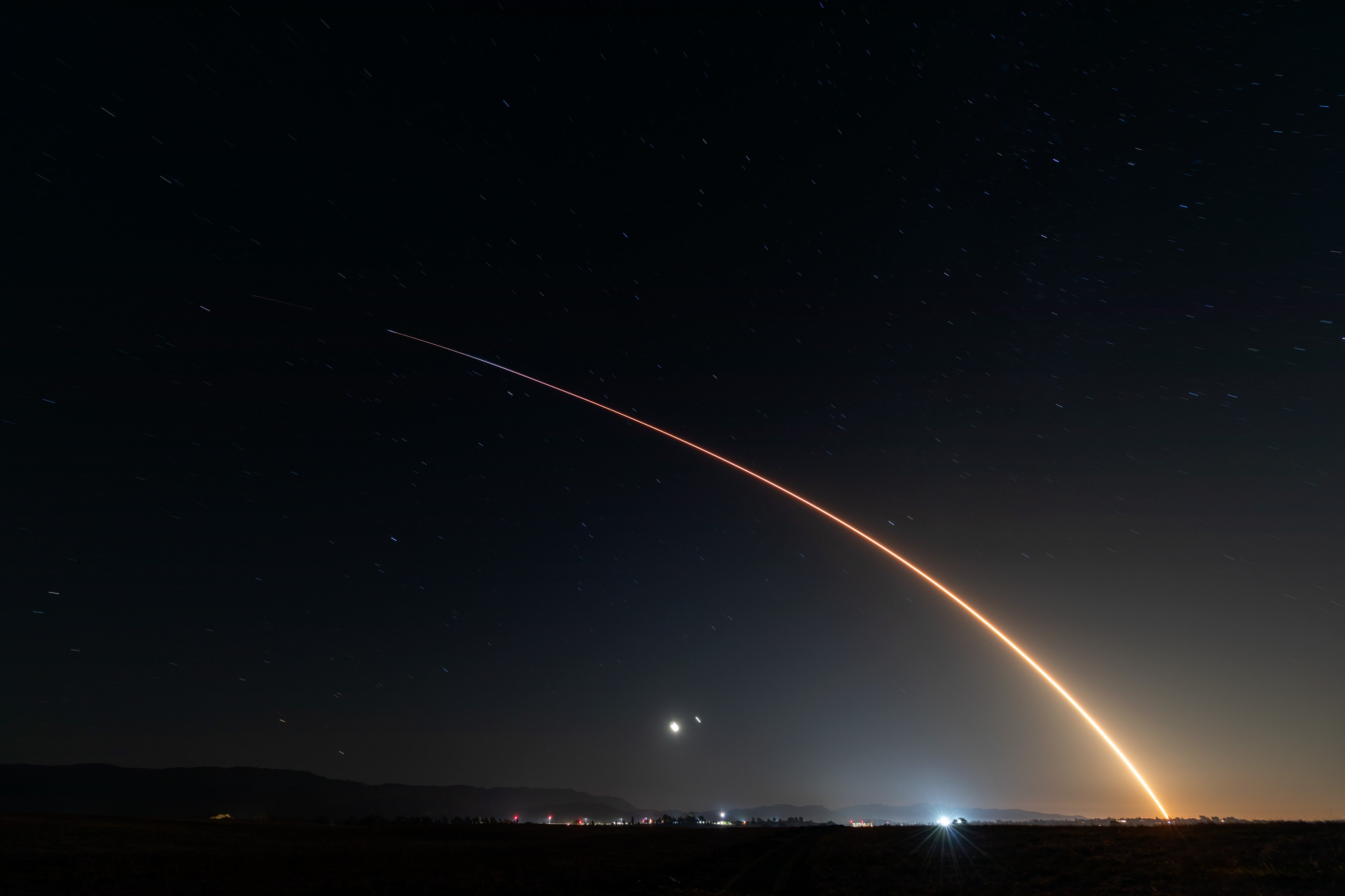
Hello, space aficionados! 🌌 Today, we’re going to explore a pivotal aspect of rocket design that plays a crucial role in the Falcon 9’s performance: the placement of its propellant tanks. Just like a tightrope walker needs to maintain balance, the Falcon 9 has to ensure its stability during launch to reach the stars safely. So, let’s dive into why this configuration matters! 🚀
The Falcon 9 rocket features two separate propellant tanks: one for liquid oxygen (LOX) and another for RP-1, a refined form of kerosene. These tanks are positioned within the rocket’s first stage, specifically designed to optimize the center of gravity and enhance the overall stability of the vehicle during ascent. Pretty interesting, right? 🧐
When the Falcon 9 is on its pad, it stands approximately 70 meters (230 feet) tall, and the weight of the rocket is significant—about 500,000 pounds (227,000 kg) at launch. As the rocket ascends, it burns fuel at a staggering rate of around 2,300 liters (610 gallons) per minute. This rapid consumption means that the distribution of weight changes continuously, making tank placement truly critical for maintaining balance.
The tanks’ strategic placement toward the rocket's base helps to establish a low center of gravity. This is essential because a stable center of gravity allows the rocket to resist tipping movements while ascending. Think of it like a skyscraper—the lower the foundation, the less likely it is to sway in the wind. If the propellant tanks were positioned higher up, it could lead to an unstable rocket, prone to wobbling and potentially veering off course.
Moreover, the Falcon 9 uses a gimballed engine system, which means that its Merlin engines can pivot to help control the rocket's trajectory. The design of the rocket incorporates the propellant tanks in such a way that even when the engines are gimbaled for directional control, the rocket remains balanced and stable. This ingenious configuration allows for more precise navigation, reducing the chances of catastrophic failures during critical flight phases. 🎯
Another essential factor to consider is thrust-to-weight ratio. The Falcon 9’s nine Merlin engines generate up to 1.7 million pounds of thrust at liftoff. To effectively harness this thrust, the tanks must be positioned to optimize the rocket's acceleration and maintain a straight trajectory. If the tanks were mismatched in location or weight distribution, the rocket might struggle to break free from Earth's gravitational grip. 🌍
In summary, the placement of the propellant tanks in the Falcon 9 is not just a matter of engineering aesthetics; it’s a fundamental aspect of the rocket’s design that promotes stability, balance, and precise control during flight. Achieving the right distribution of weight ensures smooth ascents and minimizes the risk of failure, thus enhancing the reliability and safety of the mission.
Keep dreaming big, and let’s continue to explore the cosmos together! 🌠 #SpaceX #Falcon9 #RocketDesign #AerospaceEngineering #StabilityInSpace
Image credit: SpaceX