Why is the Falcon 9’s pneumatic actuator system critical for its engine gimbals?
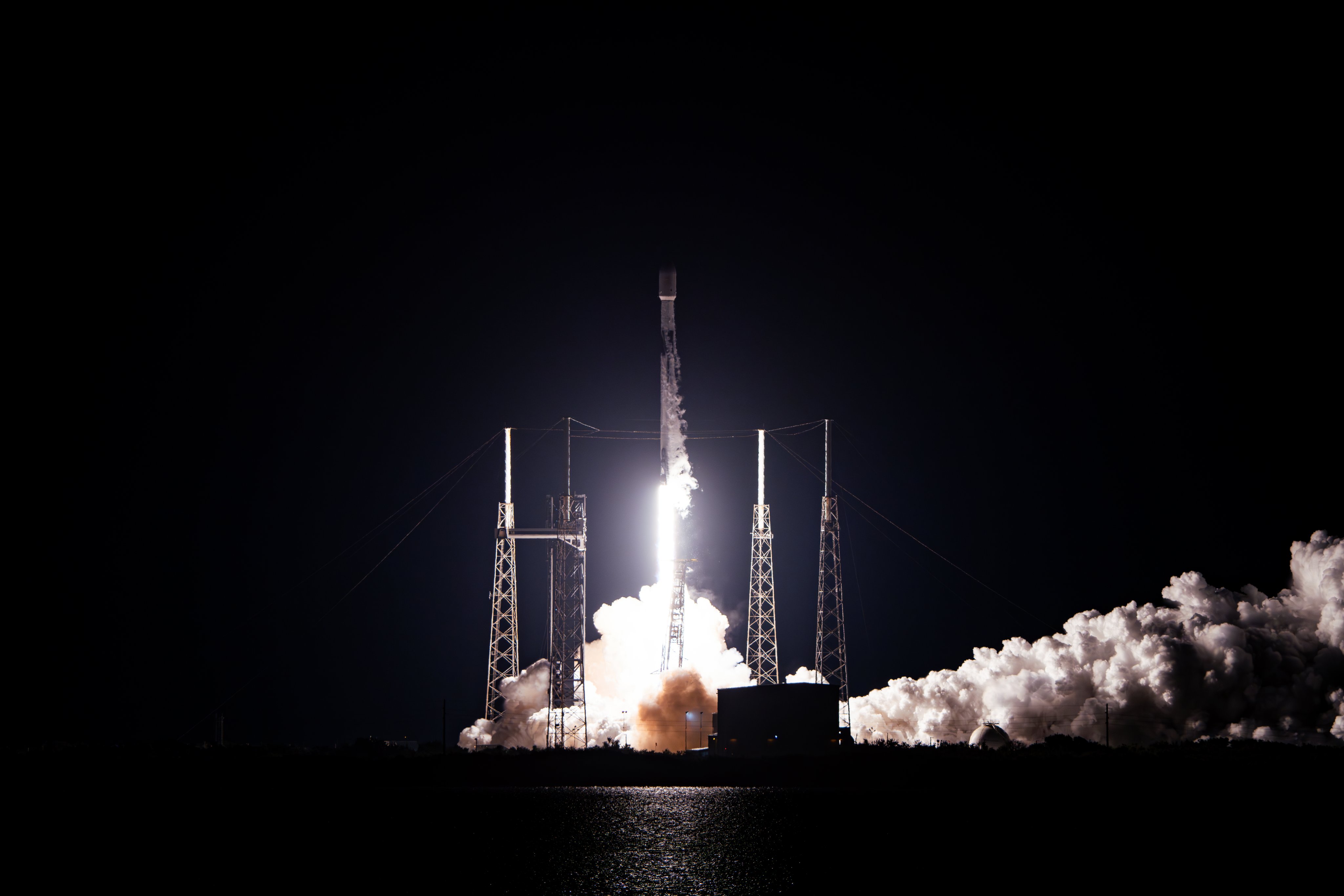
Why is the Falcon 9’s Pneumatic Actuator System Critical for its Engine Gimbals? 🚀
Hello, space enthusiasts! 🌌 Today, we’re taking a close look at a vital component of the Falcon 9 rocket: its pneumatic actuator system. This technology is crucial for the rocket’s engine gimbals, and understanding how it works can help us appreciate just how sophisticated modern rocket engineering has become! 🤓✨
First off, let’s clarify what we mean by engine gimbals. These are the mechanisms that allow the rocket’s engines, specifically the Merlin engines used on the Falcon 9, to pivot or tilt. This movement is essential for steering the rocket during flight. Each engine can swivel up to 8 degrees in various directions, providing the necessary thrust vector control to navigate the complexities of the atmosphere and beyond. 🎯
But what makes the movement of these gimbals possible? Enter the pneumatic actuator system! 💨 This system relies on compressed gases to operate the gimbals, allowing for swift and precise adjustments in the engine’s orientation. The use of pneumatic actuators presents several advantages over other actuator types, such as electric or hydraulic systems.
One of the primary benefits of using pneumatic actuators is their rapid response time. In the high-energy environment of a rocket launch, every millisecond counts! The Falcon 9 can experience forces over 2.5 G (25 m/s²) during ascent, and the ability to make quick adjustments is critical to maintaining stability and achieving the correct trajectory. 🚀✨
Moreover, the pneumatic system is notably lighter than hydraulic counterparts. Weight savings are crucial in aerospace applications, where minimizing mass can significantly improve performance. With the Falcon 9 designed to lift payloads of up to 22,800 kilograms (50,265 lbs) to Low Earth Orbit (LEO), every little reduction in weight can help increase payload capacity or improve fuel efficiency. 🌍📦
A critical component of the pneumatic system is the pressure regulation. By finely controlling the pressure of the compressed gas used to power the actuators, engineers can ensure consistent and precise movements of the gimbals. This precision is vital, as even tiny adjustments can have a significant impact on the rocket's flight path! The system is designed to operate under extreme conditions, making it reliable even during the most challenging missions.
Lastly, one cannot overlook the redundancy built into the system. The Falcon 9 is designed with safety as a top priority. In case of a failure in one of the actuators, the system can leverage backup components to ensure that the gimbals remain operational, thereby enhancing the reliability of the rocket. With over 150 successful missions to date, this level of reliability is what keeps confidence high in space exploration! 🚀🛡️
In conclusion, the Falcon 9's pneumatic actuator system is not just a technical feature; it’s a critical element that contributes to the rocket's overall success. From rapid response times to weight efficiency and robust safety measures, this system enhances the Falcon 9's ability to navigate complex trajectories and achieve its goals in space. Keep dreaming big and looking to the stars! 🌠
#Falcon9 #PneumaticActuators #RocketScience #SpaceX #EngineeringExcellence #SpaceExploration
Image credit: SpaceX