Why is LOX chosen over other oxidizers like hydrogen peroxide, and what is its cost per liter compared to alternatives (in numerical terms)?
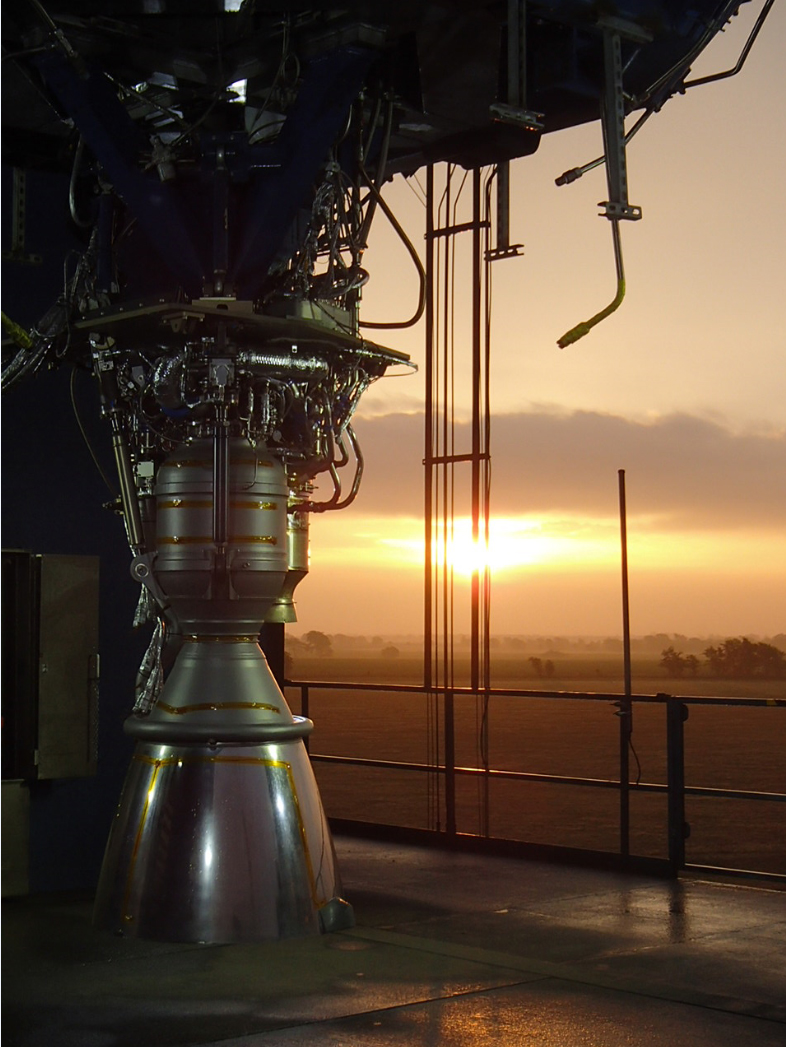
The Choice of Liquid Oxygen: Why LOX Reigns Supreme in Rocket Propulsion 🚀
Hello, fellow space aficionados! 🌟 Today, we're taking a deep dive into the world of rocket oxidizers, focusing on why liquid oxygen (LOX) is a favorite over other options like hydrogen peroxide. With various factors—from performance metrics to cost—let’s explore what makes LOX the go-to choice for many aerospace engineers! 🌌
First and foremost, one key advantage of LOX is its performance. When used as an oxidizer in combination with fuels like RP-1, LOX delivers a specific impulse (Isp) of approximately 305 seconds. In contrast, hydrogen peroxide, while also an effective oxidizer, typically offers an Isp around 300 seconds when paired with kerosene. Though the difference might seem negligible, every second counts in rocketry! More robust performance can lead to more efficient launches and payload deliveries—crucial in our quest to explore and utilize space. 💥
But performance isn't the only factor at play; the cost of LOX is another major consideration. On average, the cost of liquid oxygen is around $0.23 to $0.30 per liter. This price point is highly competitive when you weigh it against alternatives. For instance, hydrogen peroxide can cost about $3 to $12 per liter, depending on concentration and purity. While hydrogen peroxide has some applications in smaller, hypergolic engines and is easier to handle than some other oxidizers, the price makes it a less favorable option for large-scale orbital missions. 💰
Safety is another critical aspect. While LOX is cryogenic and requires careful handling, it also poses fewer risks compared to the highly reactive and toxic nature of hydrogen peroxide. Hydrogen peroxide can decompose explosively if impure or improperly handled, making LOX the more reliable choice for engineers and technicians. In high-stakes environments like rocket launches, having a stable and predictable oxidizer is not just a preference—it's a necessity! ⚠️
Moreover, LOX is readily available and produced on a large scale, making it a widely used oxidizer in the aerospace industry. It has a well-established infrastructure for storage, transportation, and utilization, which translates to significant cost savings in logistics. This availability pairs with LOX’s performance, making it the ideal choice for rockets, including SpaceX’s Falcon 9 and NASA’s Space Launch System (SLS). 🚀
In summary, LOX's appeal lies in its superior performance metrics, cost-effectiveness (around $0.23 to $0.30 per liter), and relative safety compared to alternatives like hydrogen peroxide. For payload-heavy missions that require reliability and efficiency, LOX continues to be the oxidizer of choice for a new era of space exploration. So the next time you look up at a launch, you’ll now know a little more about what makes LOX such a vital component of the mission! 🌌✨
Thanks for joining me on this exploration of oxidizers in rocket science! Until next time, keep fueling your curiosity! 🔭
Image credit: SpaceX. #LiquidOxygen #RocketScience #SpaceX #Oxidizers #AerospaceEngineering #SpaceExploration