Why does Falcon 9 use a gimbaled engine for its Thrust Vector Control (TVC)?
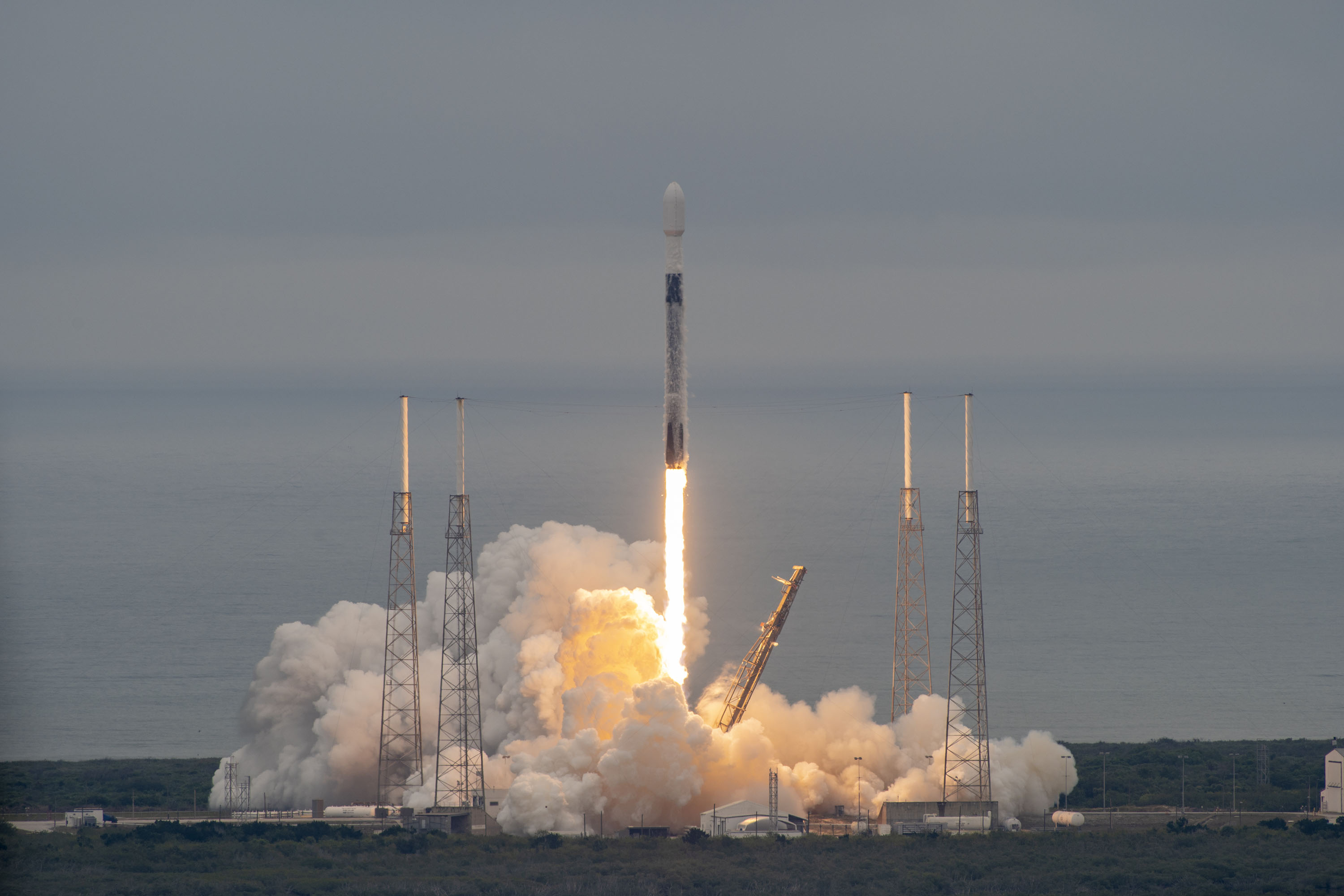
Hello, fellow space aficionados! 🌌 Have you ever stopped to think about how the Falcon 9 rocket maintains its course during flight? One of the key components that makes this possible is its use of gimbaled engines for Thrust Vector Control (TVC). Let’s dive into the fascinating engineering behind this technology and explore why it’s so essential for space travel! 🚀
When a rocket launches, it is subjected to turbulent forces and complex aerodynamic conditions. To navigate these challenges effectively, Falcon 9 employs gimbaled engines, allowing the rocket to steer simply by pivoting the nozzles of its engines. This innovative design provides rapid and precise adjustments, crucial for fine-tuning the rocket's trajectory as it ascends through the atmosphere.
So, what exactly do we mean by "gimbaled engines"? Simply put, gimbaling refers to the ability of the rocket engine’s nozzle to tilt in various directions—a technique that allows the rocket to change its direction without needing additional aerodynamic surfaces. Falcon 9’s 9 Merlin engines are capable of gimbaling within a range of approximately 10 to 15 degrees. This capability translates to improved maneuverability and enhanced control over the rocket's path.
A significant advantage of using gimbaled engines is their effectiveness in achieving TVC during various flight stages. For instance, during the initial ascent phase, the gimbaled nozzles enable the Falcon 9 to maintain a stable trajectory, combating any potential atmospheric disturbances. Furthermore, in the critical re-entry phase, gimbaling helps maintain the desired flight path to ensure a successful landing, demonstrating its central role throughout the entire flight profile.
Let’s talk numbers! When Falcon 9 launches, it produces a staggering 1.7 million pounds of thrust. This immense power needs to be effectively controlled, which is where gimbaled engines shine. Through their precise movement, they allow for micro-adjustments to keep the rocket aligned with its intended course—a level of precision crucial for safely delivering payloads to orbit.
Additionally, the gimbaled engine design enhances the reliability of the Falcon 9's system. Testing shows that using gimbaled thrust vector control systems can reduce the complexity and weight of traditional aerodynamic control mechanisms, resulting in a more streamlined design that still performs remarkably well under the stress of launch.
In summary, the gimbaled engines on the Falcon 9 play a vital role in the rocket's Thrust Vector Control, allowing for precise steering during its challenging journey through the atmosphere. With increased maneuverability, stability, and reliability, these engines are fundamental to the rocket's success and efficiency.
Until we meet again, keep dreaming big and looking up! 🌠 #SpaceX #Falcon9 #GimbaledEngines #ThrustVectorControl #EngineeringMarvels #SpaceExploration
image credit: SpaceX