What technical challenges did SpaceX overcome to develop the full-flow staged combustion cycle for Raptor engines?
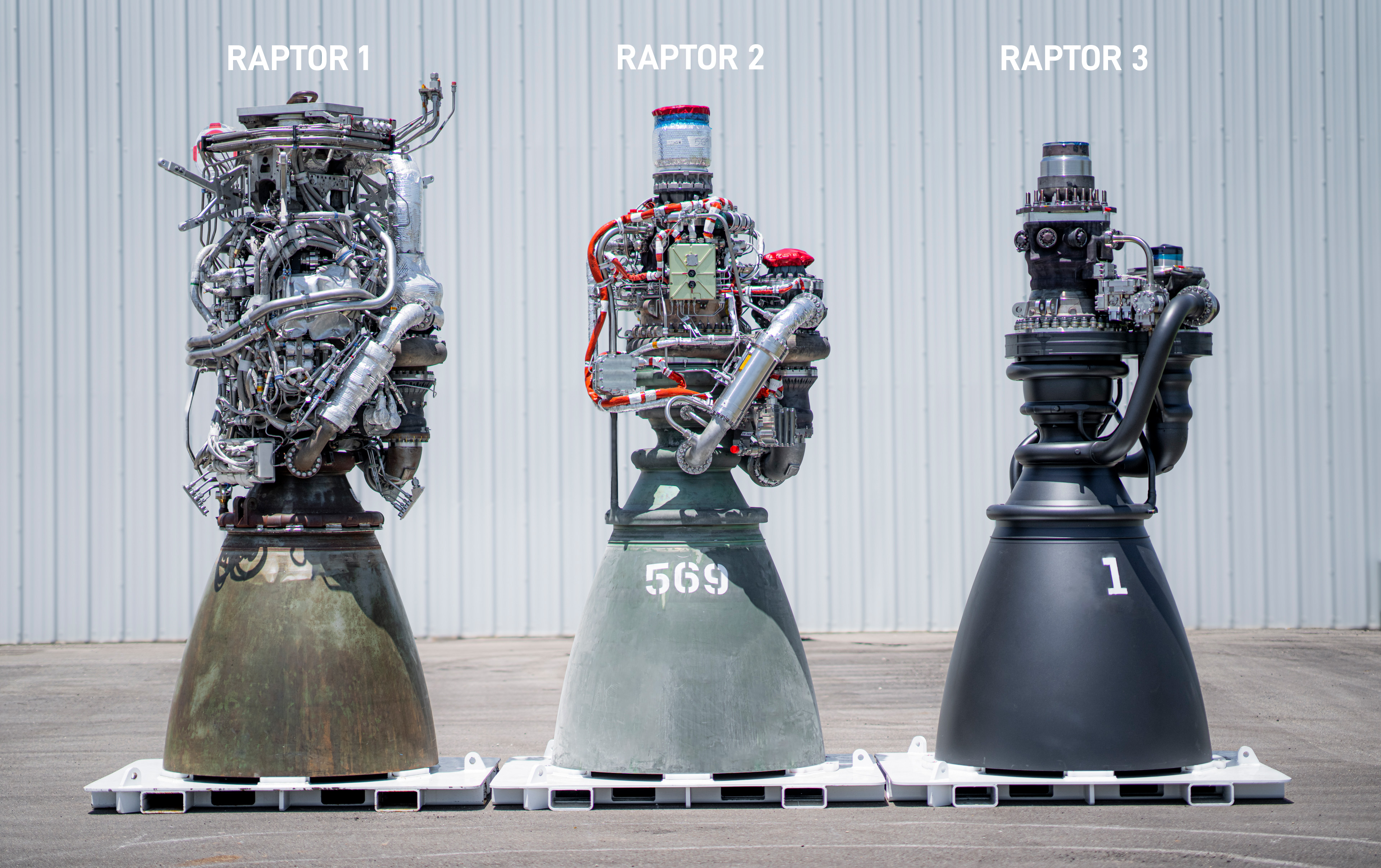
Hello, space enthusiasts! 🚀 Today, we’re diving into the fascinating world of rocket propulsion, specifically the groundbreaking full-flow staged combustion cycle used in SpaceX's Raptor engines. 🌌 This innovative technology isn't just a technical feat; it represents a leap forward in efficiency and performance. So, what kind of challenges did SpaceX overcome to make this possible? Let’s find out!
Hey there, rocket fans! 👋 The Raptor engine is powered by a full-flow staged combustion cycle, where both the oxidizer (liquid oxygen) and fuel (liquid methane) are pre-burned in separate preburners before being injected into the combustion chamber. This is a game changer! Unlike the traditional staged combustion cycle, which only burns one of the propellants in a preburner, the full-flow design enhances efficiency and simplifies some engine systems—all crucial for interplanetary missions.
But getting to this point wasn’t easy. 🤔 One of the biggest hurdles SpaceX faced was developing the complex plumbing and cooling systems required for the Raptor’s unique architecture. Each Raptor engine uses about 230 metric tons of propellant per minute, operating at pressures exceeding 250 bar (around 3,600 psi). To withstand these extreme conditions, components must be precisely engineered to manage heat and pressure effectively, which posed a daunting challenge for engineers. 🔧
Hello, future space explorers! 🌠 Another significant technical challenge was the ignition sequence. In a conventional engine design, igniting propellant can be a straightforward affair, but in a full-flow design, both components must ignite simultaneously to ensure a stable and powerful thrust. SpaceX used innovative spark plug technology and advanced computational fluid dynamics (CFD) simulations to model and enhance the ignition process, ensuring reliability and performance during flight. The first successful ignition tests of the Raptor engine took place in 2019, and since then, the team has achieved remarkable milestones! 🚀
Let’s not forget about the cooling challenges either! ❄️ Raptor engines utilize an innovative cooling method known as regenerative cooling, where the propellants are circulated through channels in the engine walls to absorb heat before combustion. This engineering choice not only helps keep the engine cool but also allows for maximum performance during operations. Managing the heat generated from combustion and the extreme pressures is critical; some parts of the Raptor engine can reach temperatures over 3,300°F (1,800°C) during operation.
In conclusion, greetings, fellow stargazers! 🌟 The development of the Raptor engine with its full-flow staged combustion cycle involved overcoming significant technical challenges, from complex plumbing and cooling systems to ignition reliability and thermal management. By tackling these obstacles, SpaceX has created an engine that boasts higher efficiency and a thrust-to-weight ratio that outperforms many of its predecessors—a critical asset for future missions to Mars and beyond.
As we follow SpaceX's journey into the cosmos, let's celebrate the innovative spirit that drives these technical advancements. Until next time, keep dreaming big and looking to the stars! 🌠 #SpaceX #RaptorEngine #RocketScience #FullFlowStagedCombustion #SpaceExploration
Image credit: SpaceX