What structural considerations allow Falcon Heavy to support dual payloads during high-energy missions?
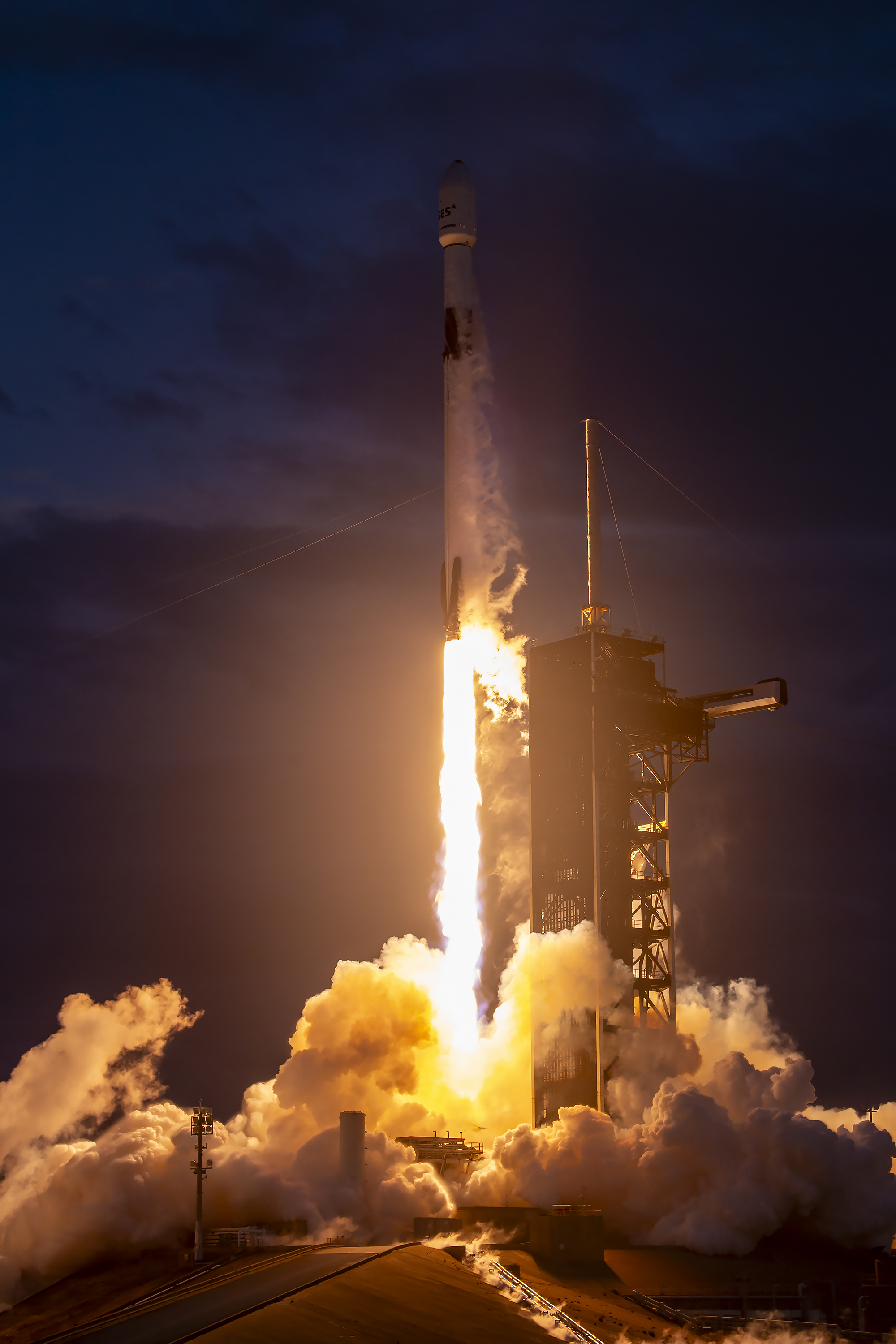
Lifting Power: Structural Considerations of Falcon Heavy for Dual Payloads 🚀
Hey there, space enthusiasts! 🌌 Today, let’s dive into the fascinating structural engineering that makes the Falcon Heavy capable of supporting dual payloads during high-energy missions. Given its reputation as one of the most powerful rockets in operation, Falcon Heavy combines innovative design with robust performance to tackle a variety of ambitious missions.
Falcon Heavy, launched by SpaceX, boasts an impressive lift capacity of up to 63,800 kg (140,660 lbs) to low Earth orbit (LEO), making it a preferred choice for dual payload missions. But how does it achieve this? The answer lies in its unique structural framework, which allows it to efficiently deliver and stabilize multiple payloads during intense launch conditions. 📦🌍
At the heart of Falcon Heavy’s design are three Falcon 9 first-stage cores, each equipped with multiple Merlin engines. These cores work in unison to provide nearly 5 million pounds of thrust at liftoff. 🏋️♂️ This immense power is critical for launching heavy payloads into high-energy orbits, but structural integrity is paramount to ensure that the rocket can handle the stresses involved in high-performance flights.
One of the key considerations enabling dual payloads is the strong interstage structure that connects the cores. This structure is meticulously designed to distribute loads evenly during ascent and within the entire flight profile. For instance, during liftoff, the rockets experience thrust and aerodynamic forces that can exceed 3g’s (three times the force of gravity)! ⚡️ Therefore, materials like carbon fiber and advanced aluminum alloys are used to provide both lightweight properties and high strength, ensuring durability without excessive weight.
Additionally, the payload fairings—a vital part of the launch vehicle—are tailored to accommodate dual payloads without compromising safety or performance. Falcon Heavy features an advanced payload integration system that allows two distinct payloads to be housed securely within its fairing. Each payload can vary significantly in weight and dimensions, and the fairing’s design maintains a streamlined profile to reduce drag while ensuring optimal airflow.
Moreover, during various stages of flight, the Falcon Heavy's avionics system conducts real-time monitoring and adjustments based on the weights and positions of each payload. This ensures that any shift in center of gravity is accounted for, which can be crucial during high-power maneuvers. As payloads are jettisoned—such as in successful missions where multiple satellites are deployed into different orbits—the rocket remains balanced and structurally sound.
With its unprecedented ability to lift two heavy payloads—like the successful 2018 deployment of the Tesla Roadster and a communications satellite—Falcon Heavy transforms the landscape of high-energy missions. Each journey not only highlights SpaceX's engineering prowess but fosters continued growth in the space economy. 🚀✨
Thanks for joining me on this structural exploration of Falcon Heavy! Keep dreaming big and looking toward the stars. #FalconHeavy #SpaceX #AerospaceEngineering #LaunchCapabilities
image credit: SpaceX