What role does SpaceX’s in-house software play in automating Starship’s landing sequences?
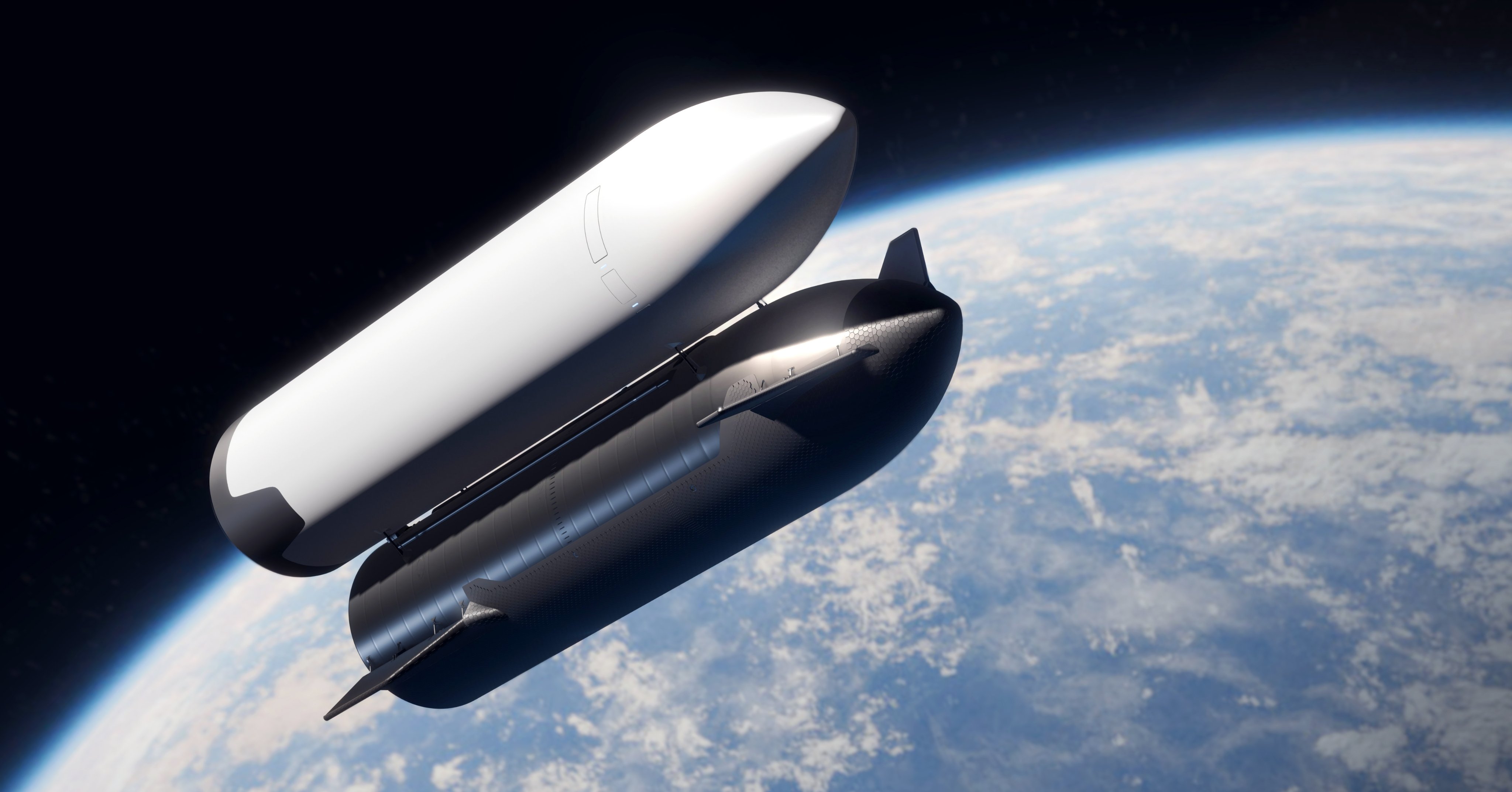
Hello, Space Explorers! 🌌 Today, we’re venturing into the digital world that underpins SpaceX’s remarkable achievements: the in-house software that automates Starship's landing sequences. This technology not only showcases SpaceX's engineering prowess but also revolutionizes the way we approach landing spacecraft on Earth and beyond!
The Heart of Automation in Starship
SpaceX has developed a sophisticated suite of in-house software systems to manage the intricate processes of launching, flying, and landing the Starship spacecraft. This software is pivotal during the landing sequence, where precision and timing must align perfectly to ensure a successful touchdown. With Starship aiming for future missions to the Moon, Mars, and beyond, having a reliable and efficient landing process is essential! 🚀
How Automation Works: The Critical Landing Sequence
During the descent phase, Starship travels at incredible speeds, reentering the Earth’s atmosphere at approximately 20,000 mph. Upon nearing the designated landing zone, the in-house software brings the craft into a controlled descent. The automation system calculates variables such as altitude, velocity, and trajectory in real-time, making thousands of adjustments per second. With an onboard computer capable of processing data at lightning speed, Starship can respond rapidly to changing conditions in its environment. ⚡
One of the standout features of this software is its ability to simulate various landing conditions. For instance, SpaceX's software can adapt to different terrains, whether it’s landing on solid ground or on a specific platform at sea, like the drone ships used in previous Falcon 9 missions. By utilizing advanced algorithms and historical landing data from prior test flights, the software meticulously adjusts the landing gear deployment and thruster firing to ensure stability during touchdown.
Real-Time Data and Sensor Integration
The software also integrates data from numerous onboard sensors, including accelerometers, gyroscopes, and barometers. These sensors help to monitor Starship's orientation, speed, and altitude, providing the software with essential feedback to adjust the landing trajectory. Using this data, the automated landing system constantly optimizes the burn profile for the Raptor engines, ensuring the spacecraft slows down sufficiently for a gentle landing. This is vital as the Raptor engines can produce up to 230 metric tons of thrust! 🔥
The Benefits of Automation: Safety First!
The automation of the landing sequences greatly enhances safety. Humans, while capable, cannot react as swiftly or as comprehensively as powerful algorithms can. By employing in-house software, SpaceX minimizes human error, ensuring that the landing process is as smooth and reliable as possible. This reliability is essential for future missions that will carry humans and valuable payloads to destinations like Mars or the Moon. 🌍
In Conclusion: A Pioneering Step in Space Travel
To wrap it up, SpaceX’s in-house software plays a monumental role in automating Starship's landing sequences. By leveraging real-time data, advanced algorithms, and a robust sensor suite, the company is paving the way for safer and more efficient space travel. With SpaceX preparing for ambitious interplanetary missions, there’s no telling how this technology will continue to evolve!
Thank you for joining me on this exploration of SpaceX’s technological advancements! Until next time, keep looking up at the stars! ✨
image credit: SpaceX