What role does real-time data telemetry play in detecting and correcting flight anomalies on Falcon 9?
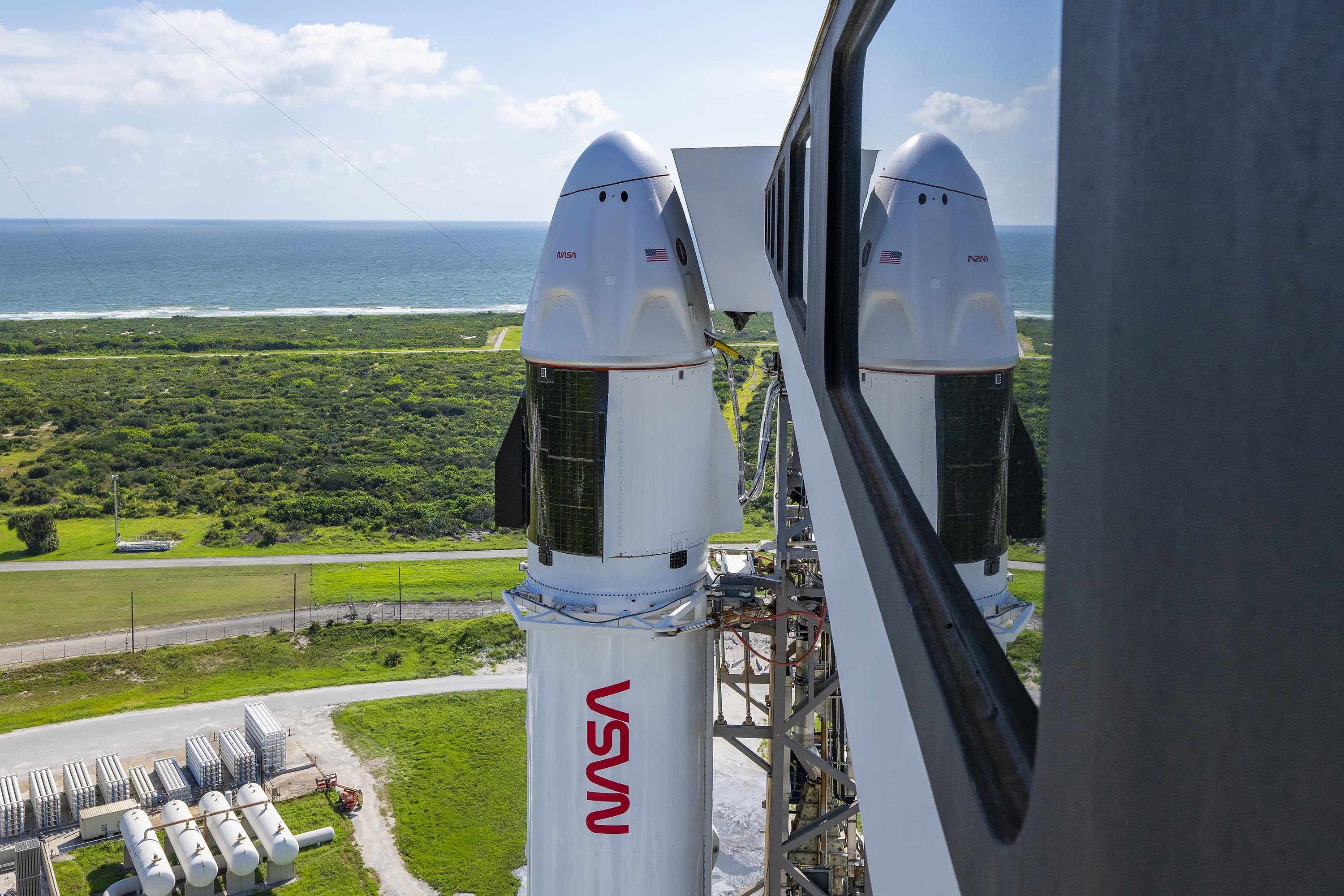
Hey there, Space Aficionados! 🌌
In the ever-evolving world of space exploration, accuracy is paramount. SpaceX's Falcon 9 rocket, which has made over 200 flights since its maiden launch in 2010, relies heavily on real-time data telemetry to maintain that accuracy and ensure mission success. But what exactly does this telemetry do when it comes to detecting and correcting flight anomalies? Let’s lift off into the details! 🚀
Understanding Real-Time Data Telemetry 📡
Real-time telemetry refers to the automatic measurement and transmission of data from the rocket to ground control during flight. Falcon 9 is equipped with numerous sensors that monitor its systems, from engine performance to structural integrity. During a typical launch, telemetry data is transmitted at a staggering rate of about 100 readings per second! This data allows engineers to get a granular view of the rocket's health and performance, enabling them to respond quickly to any unexpected issues.
Anomaly Detection ⚠️
With its rocket engines producing an impressive 1.7 million pounds of thrust, even the slightest anomaly can have significant repercussions. The sensors continuously collect data on various parameters, such as temperature, pressure, and vibration. If any readings deviate from predefined thresholds, the system instantly alerts engineers at SpaceX’s mission control. For example, if a temperature reading from an engine exceeds safe limits, the telemetry system can flag it for immediate review. This rapid detection is crucial, as some issues could escalate into catastrophic failures if left unaddressed.
Automated Flight Corrections 🤖
One of the most remarkable aspects of Falcon 9 is its ability to make autonomous flight corrections in response to telemetry data. For instance, if the rocket's trajectory is misaligned due to an anomaly, the onboard guidance computer can automatically adjust engine thrust or even the angle of the rocket’s fins to correct its path. This capability is crucial as it allows the rocket to adjust within milliseconds, ensuring that it remains on course without needing input from ground control during critical phases of the flight.
Post-Flight Analysis and Iteration 🔍
Telemetric data isn’t just valuable during flight; it plays a vital role in ensuring future missions are even more successful. After each launch, SpaceX engineers analyze the collected data to identify trends and anomalies, which can inform improvements in design and operations. For example, data from past launches has directly contributed to modifications in the rocket's systems, such as enhancing engine performance and reliability, which is evidenced by Falcon 9 achieving a more than 98% success rate!
Enhancing Flight Safety 🛡️
At the heart of Falcon 9's operational success is a commitment to safety and reliability. Real-time telemetry allows for continuous monitoring and immediate responses, meaning that even as the rocket ventures into the unknown, it can be safeguarded against many potential failures. This is particularly vital for crewed missions, where ensuring astronaut safety is the highest priority.
In Conclusion 🎉
In a realm where even the smallest oversight can lead to failure, real-time data telemetry plays an indispensable role in the operations of the Falcon 9 rocket. By enabling swift anomaly detection, facilitating automated corrections, and enhancing post-flight analysis, SpaceX is pioneering a new standard in aerospace safety and performance. As we look to the stars, it's clear that data is paving the way for a future filled with exploration and discovery.
Keep dreaming big, and as always, stay curious! ✨🌠
Image Credit: SpaceX