What role does Falcon 9’s shock absorber system play in protecting payloads during high-g deceleration?
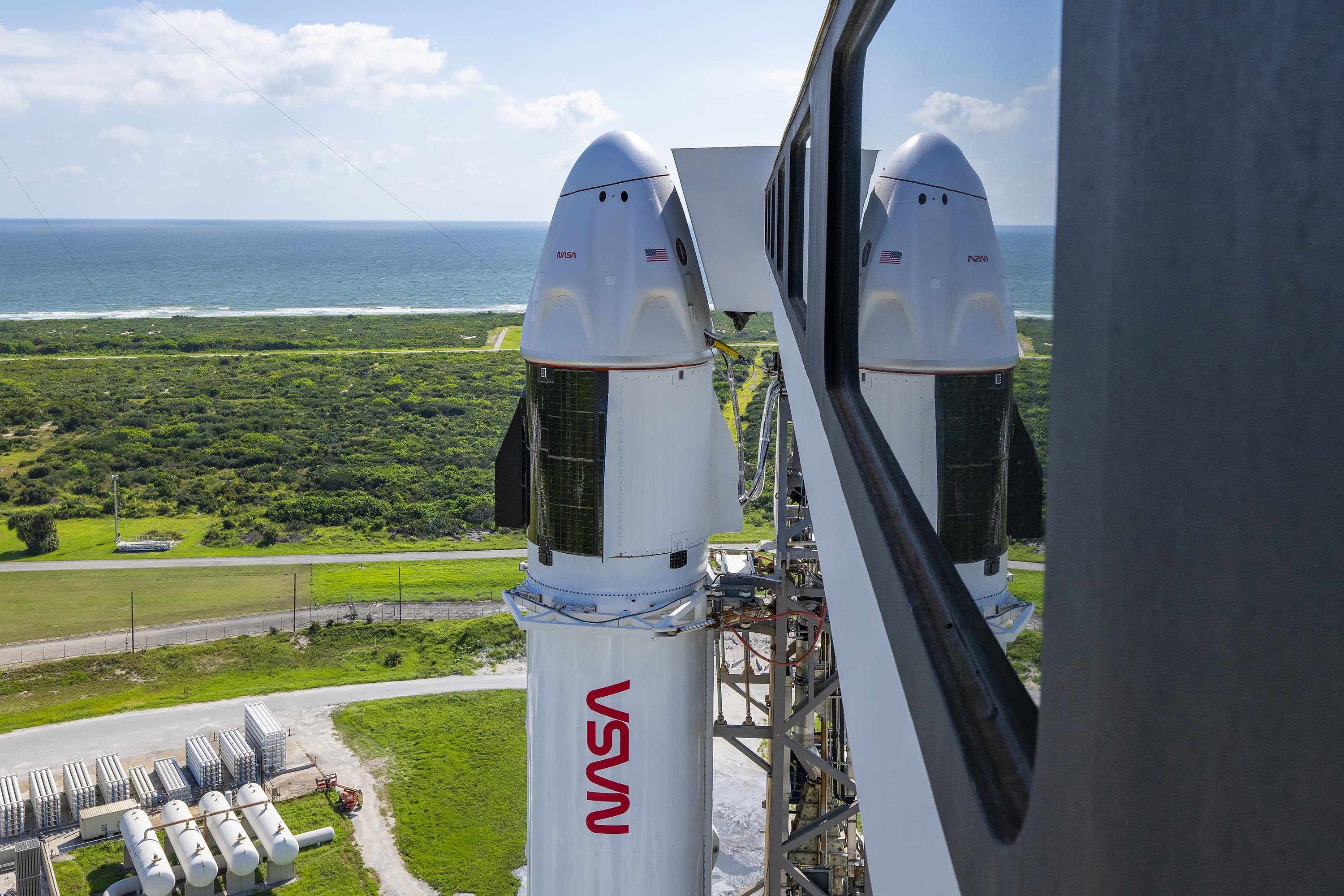
The Essential Role of Falcon 9’s Shock Absorber System in Payload Protection 🚀🔧
Hey there, space junkies! 🌌 Ever wondered what happens to those valuable payloads aboard SpaceX’s Falcon 9 as they experience the intense forces of launch and reentry? One unsung hero in this journey is the shock absorber system, meticulously designed to protect delicate cargo during high-g deceleration. Let’s explore how this crucial system works and why it’s essential for successful missions! 🛡️✨
To fully appreciate the significance of the shock absorber system, we first need to understand what Falcon 9 goes through during launch and landing. When the rocket lifts off, it experiences incredible forces, reaching speeds of over 15,000 mph (about 24,000 km/h) as it ascends. At this point, payloads are subjected to high g-forces, often exceeding 5 g (five times the force of gravity). This environment can be tough on sensitive equipment like satellites, scientific instruments, or even crewed capsules. Damaging vibrations could impair functionality or, in the worst-case scenario, render the payload useless! 😱💔
Enter Falcon 9’s advanced shock absorber system! This mechanism primarily consists of sophisticated dampers and spring elements strategically placed throughout the payload fairing. Designed to absorb vibrations and impacts, these dampers mitigate the effects of rapid deceleration, ensuring that payloads are cushioned against high forces. As the rocket makes a controlled descent back to Earth or during stage separation, these systems kick in to safeguard valuable cargo, maintaining stability and integrity. 🌠🔩
What truly sets this system apart is its ability to adapt. The shock absorbers utilize a combination of hydraulic fluids and mechanical components to adjust their response to varying degrees of force. This means that whether Falcon 9 is transitioning from launch to orbit or from orbit to landing, the system can effectively manage a range of stress scenarios. Thanks to these capabilities, the payload remains safe, with minimal risk of displacement or damage during critical mission phases. 🔄👌
Let’s look at some data to underscore the effectiveness of this system. In several successful missions, including the launch of the Crew Dragon spacecraft and numerous commercial satellite deployments, the shock absorber system has maintained a 100% success rate in protecting payloads. That’s no small feat, especially considering the complexity of each mission! The proven reliability of Falcon 9 means that customers can be confident that their payloads will arrive at their intended destinations intact and functional. 📈🤝
In conclusion, the shock absorber system of Falcon 9 plays a vital role in ensuring the safety of its payloads during high-g deceleration. By effectively reducing vibrations and impacts, it serves as a protective barrier against the harsh realities of space travel. As SpaceX continues to innovate, this technology exemplifies their commitment to payload safety, making each mission a success story written in the stars! 🌌🚀
#SpaceX #Falcon9 #ShockAbsorber #PayloadProtection #RocketScience
Image credit: SpaceX