What role does deep-space radiation shielding play in Starship’s long-term mission viability?
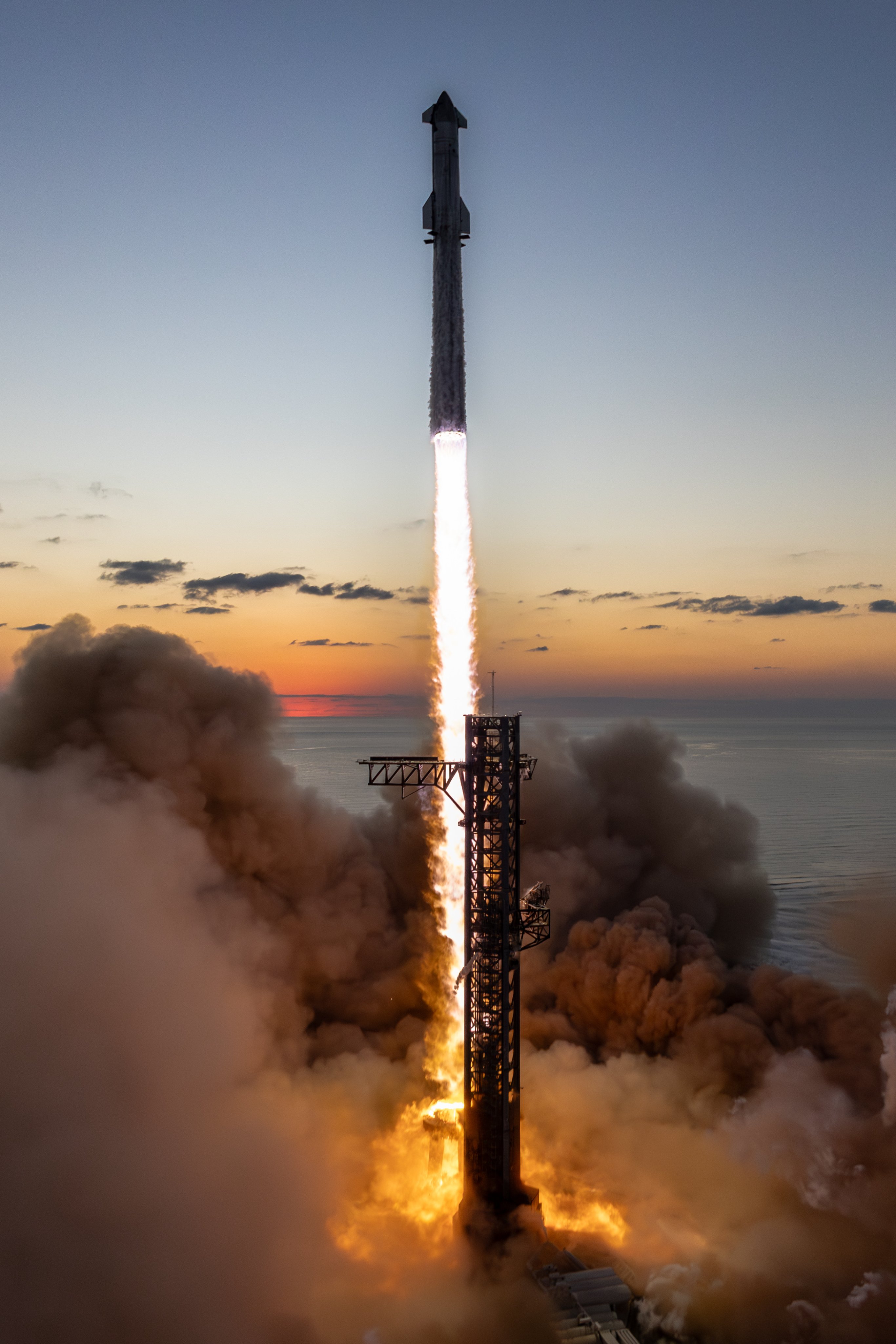
Hello, fellow space enthusiasts! 🌠 Today, we're exploring a critical aspect of long-duration space missions: deep-space radiation shielding for SpaceX's Starship. As the rocket prepares for ambitious missions to Mars and beyond, understanding how it protects its crew and equipment from radiation is essential.
Deep-space radiation poses significant risks to astronauts, primarily through two types: galactic cosmic rays (GCRs) and solar particle events (SPEs). GCRs consist of high-energy protons and heavy ions that can penetrate spacecraft materials, while SPEs involve energetic protons emitted during solar flares. According to NASA, deep-space missions could expose astronauts to radiation doses roughly 50 times that of a person’s yearly intake on Earth—amounting to about 300 to 1000 millisieverts (mSv) over a long-duration mission. Given that a dose of 1,000 mSv can increase cancer risk significantly, effective shielding is non-negotiable. ⚡
SpaceX takes this risk seriously in the design of Starship. One of the primary approaches is incorporating advanced materials that offer effective radiation protection. Starship's hull utilizes high-strength stainless steel, which not only provides structural integrity but also helps attenuate some radiation. Stainless steel has a density greater than aluminum, reducing the radiation exposure in the cabin by up to 20%, which is crucial during long journeys across different radiative environments. 🛡️
But it's not just about materials; geometry plays a vital role too! The design of Starship is modular, allowing considerable room to implement additional radiation shielding methods. SpaceX plans to incorporate water tanks and other supplies into the craft’s shielding strategy. Water is an excellent radiation shield, and by strategically placing water tanks around the living quarters, SpaceX can create a multi-layered defense against harmful cosmic rays. This approach also adds utility, as the water can be used for consumption, hygiene, and general sustenance during long missions. 🌊
Furthermore, during intense solar events, crew safety becomes paramount. Starship is designed with dedicated radiation shelters, which are secure areas equipped with additional shielding that astronauts can use during solar particle events. These safe zones are engineered to reduce radiation levels significantly, providing a refuge where crew members can reside until the threat passes.
Looking at the numbers, a well-designed radiation shielding strategy could reduce an astronaut's total exposure to less than 100 mSv during a round trip to Mars—well below suggested safety limits. The goal is to ensure not only successful missions but also the health and safety of crew members who will face the challenges of life on another planetary body. 🌌
In conclusion, deep-space radiation shielding is vital for the long-term mission viability of SpaceX's Starship. By using advanced materials, thoughtful geometry, and multi-functional designs, SpaceX is addressing one of the most formidable challenges in space exploration. As we stand on the brink of interplanetary travel, these innovations cannot be overlooked. Exciting times are ahead! #SpaceX #Starship #RadiationShielding
Image credit: SpaceX