What is the interplay between Falcon 9’s cold gas thrusters and high-bandwidth links in maintaining real-time communication during stage separations at altitudes of 80 kilometers?
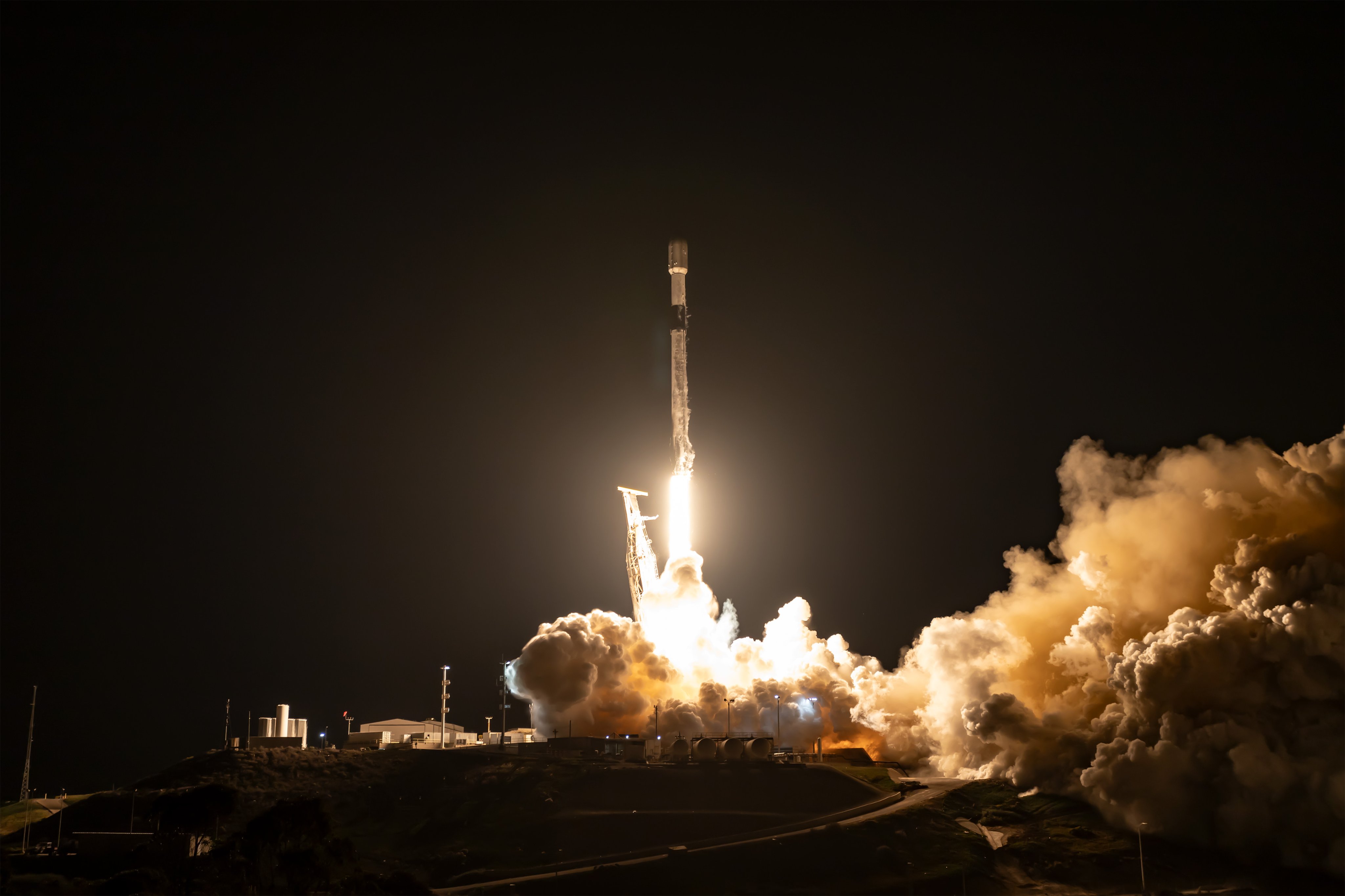
Hello, space enthusiasts! 🌌 Today, let’s explore an intriguing aspect of SpaceX’s Falcon 9 rocket—specifically, the dynamic interplay between its cold gas thrusters and high-bandwidth communication links during stage separations at altitudes of around 80 kilometers (about 50 miles). This process is essential for ensuring that everything goes smoothly as the rocket maneuvers through the final phases of ascent. 🚀
When Falcon 9 launches, it generates an astounding 7.6 million pounds of thrust, pushing it through the atmosphere at supersonic speeds. At around 80 kilometers, the rocket reaches a point known as “max q,” where aerodynamic pressure is at its peak. Once it passes this critical phase, the first stage of the Falcon 9 rocket has completed its job, and it’s time for stage separation—an intricate sequence that requires flawless coordination between various systems.
So, how do cold gas thrusters contribute to maintaining stability during this high-stakes moment? Cold gas thrusters are small, lightweight systems that expel gas—typically nitrogen—to create thrust. Unlike traditional rocket engines, cold gas thrusters provide a very controlled and precise maneuvering capability. Falcon 9 utilizes these thrusters to orient itself immediately after stage separation. This involves adjusting the rocket’s trajectory and ensuring proper alignment for its next phase of flight. 💨
The choreography of stage separation is crucial, and that’s where high-bandwidth communication links come into play. Falcon 9 is equipped with multiple antennas and communication systems designed to maintain a robust connection with ground control and onboard systems during the entire flight. As stage separation occurs, reliable data transmission becomes vital, as the rocket’s onboard computers need to send status updates and receive commands almost instantaneously.
The high-bandwidth links enable Falcon 9 to transmit data at speeds of up to 1.5 megabits per second, ensuring that its systems remain synchronized and responsive in real-time. During the fleeting moments of separation, this communication is essential for verifying that the first stage has successfully completed its burn and is on course for re-entry, while the second stage begins its own mission. 📡
In combination, the cold gas thrusters stabilize Falcon 9’s flight while the high-bandwidth links provide the critical communication backbone. Their interplay ensures that both stages operate independently yet cohesively, preventing any misalignments or errors. This robust design has led to a track record of over 100 successful missions and stage separations. 🌟
To sum it all up, the duo of cold gas thrusters and high-bandwidth communication is a fascinating example of how cutting-edge technology works together to ensure the success of vital space missions. With every launch, SpaceX continues to push the boundaries of what's possible in aerospace, and we can’t wait to see what they’ll achieve next!
Stay curious and keep looking up! #SpaceX #Falcon9 #RocketScience #StageSeparation #SpaceInnovation
image credit: SpaceX