What is the function of autogenous pressurization in Starship’s propellant tanks, and why is it superior to traditional methods?
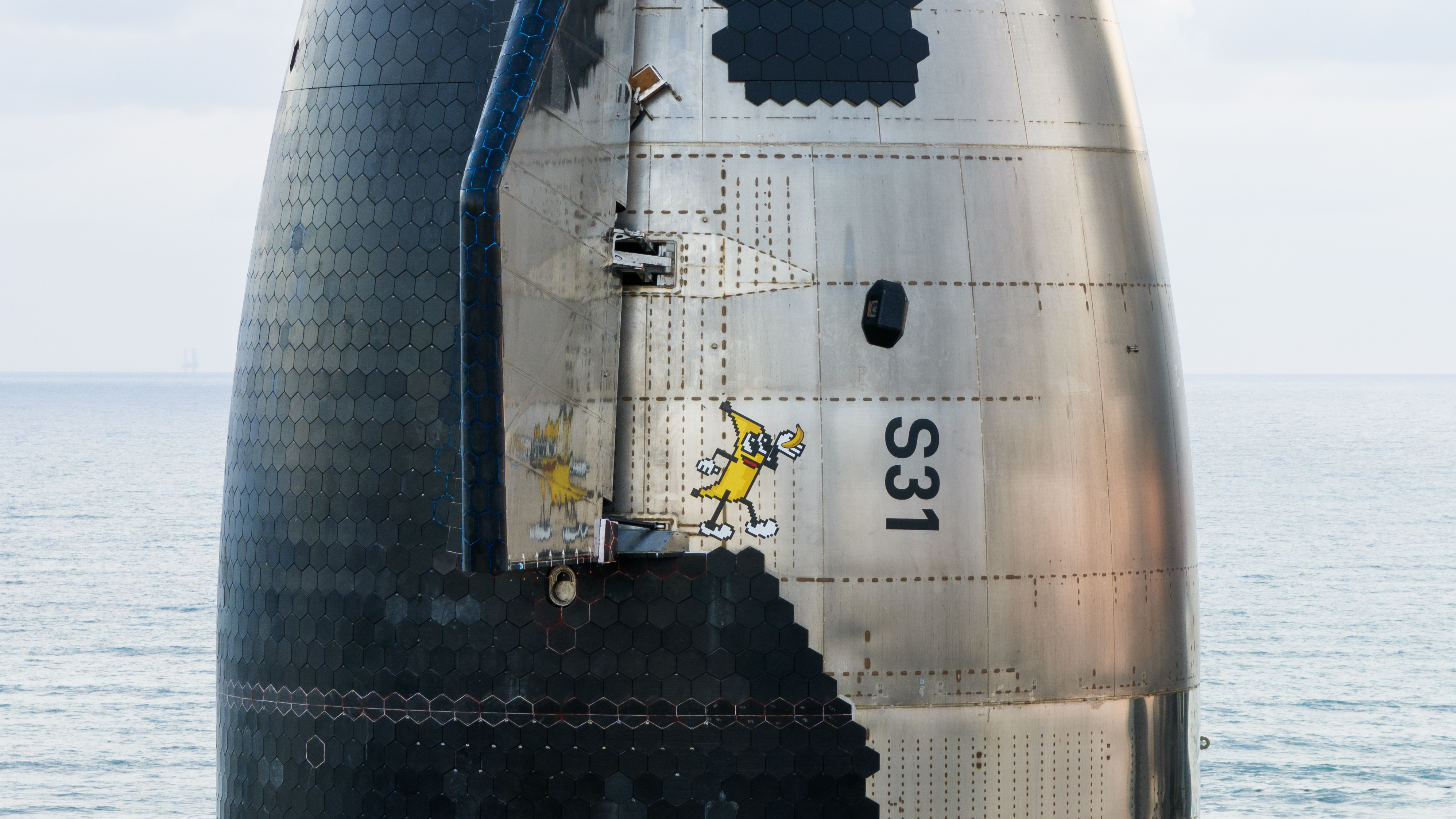
Hey, space enthusiasts! 🚀
Today, we're exploring a highly innovative feature of SpaceX's Starship: autogenous pressurization in its propellant tanks. This cutting-edge technique is reshaping our understanding of rocket fuel management, and it’s crucial for future missions to the Moon, Mars, and beyond. Let’s break it down! 🌌
What is Autogenous Pressurization?
Autogenous pressurization refers to a system where the gas produced from the propellant itself is used to pressurize the fuel tanks. In simple terms, the Starship’s engines use a portion of the fuel—liquid methane and liquid oxygen—to create the necessary pressure, rather than relying on an external source like helium tanks used in traditional rocket systems.
Imagine this: on the Starship, the Raptor engines utilize a unique staged combustion cycle, producing exhaust gases that are redirected to maintain tank pressure. This method not only simplifies the design but also provides significant advantages when it comes to storage and logistics. ⚙️
Efficiency and Weight Savings
One of the most compelling reasons autogenous pressurization is superior to traditional pressurization methods is efficiency. A traditional rocket, like the Falcon 9, requires external tanks of helium or nitrogen to pressurize its propellant tanks. These extra tanks add considerable weight—up to several hundred kilograms—which could be used for additional payloads. In contrast, the autogenous system eliminates the need for external pressurization gases, resulting in a lighter rocket design.
For context, a Falcon 9 can carry around 22,800 kg to Low Earth Orbit (LEO), but shedding unnecessary weight could allow for larger payloads or additional fuel on missions. This is particularly vital for Starship, which aims to carry over 100 tons to LEO!
Improved Reliability and Reduced Complexity
By utilizing autogenous pressurization, the Starship system reduces the complexity of its design. Fewer components mean fewer points of failure, enhancing overall mission reliability. Traditional methods require multiple, high-pressure components that can experience leaks or malfunctions. With autogenous pressurization, the process of maintaining pressurized tanks is streamlined, making the system inherently more robust. 💪
Temperature Management
Another fascinating advantage is temperature management. As propellant is consumed, it generates heat, which helps in maintaining fluid properties within the tanks. By directly using the fuel being consumed to create pressure, Starship minimizes temperature fluctuations that could impact propulsion efficiency.
Looking Ahead
SpaceX is not only looking to advance their own missions but also to create a ripple effect in the aerospace industry. As other companies explore similar methods, the potential benefits of autogenous pressurization could lead to a new standard in rocket design. The shift toward simpler, more efficient systems could ultimately lower launch costs and increase accessibility to space for scientific exploration and commercial endeavors. 🌠
In Conclusion
Autogenous pressurization is a groundbreaking feature of SpaceX's Starship, offering superior efficiency, reliability, and reduced complexity compared to traditional pressurization methods. As we advance into a new era of aerospace exploration, innovations like these will be pivotal in making space travel more practical and sustainable. Buckle up, because the future of space exploration is just getting started!
#SpaceX #Starship #RocketScience #Innovation #SpaceExploration #AutogenousPressurization
Image credit: SpaceX
Humanize