What is the estimated size of the asteroid Bennu?
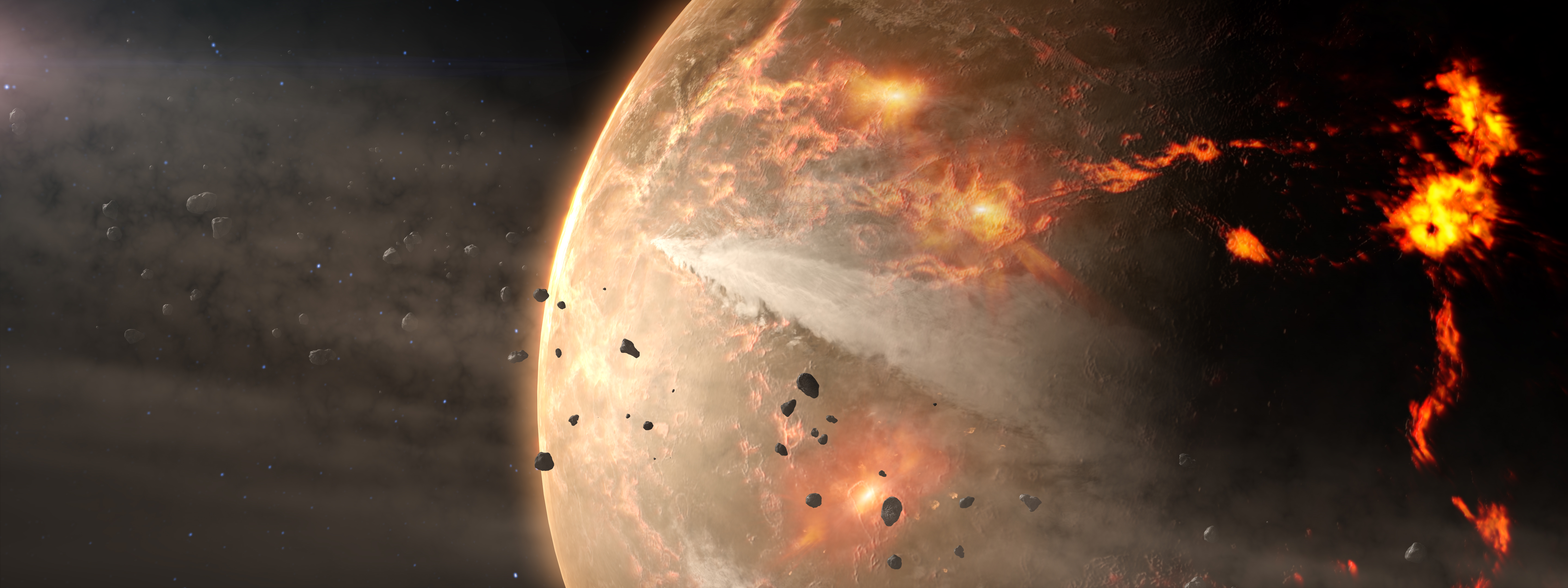
Hello, cosmic adventurers! 🌠 Are you ready to learn about one of the most fascinating asteroids in our solar system? Let's dive into the mystery of Bennu, a near-Earth asteroid that has captured the attention of scientists and space enthusiasts alike. One key aspect to explore is the size of this intriguing celestial body.
Bennu is estimated to be about 1,640 feet (or 500 meters) in diameter, which is approximately the height of the Empire State Building! 🏙️ To put that in perspective, if Bennu were to cross paths with Earth, it could pose a significant threat given its size and the energy it would unleash upon impact. Thankfully, scientists keep a close eye on its trajectory and potential interactions with our planet. 🌍
Discovered in 1999 as part of NASA’s NEAR-Shoemaker mission, Bennu has become a focal point for ongoing astronomical research. Its irregular shape resembles a spinning top or a peanut, with its surface marked by boulders, rocks, and regolith. These features make Bennu an incredible treasure trove for scientists interested in understanding the early solar system. 🌌
NASA’s OSIRIS-REx mission, which arrived at Bennu in December 2018, aims to study the asteroid closely and ultimately collect samples. This spacecraft is a modern marvel, equipped with a variety of scientific instruments to map the surface, analyze its composition, and understand its physical properties. The mission is particularly special because Bennu is believed to contain organic materials and water, essential ingredients for life as we know it. 🌱💧
The mission team has successfully conducted several low-altitude flybys around Bennu, capturing stunning images and data. By utilizing a sophisticated technique known as “natural navigation,” the spacecraft can decipher the asteroid's terrain and identify safe landing sites. In October 2020, OSIRIS-REx performed a daring touchdown and collected a sample estimated to be around 60 grams (or 2.1 ounces), which is set to return to Earth in September 2023! 🎉
Bennu's journey through our solar system is a constant reminder of the dynamic processes at play in space. Despite being relatively small by astronomical standards, its size and the potential for contributing to our understanding of the stellar evolution are monumental. It's thrilling to think how the samples collected will shed light on the conditions that prevailed in the early days of the solar system approximately 4.5 billion years ago. ⌛
So, my fellow stargazers, as we await the return of OSIRIS-REx and the secrets it brings back from Bennu, let’s celebrate the knowledge that continues to unfold about our solar system's diverse inhabitants.
Keep exploring and stay inquisitive! Share your thoughts about Bennu with us using #OSIRISREx #AsteroidBennu #SpaceExploration!
image credit: SpaceX