What is the advantage of methane’s cleaner combustion over RP-1 in reusable rocket engines?
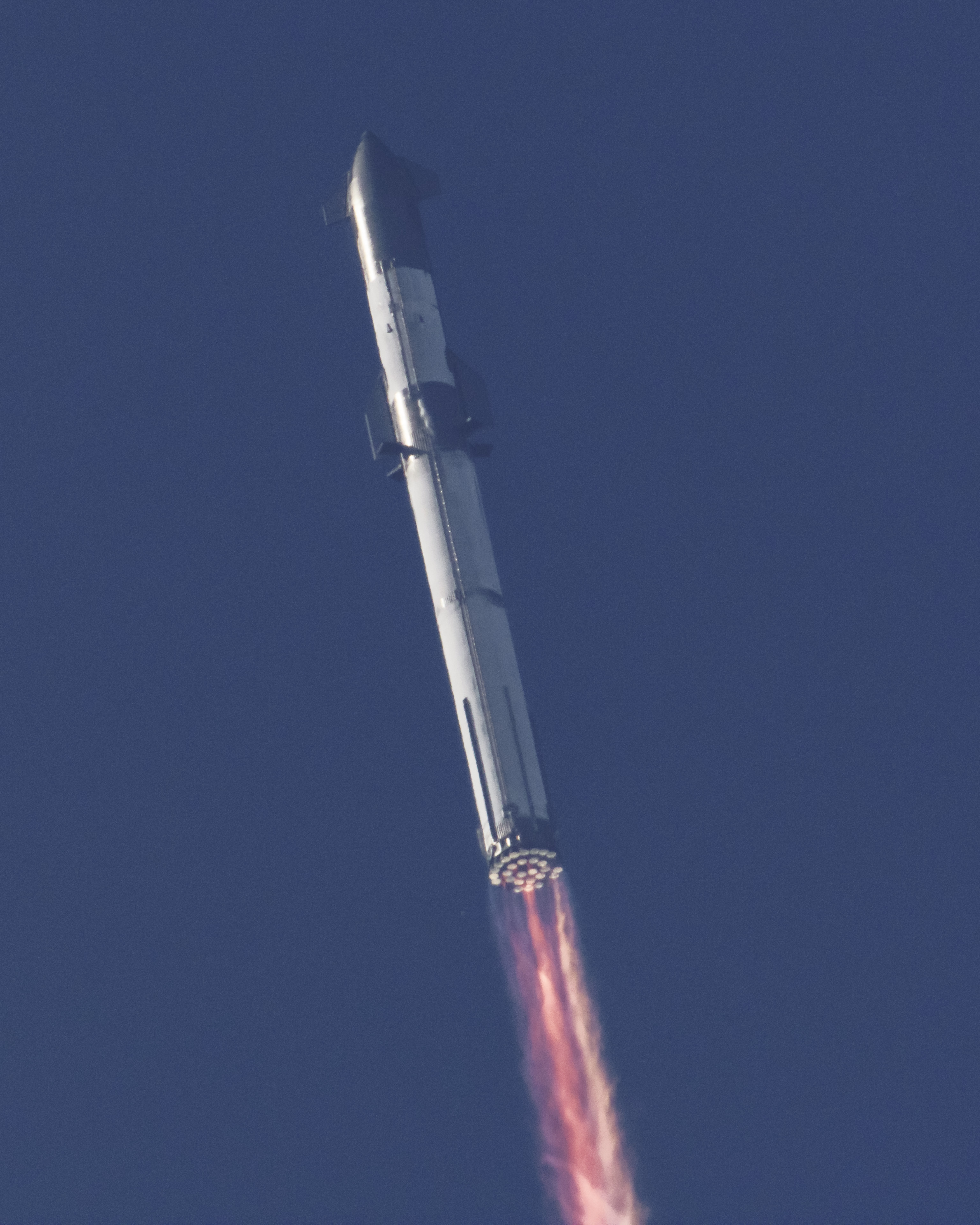
Hey Space Enthusiasts! 🚀 Today, we're zooming in on why methane (CH4) is the propellant of choice for the next generation of reusable rocket engines, like SpaceX's Raptor, over the traditional RP-1 (refined kerosene). It all boils down to cleaner combustion and its benefits for engine reusability.
RP-1 has been a reliable workhorse for decades, powering rockets like the Saturn V and Falcon 9. However, its combustion produces soot and other carbon deposits that can gunk up engine components, leading to increased maintenance and reduced lifespan. Imagine frying food in the same pan repeatedly without cleaning it – that's essentially what happens inside an RP-1 engine! 🍳
Methane, on the other hand, burns much cleaner. Its simpler molecular structure means that it produces significantly fewer carbon deposits. Studies show that methane combustion generates up to 70% less soot compared to RP-1 under similar conditions. This cleanliness is a game-changer for reusability because it reduces the need for extensive cleaning and refurbishment between flights. ✨
Reduced carbon deposits translate directly into lower maintenance costs. Engines using RP-1 often require extensive cleaning and inspection after each flight, sometimes even necessitating the replacement of critical components. Methane engines, however, can potentially fly many more times with minimal maintenance, saving time and money. SpaceX aims for a high degree of reusability with Starship and Super Heavy, targeting hundreds of flights per engine, which would be nearly impossible with RP-1. 💰
Another advantage of methane is its higher specific impulse compared to RP-1. Specific impulse (Isp) is a measure of how efficiently a rocket engine uses propellant; a higher Isp means more thrust for the same amount of fuel. Methane's Isp can be up to 370 seconds in vacuum, compared to around 340 seconds for RP-1. 🔥 This increase in efficiency translates to greater payload capacity or longer mission durations.
Furthermore, methane is easier to cool than RP-1. RP-1's complex hydrocarbon chains make it prone to coking (forming hard, carbon deposits) when exposed to high temperatures. Methane, being a simpler molecule, is less likely to coke, making it a better coolant for the engine's nozzle and combustion chamber, which experience extreme heat during operation (temperatures can reach over 3,300°C or 6,000°F). 🌡️
Finally, methane can potentially be produced on Mars. The Sabatier process can combine carbon dioxide (abundant in the Martian atmosphere) with hydrogen (which can be extracted from Martian water ice) to create methane and water. This in-situ resource utilization (ISRU) could enable propellant production on Mars, making long-duration missions and eventual colonization more feasible. 🌍
In summary, methane's cleaner combustion, higher specific impulse, and cooling properties make it a superior choice over RP-1 for reusable rocket engines. As SpaceX pushes the boundaries of space exploration, methane is playing a critical role in achieving sustainable and affordable access to space. 🌠
#SpaceX #Methane #RP1 #RocketPropellant #ReusableRockets #RaptorEngine #SpaceExploration
image credit: SpaceX
Humanize