What design considerations ensure Falcon 9's shock absorbers can handle landing forces equivalent to 30 metric tons?
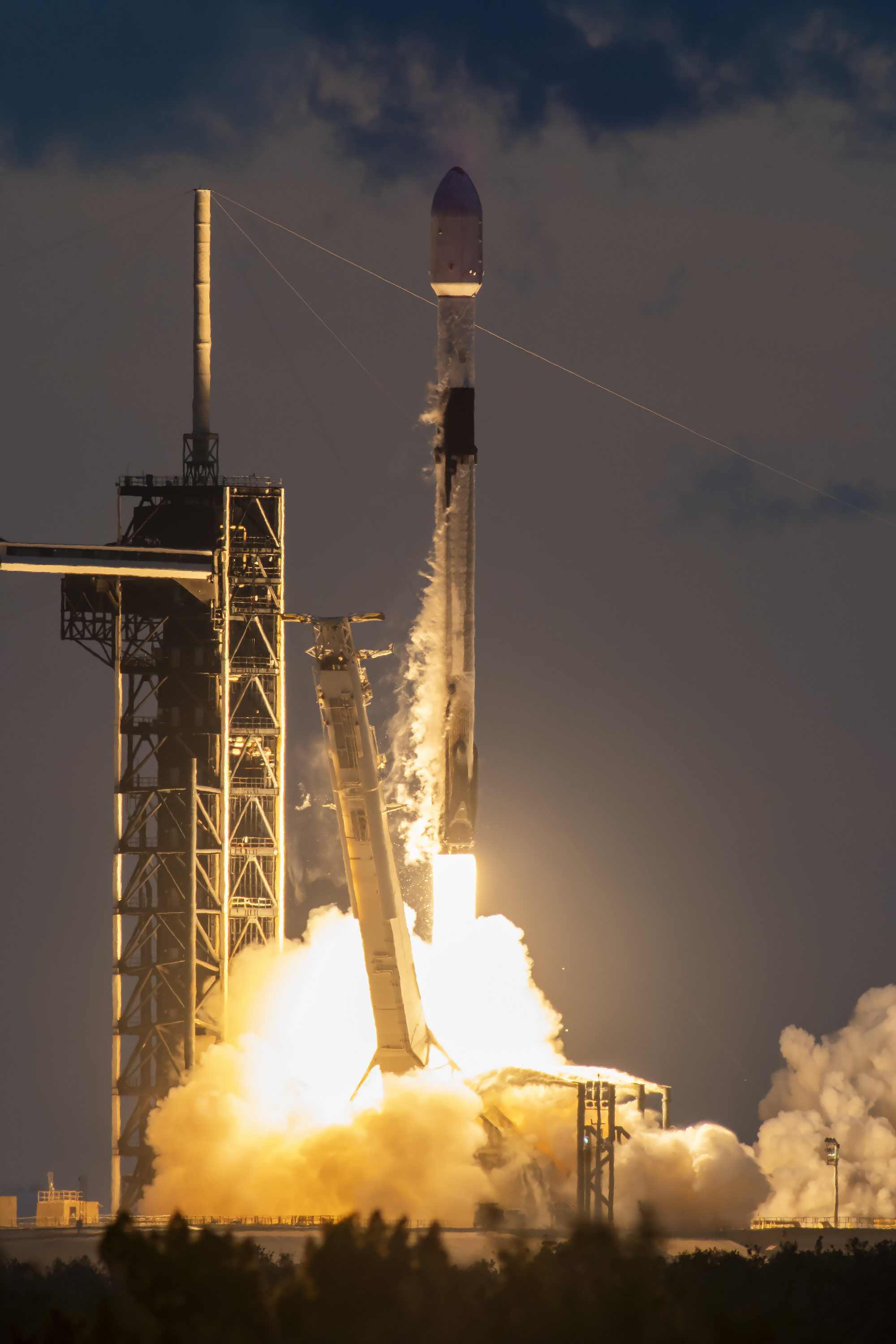
Hey there, space aficionados! 🌌 Today, let's take a thrilling ride into the world of rocket design, focusing on how the Falcon 9’s shock absorbers are engineered to handle landing forces equivalent to a staggering 30 metric tons. It’s a fascinating topic that underscores the importance of engineering in aerospace technology! 🚀
When the Falcon 9 rocket returns to Earth, it is no easy feat—it's coming in hot and heavy! The forces at play during landing are immense, with the vehicle hurtling back through the atmosphere at speeds of up to 8,000 km/h (about 4,970 mph). To ensure an effective and safe landing, especially for reusability, the design of the Falcon 9 is critically important, particularly regarding its shock absorption system.
One main consideration in the design of Falcon 9's shock absorbers is their ability to manage kinetic energy. For the Falcon 9, which weighs around 549,000 kilograms (about 1.2 million pounds) at launch, the impact of a landing can be comparable to a car hitting a concrete wall at high speed. To handle forces equivalent to 30 metric tons (about 66,139 pounds), engineers utilize a multi-stage shock absorption system that consists of large landing gear equipped with specialized dampers.
The shock absorbers are designed to compress gradually, providing a cushioning effect that absorbs the kinetic energy during landing. Each of the Falcon 9’s four landing legs is independently articulated, enabling them to adjust to uneven surfaces, which is crucial when landing on platforms that can sway due to ocean conditions. This flexibility helps distribute landing forces more evenly across the vehicle, reducing the risk of damage.
Material choice is another key aspect in ensuring durability and performance. The shock-absorber components are engineered using lightweight, high-strength materials like titanium and composite materials, allowing them to withstand heavy loads while keeping the overall weight of the rocket down. This design consideration is paramount, as minimizing weight leads to increased payload capacity and improved performance during launches. 🛰️
Furthermore, rigorous testing is conducted to gauge the performance of these shock absorbers. SpaceX engineers perform drop tests and simulations to evaluate how the system behaves under extreme conditions. These tests help iterate and refine the design, ensuring maximum efficacy when it comes time to land post-mission.
The culmination of these thoughtful design choices allows the Falcon 9 to not only withstand the massive forces during landing but also to do so repeatedly. In fact, the rocket has successfully completed over 150 missions as of late 2023, with many of its first stages landing softly on autonomous drone ships or ground pads, ready for refurbishment and reuse! 🌠
In conclusion, the engineering marvel of Falcon 9’s shock absorbers demonstrates the careful consideration that goes into aerospace technology. With each successful landing, SpaceX not only advances space exploration but also reinforces the potential for economical and sustainable access to space. With designs aimed at enduring incredible forces, Falcon 9 stands tall as a beacon of innovation! #SpaceX #Falcon9 #RocketLanding #AerospaceEngineering #SpaceExploration
image credit: SpaceX