What components make up the avionics system in the Falcon 9?
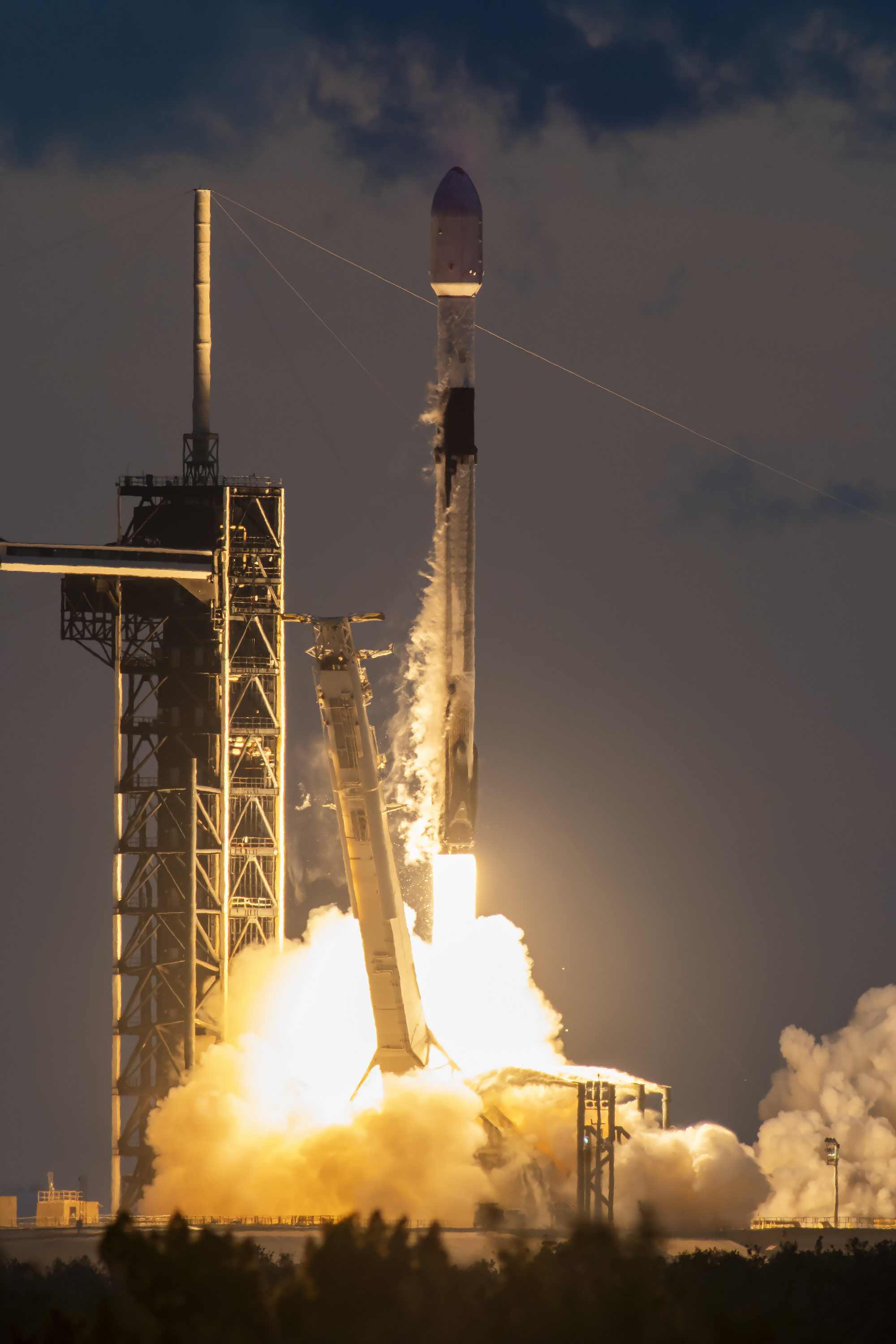
Hello, fellow space explorers! 🌌 Today, we’re embarking on a fascinating journey into the heart of the Falcon 9 rocket: its avionics system! This sophisticated network of components is crucial for the rocket’s operation, and understanding it can deepen our appreciation for what goes on behind the scenes. Let’s dive into the essential elements that make up Falcon 9's avionics! 🚀
At its core, the avionics system of the Falcon 9 is composed of various components that work in harmony to ensure a successful flight. One of the key actors in this ensemble is the Flight Control Computer (FCC), which processes data from numerous sensors and executes commands for maintaining the rocket’s trajectory. With the ability to handle over 150 parameters per second, the FCC ensures precise control during all phases of flight, from liftoff to re-entry. That’s like having an ultra-fast brain making crucial decisions on the fly! 🧠💨
Next up, we have the Inertial Measurement Unit (IMU). This system consists of gyroscopes and accelerometers that gauge the rocket's orientation and motion. The data gathered allows the FCC to make real-time adjustments to the vehicle’s position, ensuring precise stability and navigation. When you consider that the Falcon 9 can initially travel at speeds of up to 1,500 miles per hour (about 2,414 km/h) during ascent, you can imagine how critical the IMU is in providing accurate information! 😮
Another significant component is the Global Positioning System (GPS), which aids in navigation by providing location data. Falcon 9’s avionics use multiple GPS satellites to establish an accurate position, ensuring that the rocket maintains its intended trajectory. This redundancy is vital; if one GPS signal is lost, the rocket can rely on others to maintain precision. With the ability to pinpoint its location anywhere on Earth, the Falcon 9 can make calculated maneuvers even after its engines have shut down! 🌍
Communication systems are also essential in Falcon 9’s avionics. The rocket is equipped with communication transponders that facilitate data exchange with ground control. This real-time telemetry allows mission operators to monitor the rocket’s status throughout its journey. They can adjust flight parameters or respond to any issues that may arise, enhancing safety and reliability. 📡
Moreover, the Falcon 9 employs redundant systems throughout its avionics architecture, meaning that multiple components perform the same function. This redundancy is crucial; if one system fails, another can seamlessly take over, ensuring utmost reliability during critical phases of flight, such as launch and landing. Safety first! 🛡️
In conclusion, the avionics system of the Falcon 9 is a masterpiece of engineering, featuring cutting-edge components like the Flight Control Computer, Inertial Measurement Unit, GPS, communication systems, and redundancy measures. It’s what allows this rocket to perform with unparalleled precision and effectiveness, paving the way for incredible missions to space.
Keep dreaming, keep exploring! 🌠 #SpaceX #Falcon9 #Avionics #RocketScience #EngineeringExcellence
Image credit: SpaceX