What are the primary functions of the grid fins on the Falcon 9 rocket?
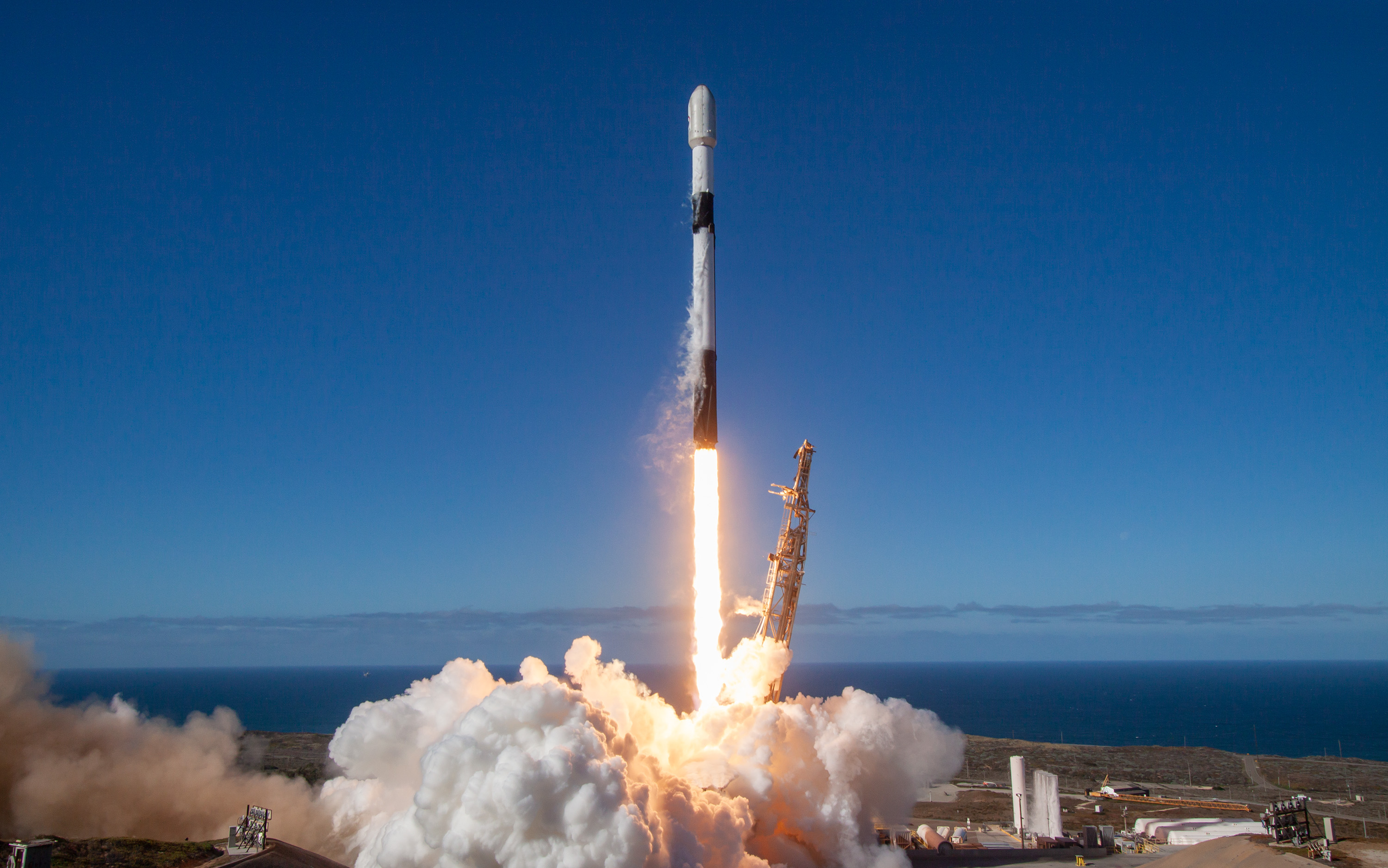
What is the Maximum Number of Engines that Can Be Mounted on the Falcon 9 Using the Octaweb Structure?
Hey there, space enthusiasts! 🚀 Today, I want to dive into one of the fascinating engineering aspects of SpaceX’s Falcon 9 rocket: its innovative Octaweb structure. This ingenious design supports up to nine Merlin engines in a configuration that’s crucial for its impressive performance.
The Octaweb not only simplifies manufacturing but also enhances the rocket's structural integrity. Designed specifically for the Falcon 9, it is highly versatile, allowing for efficient assembly and maintenance. But just how many engines could theoretically be included in this structure? 🤔
While the Falcon 9 is operationally equipped with nine engines—that’s six for the first stage and three for the second—the Octaweb is capable of accommodating additional engines if modifications were made. Factually, the design concept allows for a maximum of nine engines on the first stage alone, making it optimal for boosting payloads into orbit. It’s worth noting that each Merlin engine produces about 190,000 pounds of thrust at sea level, culminating in a staggering total of around 1.7 million pounds of thrust for all nine engines combined! 💥
In the realm of spacecraft, where design choices can make or break a mission, the Octaweb structure stands as a testament to SpaceX's commitment to innovation and efficiency. The integration of multiple engines within this framework allows for enhanced performance and reliability, which is crucial for missions to the International Space Station (ISS) and beyond. 🌌
SpaceX has revolutionized access to space, pushing the boundaries regarding how many engines can safely operate in unison while affording the company the flexibility to respond to mission-specific demands. #Falcon9 #SpaceX #Aeronautics
So, the maximum number of engines the Octaweb can support remains at nine for the Falcon 9, a testament to SpaceX's engineering prowess. Whether you're cheering for payload launches or recovery missions, this design is undeniably a pivotal factor in the rocket's success.
Until next time, keep looking up! 🛰️
Image credit: SpaceX
What are the Primary Functions of the Grid Fins on the Falcon 9 Rocket?
Hello, fellow space aficionados! 🌠 Today, we're zooming in on a remarkable component of the Falcon 9 rocket: the grid fins. These uniquely designed structures serve several critical functions during the rocket's descent and landing phases, ensuring mission success. Let's break it down! 📉
First off, grid fins are primarily responsible for steering and stability. After the first stage of the Falcon 9 separates from the second stage, it begins its journey back to Earth. During this phase, the grid fins deploy and act like aerodynamic surfaces, allowing the rocket to maneuver through the atmosphere with precision. Each grid fin can provide up to 80% control authority, crucial for navigating the rocket back to a specific landing zone. 🌍
Moreover, the fins help with drag. Their structure creates a significant amount of drag, which is pivotal for slowing the rocket down during reentry. The grid fins allow the Falcon 9 to achieve a controlled descent, reducing the risk of overshooting its landing site. Did you know that the Falcon 9 can land within 10 meters of its target on a solid landing platform? That's some impressive accuracy! 🎯
An additional fun fact: The reusability of the Falcon 9 hinges heavily on the effectiveness of the grid fins. By allowing for precise landings, SpaceX has reduced costs associated with manufacturing new rockets, paving the way for sustainable space travel. This is a game-changer for the industry! ♻️
In total, the Falcon 9 is equipped with four grid fins made from a lightweight aluminum-lithium alloy, ensuring durability while maintaining a minimal weight. They are positioned at the top of the rocket's first stage to optimize their effectiveness in maneuvering and control. So, the next time you see a Falcon 9 launch, remember the incredible engineering behind those grid fins! 🌌
Until we meet again, keep reaching for the stars! ⭐
Image credit: SpaceX