What are the primary differences in throttle response time between Merlin and Raptor engines?
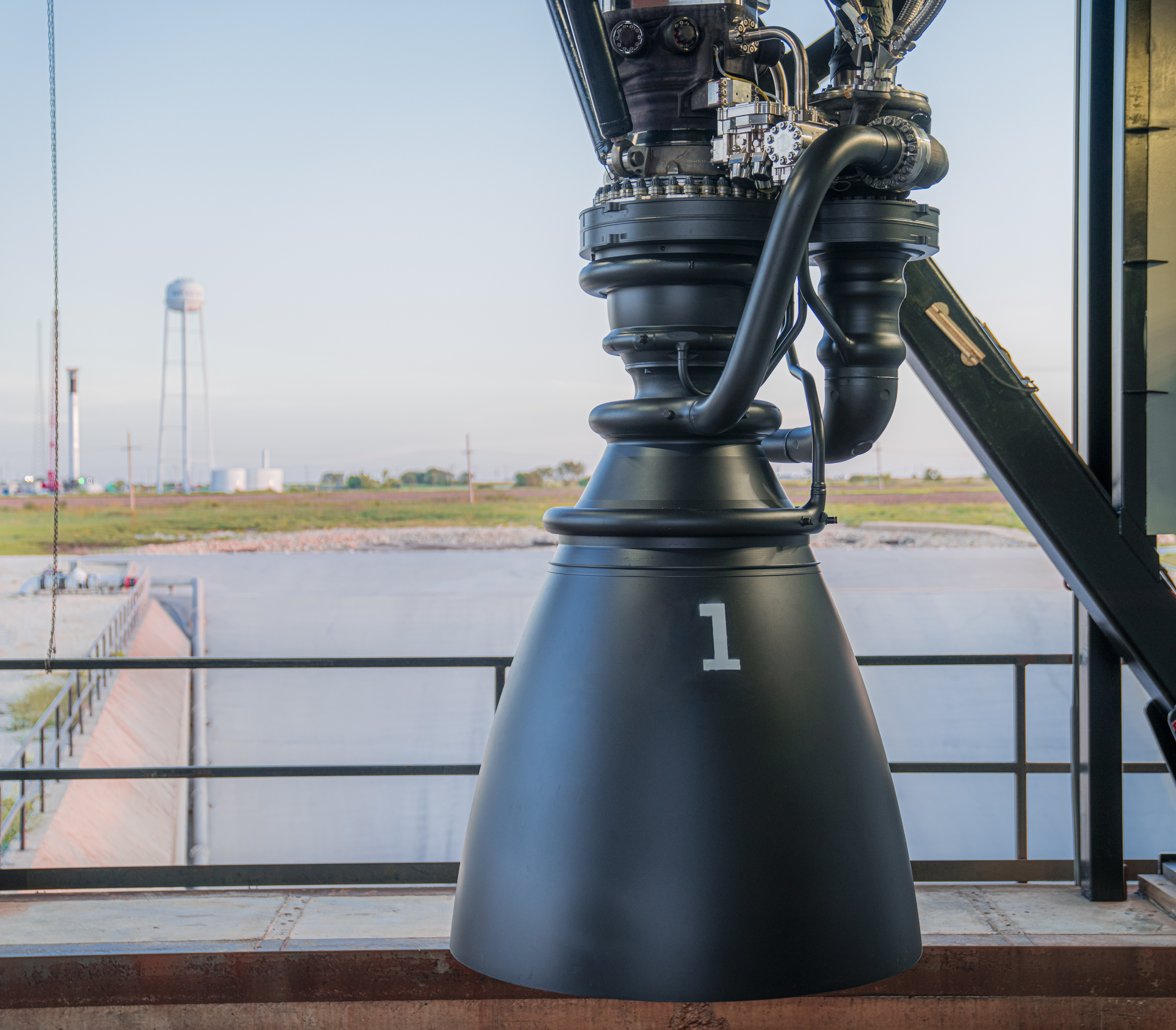
Hey space fanatics! 👽 Today, we're going to take a deep dive into the fascinating world of rocket engines, specifically the throttle response time of SpaceX's Merlin and Raptor engines. Whether you're a seasoned rocketry enthusiast or a newcomer to the field, understanding the nuances of these engines will give you a new appreciation for the intricacies of space travel. So, buckle up and let's explore the world of Merlin and Raptor! 🚀
First, let's set the stage with some basic engine facts. The Merlin engine has been a workhorse for SpaceX since its inception, powering the Falcon 9 and Falcon Heavy rockets. With a sea-level thrust of 845 kN (189,000 lbf) and an specific impulse of 348 seconds, it's an impressive performer in its own right.
On the other hand, the Raptor engine is a more recent addition to the SpaceX engine family, designed to power the company's ambitious Starship program. Raptor boasts a whopping 3,800 kN (855,000 lbf) of thrust and a specific impulse of 360 seconds, making it significantly more powerful than Merlin. But what about throttle response time? How do these two engines compare in terms of acceleration and deceleration?
The primary difference lies in the throttle response time, which is measured in milliseconds. Merlin engines typically take around 1-2 milliseconds to respond to throttle changes, while Raptor engines are much faster, with a response time of 0.2-0.5 milliseconds. This may not seem like a huge difference, but it adds up to a significant advantage in terms of overall engine performance.
To put this in perspective, consider a hypothetical launch scenario where the rocket needs to go from 90% to 100% thrust quickly to escape Earth's atmosphere. A Merlin engine would take around 2-4 milliseconds to reach full power, while Raptor could do it in a blistering 0.4-0.8 milliseconds. That's the difference between a smooth, steady ascent and a rocket that's struggling to keep up with its desired trajectory.
Another key factor at play here is the type of propulsion control system used in each engine. Merlin employs a traditional hydraulic control system, which introduces a small delay due to the mechanical response time of the system. Raptor, on the other hand, features an advanced digital control system, which is much faster and more responsive. This difference in technology is a significant contributor to Raptor's faster throttle response time.
In conclusion, the primary differences in throttle response time between Merlin and Raptor engines are significant, with Raptor offering a much faster response time due to its advanced digital control system. As SpaceX continues to push the boundaries of space exploration with its Starship program, the Raptor engine's capabilities will play a crucial role in achieving success.
#SpaceX #Merlin #Raptor #RocketEngines #ThrottleResponse #SpaceTravel #Engineering Marvels
image credit: SpaceX
Humanize