What are the key differences in thermal protection systems between Starship and Falcon 9 to handle varied mission profiles?
Hey there, space explorers! 🚀 Are you ready to embark on a journey through the fascinating world of thermal protection systems? Today, we’ll highlight the key differences between the thermal protection systems (TPS) utilized by SpaceX's Starship and Falcon 9 rockets, designed to handle their unique mission profiles. With SpaceX pushing the boundaries of space travel, it’s crucial to understand how these two spacecraft protect themselves from extreme temperatures during re-entry and ascent. 🌌
Greetings, fellow aerospace enthusiasts! 😃 First up, let’s talk about Falcon 9. This reusable rocket primarily serves low Earth orbit (LEO) missions, including satellite deployments and ISS resupply. The TPS on the Falcon 9 consists of an advanced carbon phenolic material, which can withstand temperatures reaching up to 1,400 degrees Celsius (about 2,552 degrees Fahrenheit) during re-entry. This material balances weight and protection, making it ideal for Falcon 9's relatively lighter payloads and shorter trajectory back to Earth. 🚀
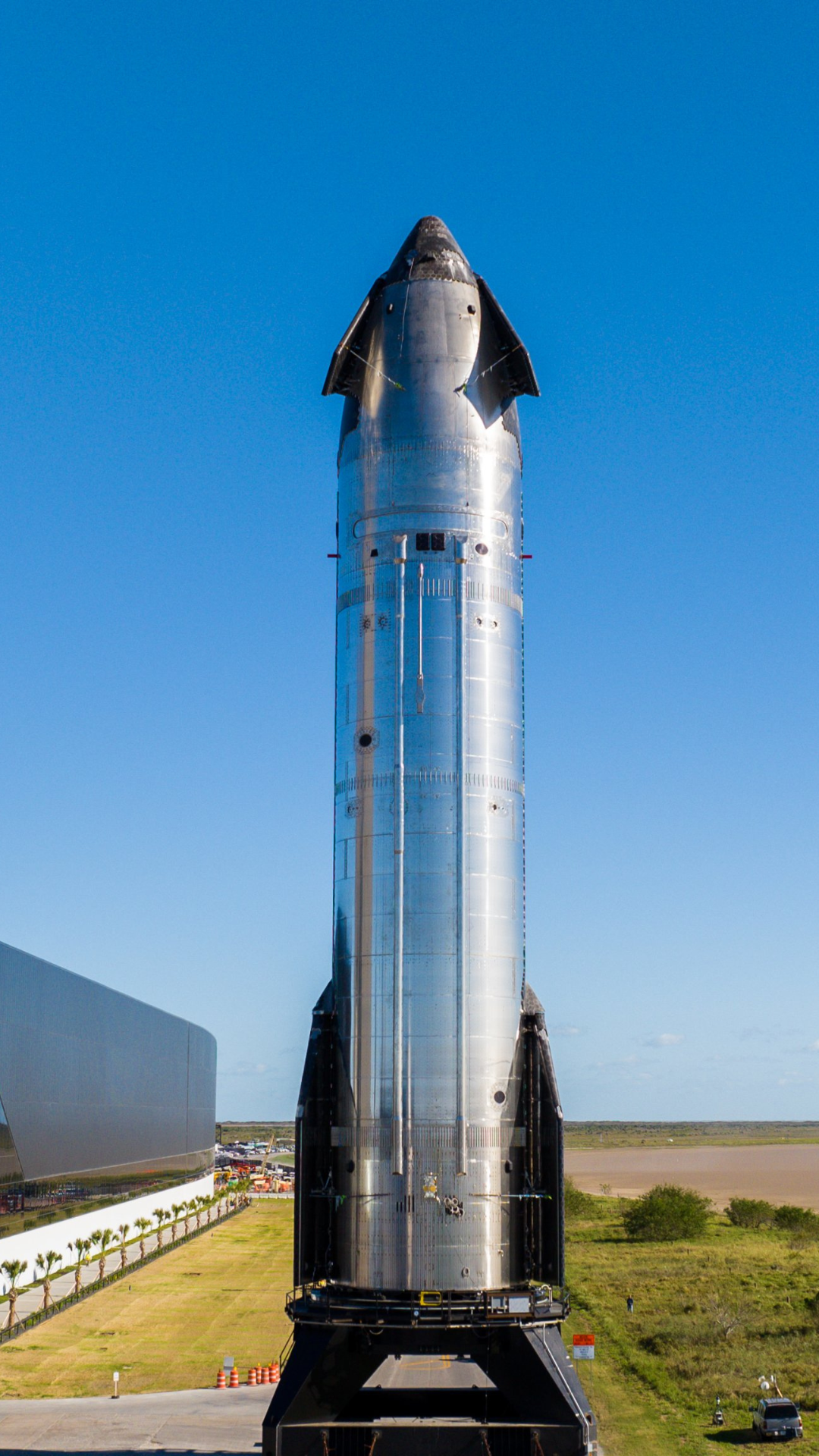
Hello, rocket aficionados! 🌟 Now let’s shift our eyes to Starship, which is designed for far more ambitious missions, including crewed missions to Mars and beyond. Unlike the Falcon 9, Starship will re-enter the atmosphere at much higher speeds, facing temperatures soaring beyond 1,650 degrees Celsius (around 3,002 degrees Fahrenheit). To handle these extreme conditions, SpaceX has opted for a robust heat shield made from ceramic tiles, known as the Heat Shield Thermal Protection System (TTP). These tiles provide exceptional insulation, allowing Starship to survive the intense heat generated during re-entry from deep space. 🛡️
Hey there, numbers fans! 📊 It's important to note the design philosophy behind each system. The Falcon 9’s TPS allows for quick turnaround times, as it doesn’t endure as extreme conditions as Starship. With each Falcon 9 launch, the booster’s TPS can often sustain multiple flights, requiring only routine checks and minor refurbishments. In contrast, Starship’s heat shield is designed for a single re-entry before being refurbished. However, it incorporates an innovative rapid refurbishment plan that focuses on durability, aiming for up to 100 missions with minimal downtime.
Let’s also discuss the texture differences! The Falcon 9 features a smooth and sleek design to minimize aerodynamic drag for easier ascents, while Starship’s ceramic tiles are slightly rougher, promoting stability during high-velocity atmospheric re-entries. This dive helps to create an efficient and effective thermal environment, ensuring that the crew and cargo inside remain safe. 🌈
In conclusion, the key differences in thermal protection systems between SpaceX’s Starship and Falcon 9 reflect their distinct mission profiles. While Falcon 9 is designed for routine LEO missions with a focus on reusability, Starship equips itself for deep-space voyages and high-speed re-entries with advanced ceramic tiles. As SpaceX continues to break barriers in aerospace engineering, we can expect even more innovations in thermal protection systems! 🌌 #SpaceX #Starship #Falcon9 #AerospaceInnovation #ThermalProtection
image credit: SpaceX