What are the environmental implications of SpaceX’s methane-based propulsion systems, and how do they compare to traditional rocket fuels?
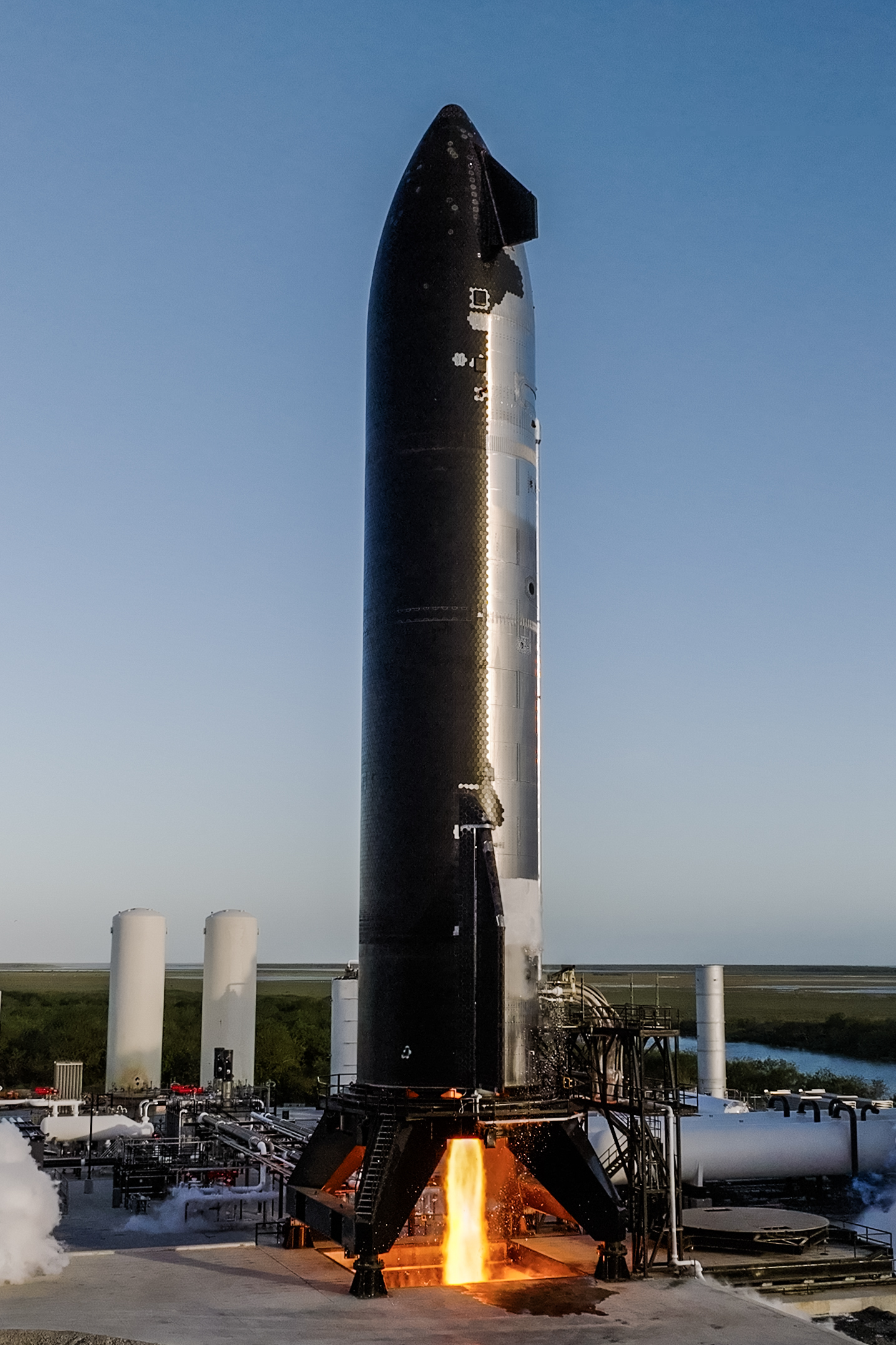
Fueling the Future: The Environmental Implications of SpaceX’s Methane-Based Propulsion Systems 🌍
Hey there, space aficionados! Today, we're exploring an exciting and increasingly vital topic: the environmental implications of SpaceX's methane-based propulsion systems. With the ongoing dialogue surrounding climate change and sustainability, understanding how emerging rocket technologies impact our planet is crucial. Buckle up as we dive into how methane compares to traditional rocket fuels! 🚀
SpaceX has taken a bold leap into utilizing methane (CH₄) as a primary fuel for their Raptor engines, which power both the Starship launch vehicle and the Super Heavy booster. Unlike conventional rocket fuels, such as RP-1 (a refined kerosene) and liquid hydrogen, methane presents some intriguing advantages when it comes to environmental impact.
One significant benefit is its lower carbon footprint. When burned, methane produces roughly 30% less carbon dioxide (CO₂) than RP-1, which can significantly reduce greenhouse gas emissions. This is particularly important given that the space industry, though small compared to other sectors, is still contributing to global emissions, with estimates suggesting that one SpaceX Falcon 9 launch emits about 350 tons of CO₂. By shifting towards methane, SpaceX is working to minimize its contribution to climate change. 🌱
Another remarkable aspect of methane fuel is its potential for sustainable production—a pathway often overlooked in classical aerospace discussions. Methane can be synthesized using renewable energy sources, such as solar or wind power, and by utilizing resources from other planets. For example, SpaceX plans to produce methane on Mars, using the Sabatier reaction, which combines carbon dioxide (abundant in the Martian atmosphere) with hydrogen to create fuel. This approach not only lowers the transportation of fuel from Earth but also sets the stage for future Mars colonization efforts.
Now, let’s touch on the downside. While methane combustion is cleaner than traditional fuels, it can still emit nitrogen oxides (NOx), which contribute to ozone depletion. Traditional RP-1 and liquid hydrogen also release NOx, but the balance of emissions varies. Methane engines, while promising, need to be designed and operated with an eye on minimizing these emissions to make a truly sustainable impact.
From a lifecycle perspective, methane's environmental impact during extraction and transportation must also be evaluated. Although methane has become a mainstay in the energy landscape, concerns exist over methane leakage during extraction processes, which can heavily contribute to greenhouse gas emissions. Ensuring that these systems are optimized for minimal leaks is crucial as SpaceX continues to develop its methane technology. 🛠️
In summary, SpaceX's shift to methane-based propulsion systems holds great promise for reducing the environmental impact of space exploration. By offering a cleaner alternative to traditional rocket fuels and increasing the potential for sustainable fuel production, methane may play a pivotal role in the future of aerospace. As we move forward, continued innovation and vigilant monitoring will be key to ensuring that our strides into the cosmos are as eco-friendly as possible.
Thanks for joining me on this exploration of the environmental implications of rocket fuels! Until next time, keep your eyes on the stars and your heart in the Earth 🌟💚
#SpaceX #MethaneFuel #SustainableSpace #RocketScience #EcoFriendly
Image credit: SpaceX