What aerodynamic principles govern Starship’s controlled descent during the "belly flop" maneuver?
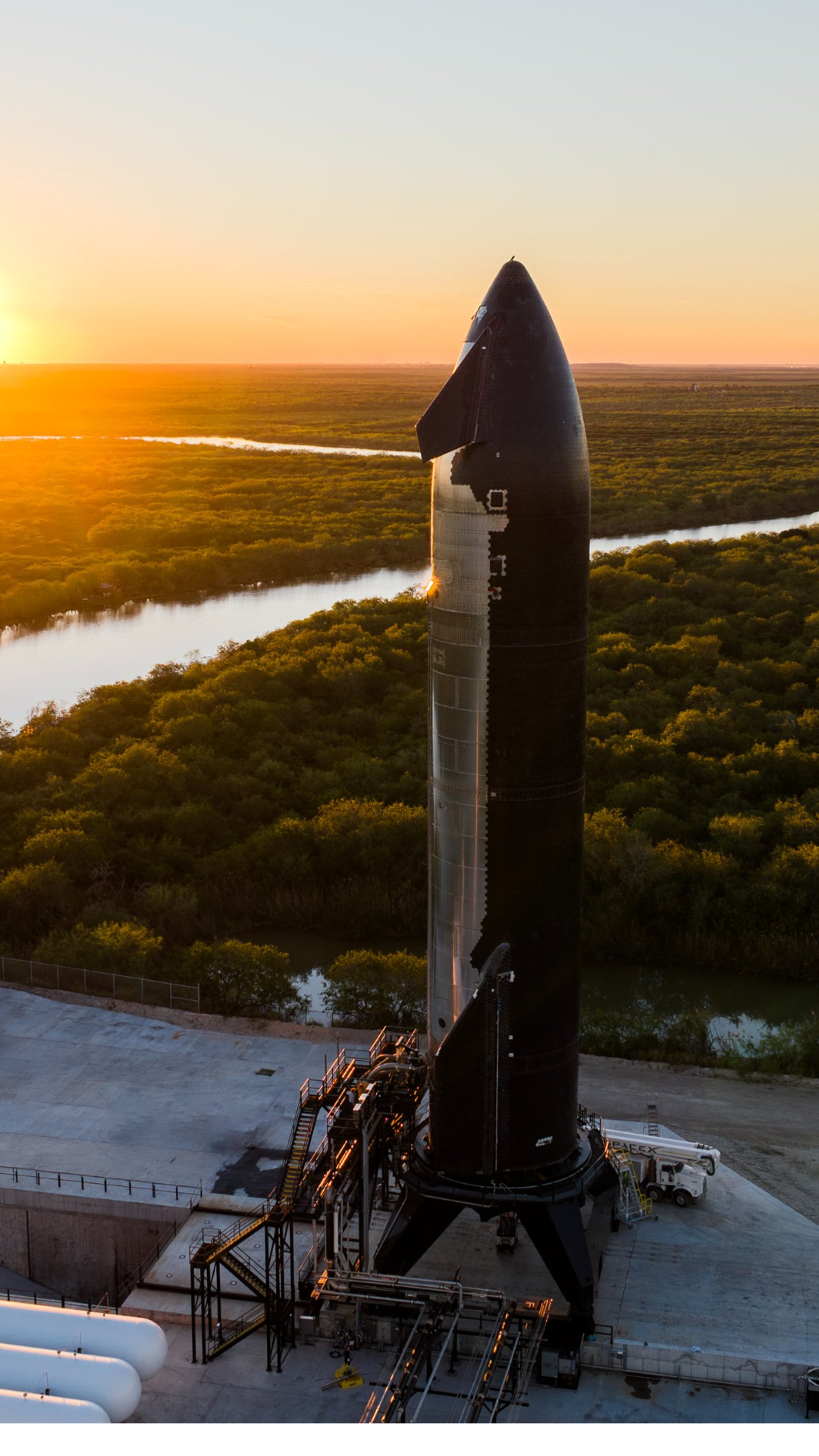
Greetings, space adventurers! 🚀 Today, we’re diving into an exciting aspect of SpaceX’s Starship: its unique “belly flop” maneuver during controlled descent. This technique, which may look a bit counterintuitive, is governed by several aerodynamic principles that allow Starship to safely navigate through the atmosphere. Let's unpack the science behind this fascinating maneuver! 🌌
Hey there, curious minds! 🤓 As Starship re-enters the atmosphere, it adopts a horizontal position, effectively resembling a giant wing! This configuration increases surface area and enhances aerodynamic drag, allowing the vehicle to slow down significantly. During re-entry, Starship’s descent speed can reach up to 25,000 miles per hour (about 40,000 kilometers per hour), and maintaining control during this phase is crucial for a successful landing. The belly flop maneuver helps to counteract this high speed by presenting a larger frontal area against the flow of air. ✨
Now, let’s talk about forces at play! When Starship enters the atmosphere, it experiences four primary aerodynamic forces: lift, drag, gravity, and thrust. 🌍 By maximizing drag while minimizing lift, Starship effectively slows its descent. The belly flop position helps manage this balance. Gravity pulls the vehicle downwards, but by positioning itself horizontally, Starship generates drag, allowing it to “float” like a feather to slow down significantly during descent.
What’s even cooler? 🌟 Starship’s flaps! Each of the large, movable aerodynamic surfaces on the vehicle plays an essential role in its controlled descent. These flaps can be adjusted to manipulate the vehicle's orientation and trajectory. By angling the flaps correctly, Starship can make fine adjustments to its descent path. These controlled movements help stabilize the spacecraft, allowing it to maintain a precise trajectory as it descends. That’s a stunning 8.5 g-forces at times—imagine the thrill! 💥
Hello, fellow science enthusiasts! 🧑🚀 Did you know that Starship’s descent takes place around 70,000 feet (approximately 21,300 meters)? At this altitude, atmospheric density increases, allowing the aerodynamic forces to be even more effective. As it gets closer to the surface, Starship transitions from the belly flop position to a vertical descent for landing. This transition is crucial, enabling the spacecraft to prepare for its flip and landing burn. The entire maneuver is executed with a precision that would make any pilot proud!
Moreover, the “belly flop” maneuver isn't just an artistic choice; it’s a strategic decision to reduce thermal stress on the vehicle during re-entry. By spreading out the heat across a broader area, Starship experiences fewer localized hot spots—an important factor for preventing damage to its Thermal Protection System (TPS). 🌡️
In summary, the aerodynamic principles governing Starship's belly flop maneuver are a brilliant blend of physics and engineering. By optimizing drag, managing lift, and using adjustable flaps, SpaceX has developed a descent strategy that keeps the spacecraft safe and ready for reusability. What an astonishing feat of human creativity and innovation! Until next time, keep your eyes on the skies! 🌠
#SpaceX #Starship #AerospaceEngineering #ControlledDescent
image credit: SpaceX
Humanize