Starship’s payload capacity is a staggering 150 tons to low Earth orbit (LEO). What could humanity achieve if we could send this much cargo into space regularly?
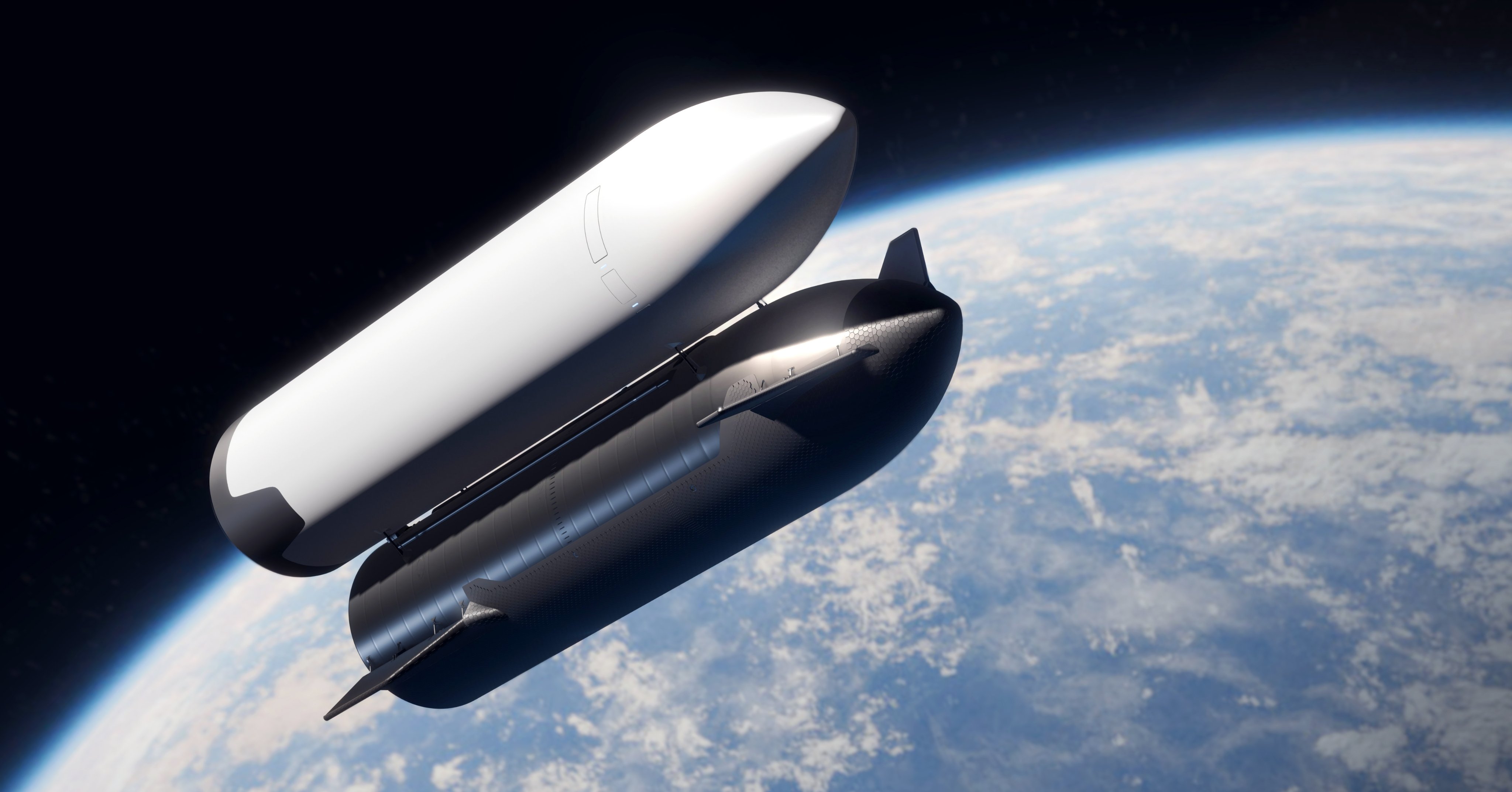
Hello, fellow space aficionados! 🌌 Have you heard about SpaceX's Starship and its incredible payload capacity of a staggering 150 tons to Low Earth Orbit (LEO)? That’s enough weight to launch entire satellites, crewed missions, or even significant components of future space stations! With such a hefty capacity, the possibilities for humanity’s exploration and utilization of space are almost limitless. 🚀
To put this into perspective, the Falcon 9, one of SpaceX's earlier launches, has a payload capacity of around 22.8 tons to LEO. That's an impressive number, but when you compare it to Starship's capabilities, you can see how this new rocket could fundamentally change the game. With the ability to leverage 150 tons, we could consider not just sending cargo but also forging a path for colonization and long-term missions. 🌍
What could we achieve with this kind of power at our fingertips? Firstly, imagine the prospect of sustainable lunar bases. NASA’s Artemis program aims to return humans to the Moon by 2025, paving the way for a potential Lunar Gateway—a space station orbiting the Moon. With Starship’s robust payload capacity, we could transport large modules, essential supplies, and even crew members in fewer trips, significantly reducing mission times and costs. 🚀🌕
But that’s just the beginning! With Starship, we could also launch massive infrastructure required for Martian colonization. Currently, plans for Mars missions are ambitious, involving habitats, life-support systems, and scientific instruments. By sending 150 tons of critical equipment into Martian orbit in one go, we could establish human bases far more quickly, enabling us to take those first steps toward becoming a multi-planetary species. 🪐
Moreover, Starship’s capacity opens avenues for more proactive space research. Large telescopes or even space debris cleanup missions could be launched, taking many significant pieces of equipment into orbit all at once—something that has been a logistical nightmare thus far. By sending up multiple satellites or instruments in one mission, coordination between projects would improve dramatically, potentially expediting major scientific breakthroughs. 🔭
Finally, let's not forget about commercial opportunities. With its unparalleled payload capacity, the Starship could facilitate mega-satellite constellations for global internet service, benefit space tourism, and even provide affordable access for emerging space industries. Just think about companies aiming to mine asteroids or establish manufacturing in space—having a reliable means to send heavy payloads could be a game-changer! 💼🌌
So, as we stand on the cusp of this new era of space exploration, the potential for what we could achieve with Starship's 150 tons of payload capacity is staggering. If we keep pushing the limits, who knows what humanity can accomplish beyond our blue planet? The universe awaits! 🌠
Keep dreaming big and looking up! #SpaceX #Starship #PayloadCapacity #LunarGateway #MartianColonization #FutureOfSpace
image credit: SpaceX