Starship’s estimated operational cost is $67 per kilogram of payload. How does this drastically reduce the price of launching cargo compared to competitors?
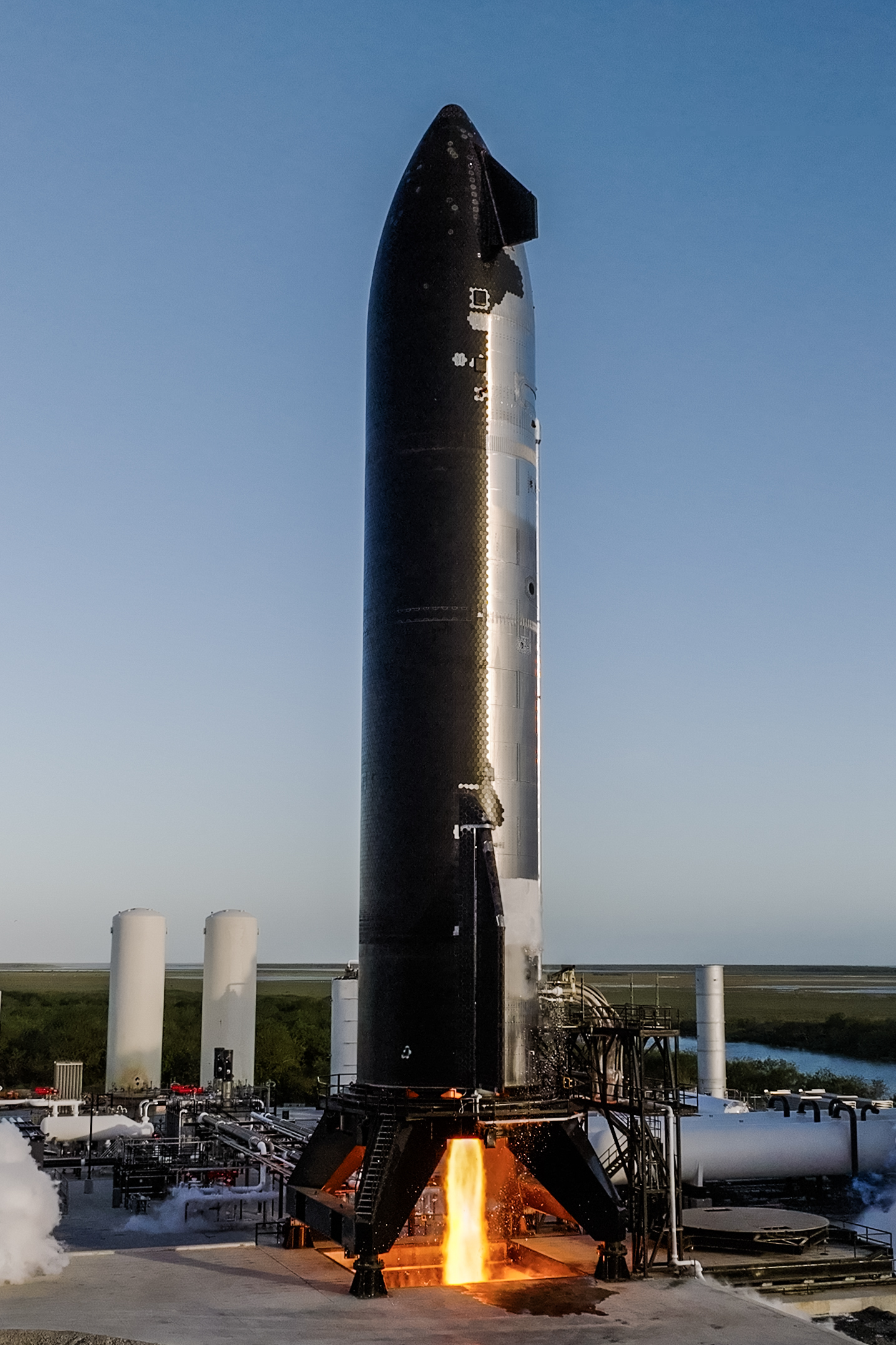
Title: Starship's Price Revolution: How $67 Per Kilogram is Redefining Space Cargo Costs
In the rapidly evolving realm of space exploration, SpaceX's Starship is not just a game-changer; it’s a price revolution. With an estimated operational cost of a mere $67 per kilogram of payload, Starship is poised to drastically alter the economics of launching cargo into orbit and beyond. How does this cost efficiency stack up against its competitors, and what does it mean for the future of space access? Let’s explore.
The Cost Breakdown: What Makes Starship So Affordable?
When it comes to launching cargo, traditional options have long been dominated by established players, with costs often exceeding $10,000 per kilogram. For instance, rockets like the United Launch Alliance’s Atlas V or Boeing’s Space Launch System have historically charged hefty premiums, which can add significant financial burdens to satellite operators, research institutions, and commercial businesses alike.
So, what sets SpaceX apart? A multifaceted approach to cutting costs underpins Starship’s affordability:
Reusability: Perhaps the cornerstone of SpaceX’s cost-saving strategy is its commitment to reusability. While most rockets are single-use, Starship is designed to be flown multiple times. By recovering both the first stage and the spacecraft itself, SpaceX can drastically reduce the expenses associated with building new hardware for each launch.
Mass Production: The company’s focus on manufacturing efficiencies means that Starship can be constructed at a lower cost. By utilizing advanced techniques and materials, SpaceX is able to scale up production while keeping the price point down.
Optimization of Payload Capacity: Starship is engineered to carry large payloads, allowing for a more economical use of fuel and resources. This high capacity offsets operational costs, making the price per kilogram significantly lower than that of smaller, less efficient rockets.
Competing in the New Era of Launch Costs
The implications of Starship’s $67 per kilogram pricing are profound. With such a dramatic reduction in launch costs, a plethora of new opportunities arise. Emerging companies can now afford to send satellites into orbit, research institutions have the means to conduct experiments in space, and innovators can launch new technologies with less financial risk.
For context, as competitors scramble to keep pace, let’s take a look at how their costs compare:
Ariane 5: Historically charging upwards of $10,000 per kilogram.
Atlas V: Costs can exceed $18,000 per kilogram.
Ariane 6: Estimated costs around $9,000-$11,000 per kilogram depending on payload.
As these figures illustrate, Starship's competitive pricing is not just a boon for SpaceX; it also shakes up the entire industry, pushing other launch providers to reevaluate their pricing models and consider new strategies aimed at reducing costs.
A Democratization of Space
But the financial implications of Starship's affordability reach far beyond just numbers on a balance sheet. By drastically reducing the price of launching cargo, SpaceX is democratizing access to space—a goal that resonates deeply with the company’s broader mission.
Small and medium-sized enterprises (SMEs) will find it easier to compete in the orbital marketplace. Universities can embark on research missions that were once prohibitively expensive. Startups can test new technologies without the crippling financial burden, developing groundbreaking innovations needed for our future.
This democratization of space might even catalyze a new wave of creativity and entrepreneurship, where visionary companies pursue projects like satellite internet constellations, lunar mining, and even interplanetary exploration.
The Future is Bright
As we look toward the future of space exploration and development, Starship’s cost efficiency sets the stage for a bustling activity in low-Earth orbit and beyond. With a ticket price of $67 per kilogram, SpaceX is fostering an environment where new ideas can flourish and where our collective aspirations to access space become increasingly tantalizingly close.
In conclusion, SpaceX’s Starship is not just a spacecraft; it’s a paradigm shift that will reshape the economics of space travel. With reduced launch costs, the floodgates of opportunity are wide open, ushering in a new era where the final frontier is more accessible than ever. Buckle up—the future is launching soon, and it’s priced for everyone.