Producing rocket fuel on Mars requires splitting CO2 and water. With Mars’ atmosphere being 96% CO2, what engineering challenges need to be solved?
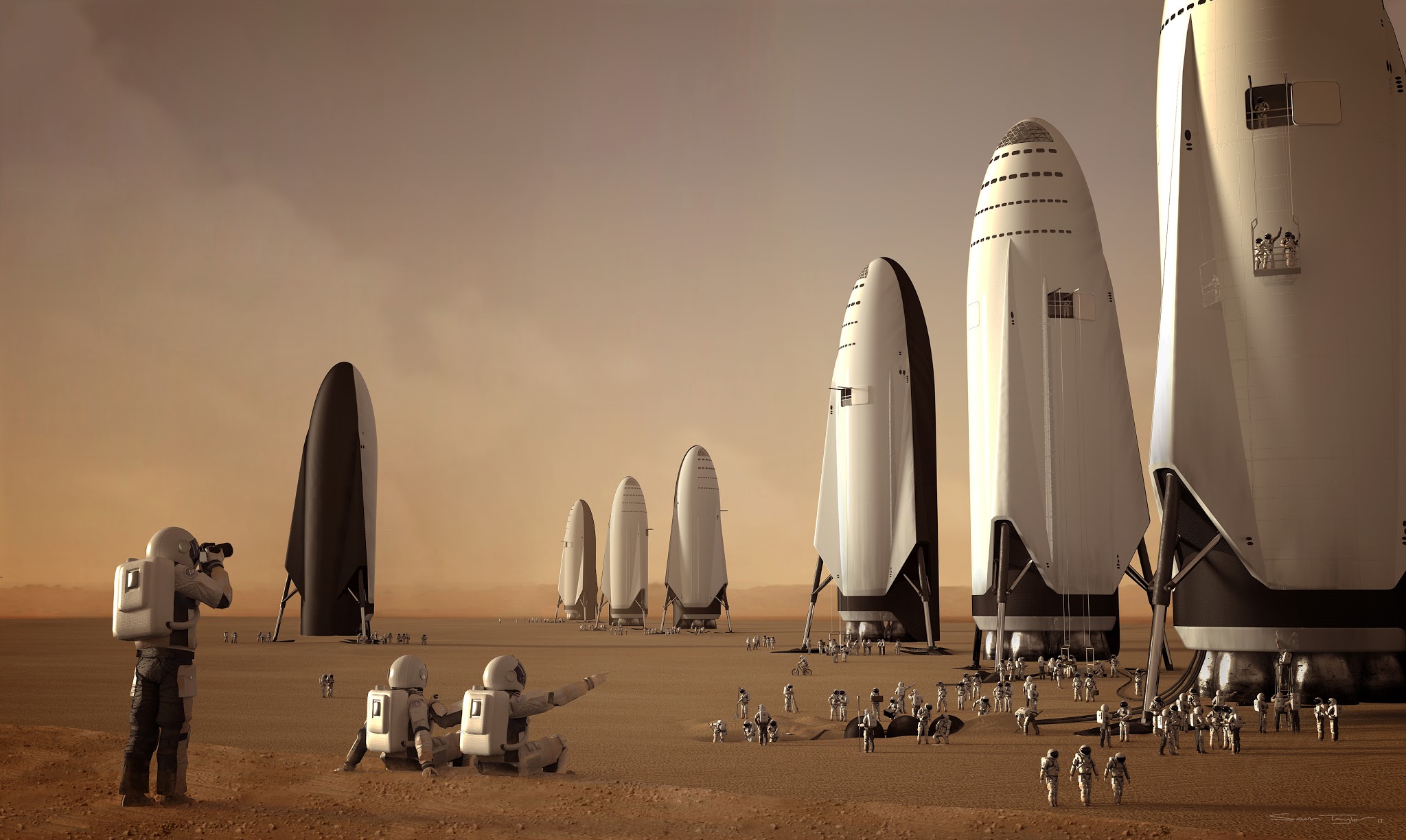
Hello, space explorers! 🌌 As we look toward the stars and dream of sending humans to Mars, a fascinating aspect of this endeavor is the possibility of producing rocket fuel directly on the Red Planet. By splitting carbon dioxide (CO₂) from Mars' atmosphere—comprising an impressive 96% CO₂—and combining it with water, we could harness the resources available on Mars for fuel. However, this ambitious plan comes with a set of significant engineering challenges. Let’s explore these hurdles together! 🚀
First, let's discuss the CO₂ extraction process. The most commonly proposed method for splitting CO₂ is through a process called electrolysis, which uses electricity to split molecules into components. The challenge here is that Mars has a much lower atmospheric pressure than Earth (just 0.6% of Earth’s), making it essential to develop specialized equipment that operates efficiently under Martian conditions. Engineers must design systems that can capture and concentrate CO₂ from the thin atmosphere, ensuring optimal extraction yields. 🛠️
Next, we must consider the water source. Water is another critical component in producing rocket fuel, typically through the electrolysis of H₂O, which generates hydrogen and oxygen. Although Mars has polar ice caps and evidence of subsurface water, accessing it won’t be straightforward. Engineers will need to devise methods for locating and mining these ice deposits while also finding efficient ways to melt them into liquid water form, ready for processing. 🌊
Another significant challenge revolves around energy. Producing rocket fuel via these methods is energy-intensive. Space missions often use solar panels, but Mars receives about 44% of the sunlight Earth does due to its greater distance from the Sun, which significantly limits energy extraction. Innovations in energy generation, such as nuclear power, may offer solutions for establishing a consistent and reliable energy supply to support these processes. ⚡
Moreover, engineers will have to consider the durability of machines in extreme Martian conditions. Temperatures can swing widely, reaching lows of about -125°C (-195°F) at the poles during winter. Systems that can withstand Martian dust storms and operate reliably over extended periods without frequent maintenance will be crucial for long-term fuel production. 🌪️
Finally, we cannot overlook the integration of these systems into a larger habitat for human explorers. The design must prioritize safety, scalability, and redundancy, ensuring that multiple strategies for fuel production are available in case of equipment failure. This flexibility may be vital for long-duration missions where resupply from Earth is impossible.
In conclusion, producing rocket fuel on Mars by splitting CO₂ and water presents an exciting yet formidable array of engineering challenges. From harnessing CO₂ in a thin atmosphere to securing water and ensuring energy supply, these hurdles will be pivotal in enabling sustainable human exploration of Mars. The solutions are out there, waiting to be developed! 🚀🌍
What do you think is the most exciting prospect of living and working on Mars? Share your thoughts below! #MarsMission #RocketFuel #SpaceEngineering #Sustainability #SpaceX
image credit: SpaceX