It takes 100 tons of cargo per year to support a self-sustaining Mars colony of 1,000 people. How many launches would Starship need annually to make this a reality?
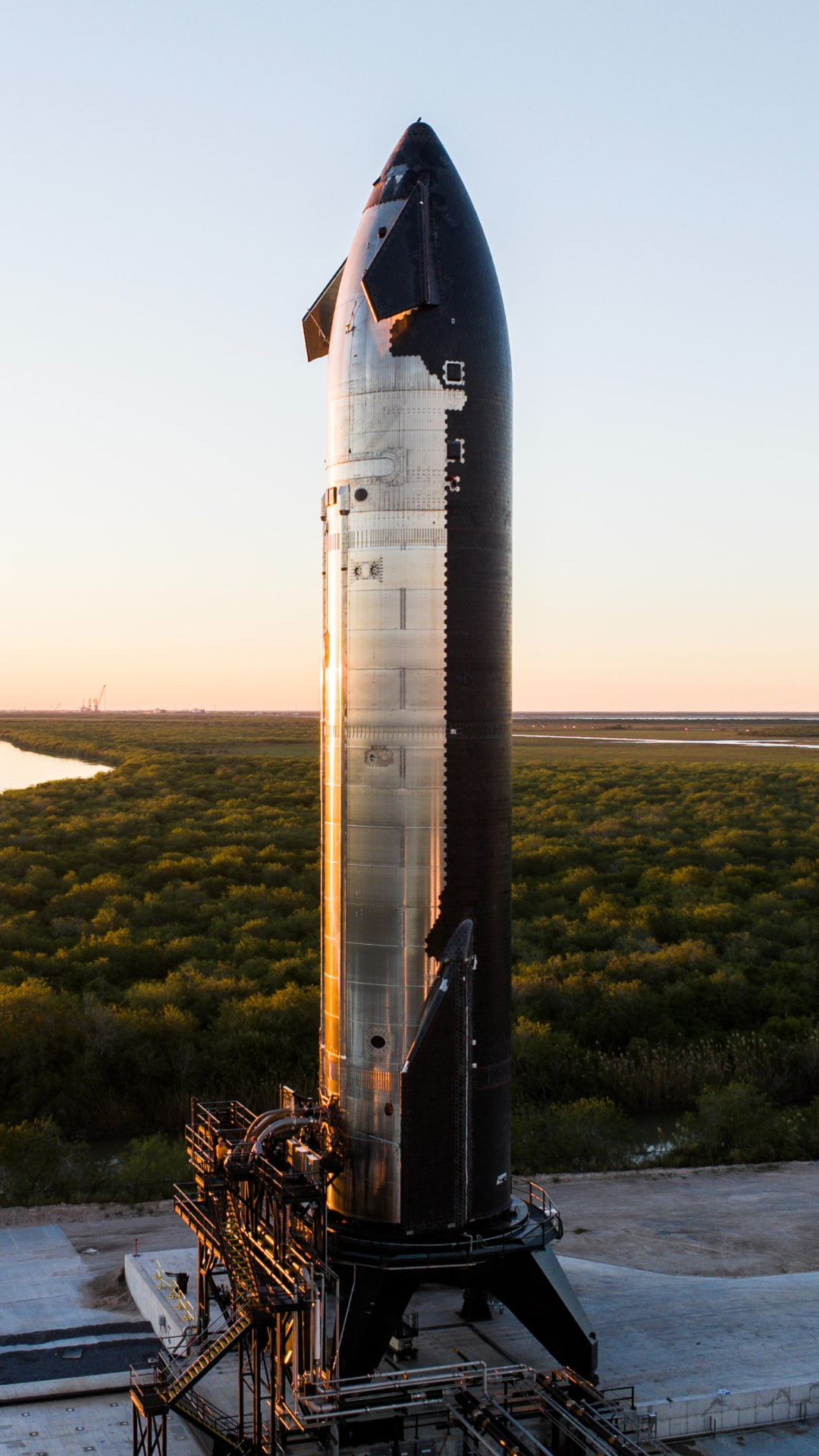
Hey there, space dreamers! 🌌 The idea of a self-sustaining Mars colony bustling with life is no longer just a pipe dream; it's a tantalizing possibility just over the horizon! Imagine a thriving community of 1,000 people living on the red planet, relying on the right resources to support their livelihoods. But here's the kicker: it takes a whopping 100 tons of cargo per year to sustain these Martian settlers. 🚀 So, how many launches would SpaceX’s Starship need to achieve this goal? Let’s dive into the numbers!
To get started, we need to understand the cargo capacity of Starship. The current model is designed to carry 100 tons (or roughly 100,000 kilograms) of cargo to low Earth orbit (LEO). This impressive capability means each Starship launch can transport a significant amount of supplies necessary for establishing and maintaining a colony.
Now, let’s break it down. If we need to deliver 100 tons per year to sustain a colony of 1,000 people, and each Starship can handle 100 tons in a single launch, we can determine how many launches are required:
Total Annual Cargo Requirement = 100 tons
Capacity per Starship Launch = 100 tons
Now, the math is straightforward:
Number of launches per year = Total Annual Cargo Requirement / Capacity per Starship Launch
Number of launches per year = 100 tons / 100 tons = 1 launch per year.
That means, if everything goes according to plan, SpaceX would need to conduct just one launch per year to support a self-sustaining Mars colony of 1,000 people! 🎉 But hold on—this is a very simplified view.
There are a plethora of variables to consider. For instance, what if the colony expands? More settlers would mean increased demand for resources like food, water, building materials, and equipment, which would all require additional launches. Furthermore, those launches would need to be meticulously planned to match Mars’ orbit and ensure minimal travel time and fuel consumption! 🌍
Additionally, factors like potential failures, maintenance of equipment, and unforeseen emergencies also come into play. It’s crucial to build a buffer beyond the basic need of 100 tons per year. Experts suggest that aiming for 3 to 5 launches annually could provide that necessary safety net, ensuring the colonists have ample supplies on hand and that reliving them won’t become a logistical nightmare! 📦
So, while the dream of a self-sustaining Mars colony is on the horizon, achieving this with just one launch per year is an optimistic goal. It’s part of a larger, more complex plan that includes fortifying human presence through continuous support, adaptation, and resource management on Mars.
As we embrace this new age of exploration, one thing shines clear: the journey to making a self-sustaining colony is just as important as the destination. Here’s to dreaming big and working together as we turn these visions into reality! 🌠
Thanks for coming along on this cosmic adventure! #MarsColonization #SpaceX #Starship #SustainableLiving #SpaceExploration
image credit: SpaceX