If the kinetic impactor technique failed to deflect Dimorphos, how would NASA have handled the results?
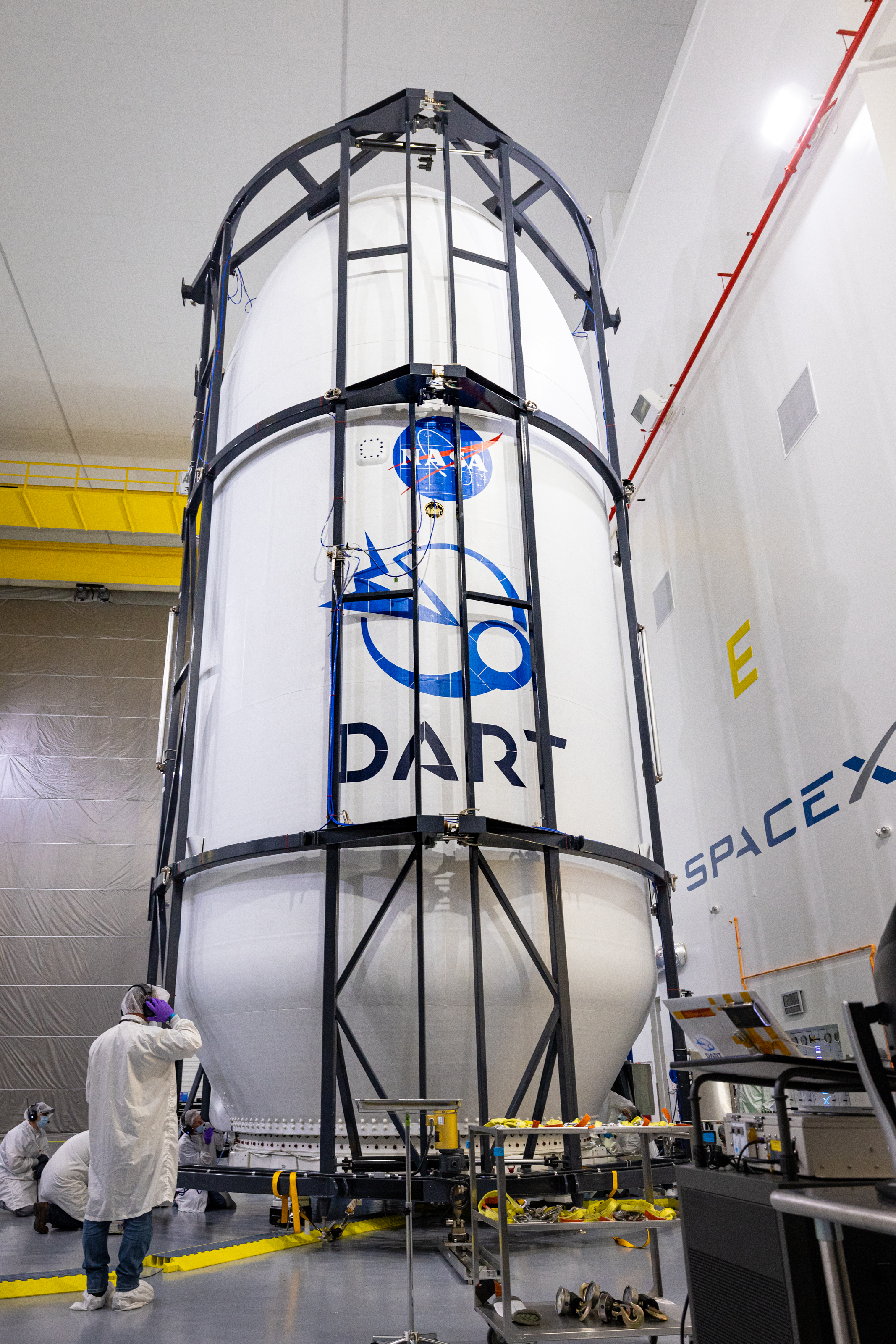
Hey there, space enthusiasts! 🌌🚀 Let’s talk about a thrilling and somewhat nerve-wracking topic: the kinetic impactor technique and what NASA’s contingency plans were if it had failed during the DART (Double Asteroid Redirection Test) mission that targeted Dimorphos. Grab a seat as we delve into the fascinating world of planetary defense!
On September 26, 2022, NASA's DART spacecraft successfully collided with Dimorphos, a moonlet orbiting the larger asteroid Didymos. The goal was to see if a kinetic impactor could alter the asteroid's trajectory by changing its orbit. 🎯 While the mission achieved a dramatic success—reducing Dimorphos's orbital period by about 33 minutes—let's explore what would have happened if it hadn’t.
The kinetic impactor technique hinges on the principle of momentum transfer. By crashing a spacecraft into an asteroid at high speeds—DART struck Dimorphos at about 14,000 miles per hour—scientists hope to nudge the asteroid off its course. However, there are numerous variables that could lead to mission failure, including an incorrectly calculated trajectory, the physical characteristics of the asteroid, or unforeseen orbital dynamics.
So, how would NASA have handled the situation if DART hadn't been successful? First and foremost, they would have conducted a thorough analysis of the failure. This would involve scrutinizing all telemetry and data collected during the mission. NASA has a rigorous post-mission review process to determine what went wrong and to learn from the experience, allowing them to refine future missions. 🔍📊
If there had been no observable change in Dimorphos's orbit, NASA would have shifted its focus towards more detailed observational campaigns using ground-based and space telescopes. They would continue monitoring Dimorphos from various observatories to gather more data about its interaction—essentially turning this challenge into an opportunity for extended research. Notably, because Dimorphos's orbit around Didymos is well-defined, ground-based radar observations could continue for years, giving astronomers ample time to analyze the asteroid’s characteristics.
Additionally, NASA could have convened an urgent review of planetary defense strategies. The failure of one method doesn’t spell doom for humanity; instead, it underscores the need for a diversified toolkit to combat potential asteroid threats. Alternatives like the gravitational tractor technique, which involves using a spacecraft's gravitational pull to gradually alter an asteroid's trajectory, would remain viable options. 🌠🚀
Of course, international collaboration would play a crucial role as well. Countries and agencies around the world, recognizing the shared risk posed by near-Earth objects, would likely come together to pool resources, knowledge, and strategies to address the challenge of asteroid defense.
In conclusion, while the DART mission was a resounding success, it’s essential to understand that NASA would have approached a failure with the same scientific rigor and collaboration that defines its endeavors. By learning from failures, space agencies can build a more resilient planetary defense strategy for the future.
What’s your take on the kinetic impactor technique? Have you followed the DART mission closely? Let’s chat in the comments! #PlanetaryDefense #DART #NASA #AsteroidImpact #SpaceExploration
(image credit: SpaceX)