If Falcon Heavy launches a crewed mission, what adaptations would be required for its payload fairing and life support systems?
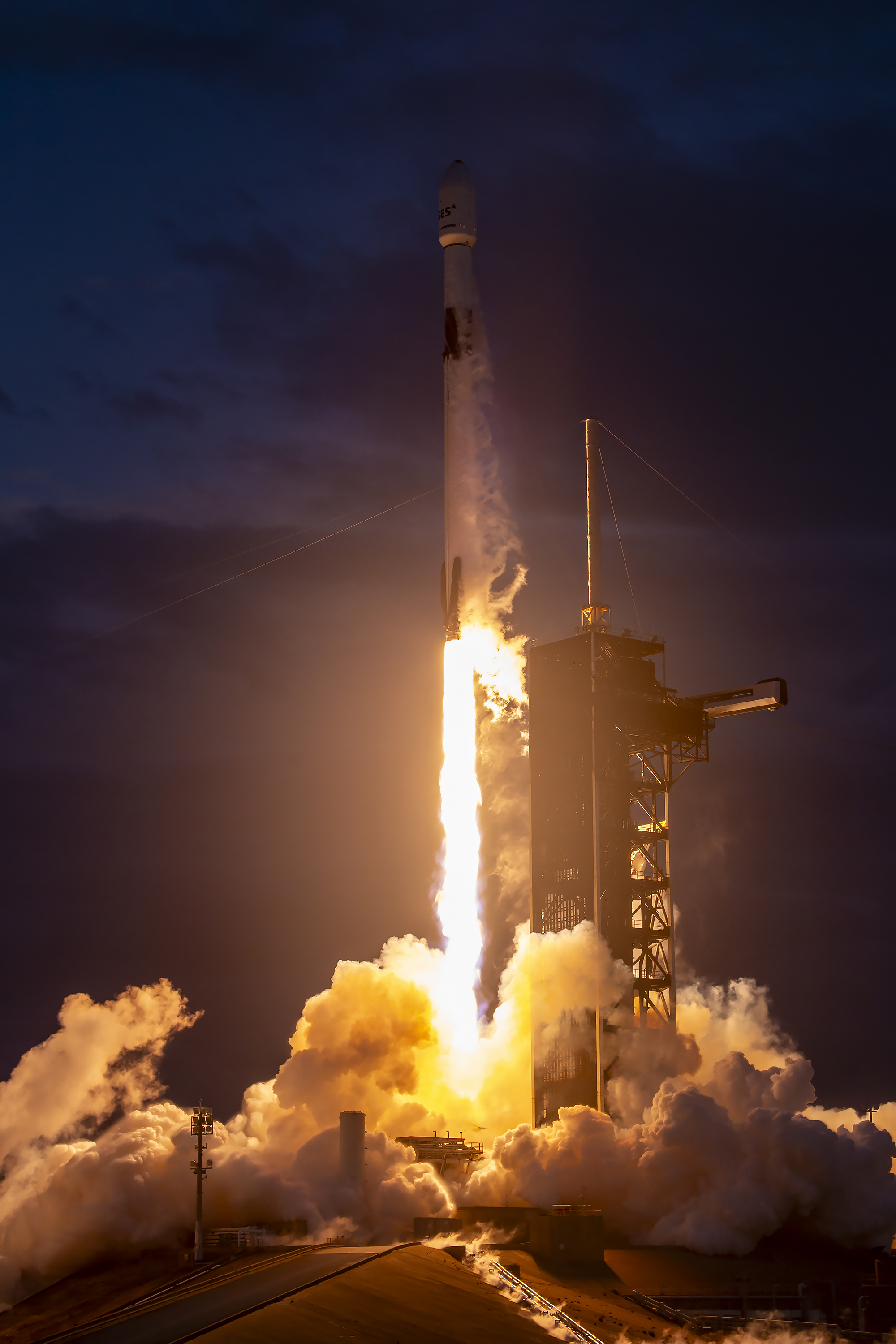
Hey there, space pioneers! 🌟 Today, we’re delving into a thrilling topic: the potential adaptations needed for SpaceX’s Falcon Heavy if it were to launch a crewed mission. As one of the most powerful rockets in existence, the Falcon Heavy delivers an impressive 63,800 kilograms (140,660 lbs) to low Earth orbit, but sending humans into space requires additional layers of safety and functionality. Let’s explore what modifications might be necessary, particularly focusing on the payload fairing and life support systems! 🚀
First off, let’s talk about the payload fairing. Currently, the Falcon Heavy’s payload fairing is designed primarily for small satellites and cargo missions. This fairing has a height of 13.1 meters (43 feet) and a diameter of 5.2 meters (17 feet), which is great for deploying payloads, but would need some adjustments for a crewed mission. For starters, the internal layout would require reinforcement to support both the weight of life support equipment and the safety requirements of a crewed capsule. SpaceX would likely design a custom fare that not only accommodates a crew capsule like the Crew Dragon but also incorporates an escape system in case of an emergency during ascent.
Moreover, the aerodynamics of a crewed mission are different. A wider fairing could offer better drag characteristics, providing improved performance during the launch phase. Another critical factor is ensuring that the fair