How would Starship handle a mid-trajectory engine failure during a Moon-to-Mars transfer—could its redundant systems prevent mission failure?
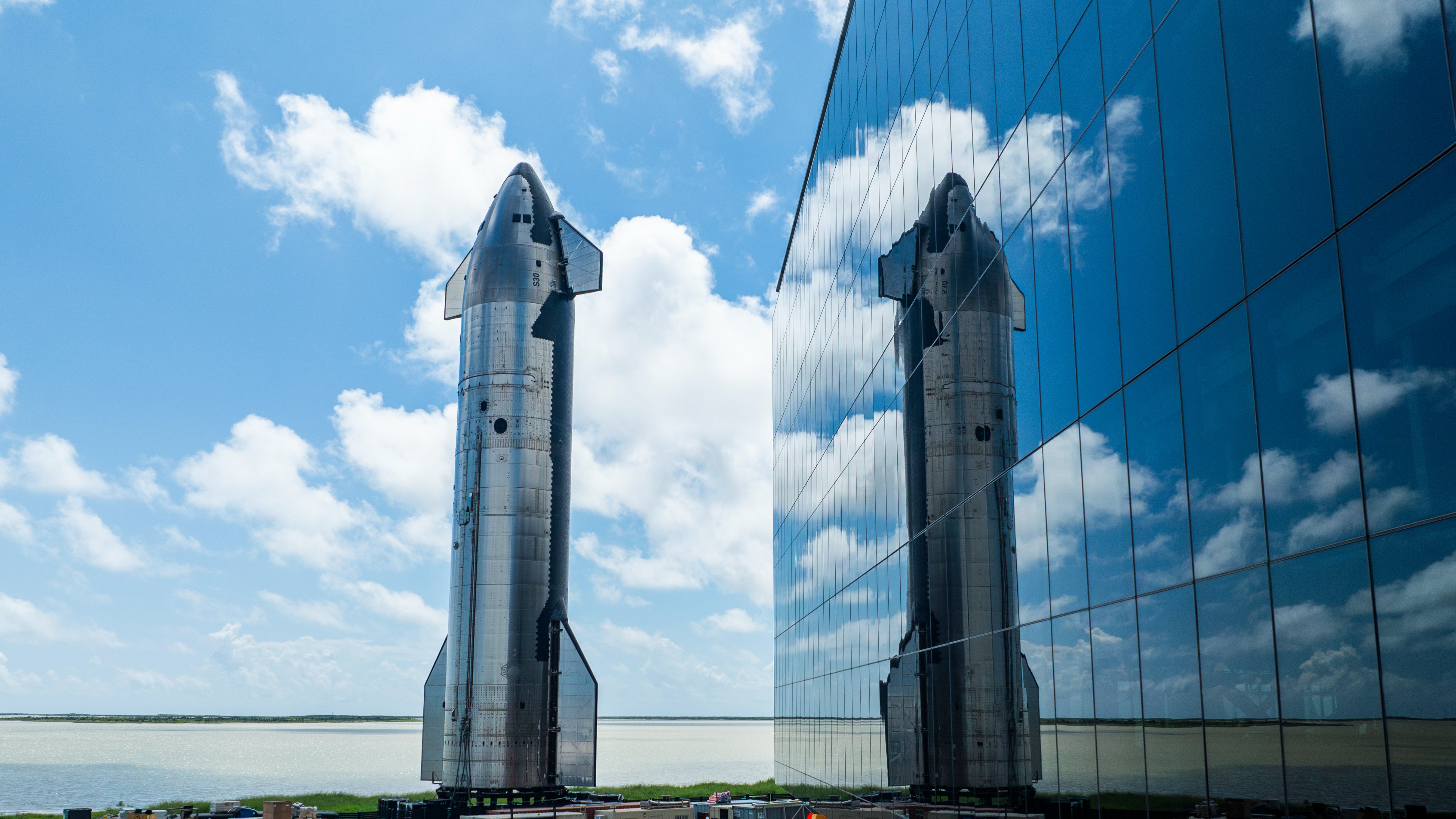
Hey there, space aficionados! 🌌 Today, we’re diving into a fascinating topic that raises a critical question: How would SpaceX's Starship manage a mid-trajectory engine failure during a Moon-to-Mars transfer? 🌙➡️🔴 And, importantly, can its redundant systems help prevent a potential mission failure? Let’s explore this together!
First, let’s set the stage. The Starship is designed to be a fully reusable spacecraft, capable of traveling deep into the cosmos—including ambitious missions like transferring humans from lunar orbit to Mars. This journey could take several months, so the stakes are incredibly high. Should an engine failure occur mid-trajectory when the Starship is hurtling through the void between the Moon and Mars, how would the crew and spacecraft cope with such a critical situation? ⚠️
To ensure safety and reliability, Starship employs a design philosophy centered on redundancy. Each Starship is equipped with six Raptor engines, which use a methane and liquid oxygen propellant combination. This setup is intentional; it means that even if one or more engines fail, the spacecraft can still maintain its trajectory and thrust. For instance, if an engine were to fail, the remaining five Raptor engines could compensate, allowing Starship to continue its journey.
Moreover, the redundancy doesn’t stop at the engines. Starship has a sophisticated suite of control systems and computer algorithms designed to manage and monitor performance throughout the flight. The vehicle features multiple flight computers that work together to ensure every aspect of the mission runs smoothly. In an engine failure scenario, the flight control system would quickly assess the situation and adjust the thrust output from the remaining engines to preserve stability and trajectory. This sort of rapid response is crucial given that the spacecraft could be traveling at speeds exceeding 17,500 miles per hour (28,000 kilometers per hour)! ⚡
But what about the backup options in more extreme cases? Starship is designed with the ability to return to Earth safely even in situations labeled as “fail operational." This means that if one engine fails, and there is still sufficient thrust remaining, astronauts could still execute maneuvers to redirect the vehicle back toward a safe landing area (like an ocean splashdown). Further, during the tranfer trajectory, the ship could potentially utilize its onboard maneuvering thrusters to maintain orientation and make slight trajectory adjustments. 🛠️
NASA’s Artemis missions will also provide invaluable data that could streamline further developments in the Starship system, augmenting its resilience through real-world application and feedback. Continuous testing will only improve redundancy and reliability, which is essential for deep space human exploration.
In the ever-evolving landscape of space travel, ensuring the safety of astronauts and the success of missions is paramount. With Starship’s advanced redundancy systems and engineering prowess, the risk of mission failure from a mid-trajectory engine failure could be significantly mitigated, showcasing SpaceX's commitment to safe interplanetary travel. 🚀✨
Until next time, may your dreams be as boundless as space itself! 🌠
#SpaceX #Starship #MoonToMars #EngineFailure #AerospaceEngineering
image credit: SpaceX