How might Starship’s fully reusable design impact the frequency of Moon missions in the coming decade?
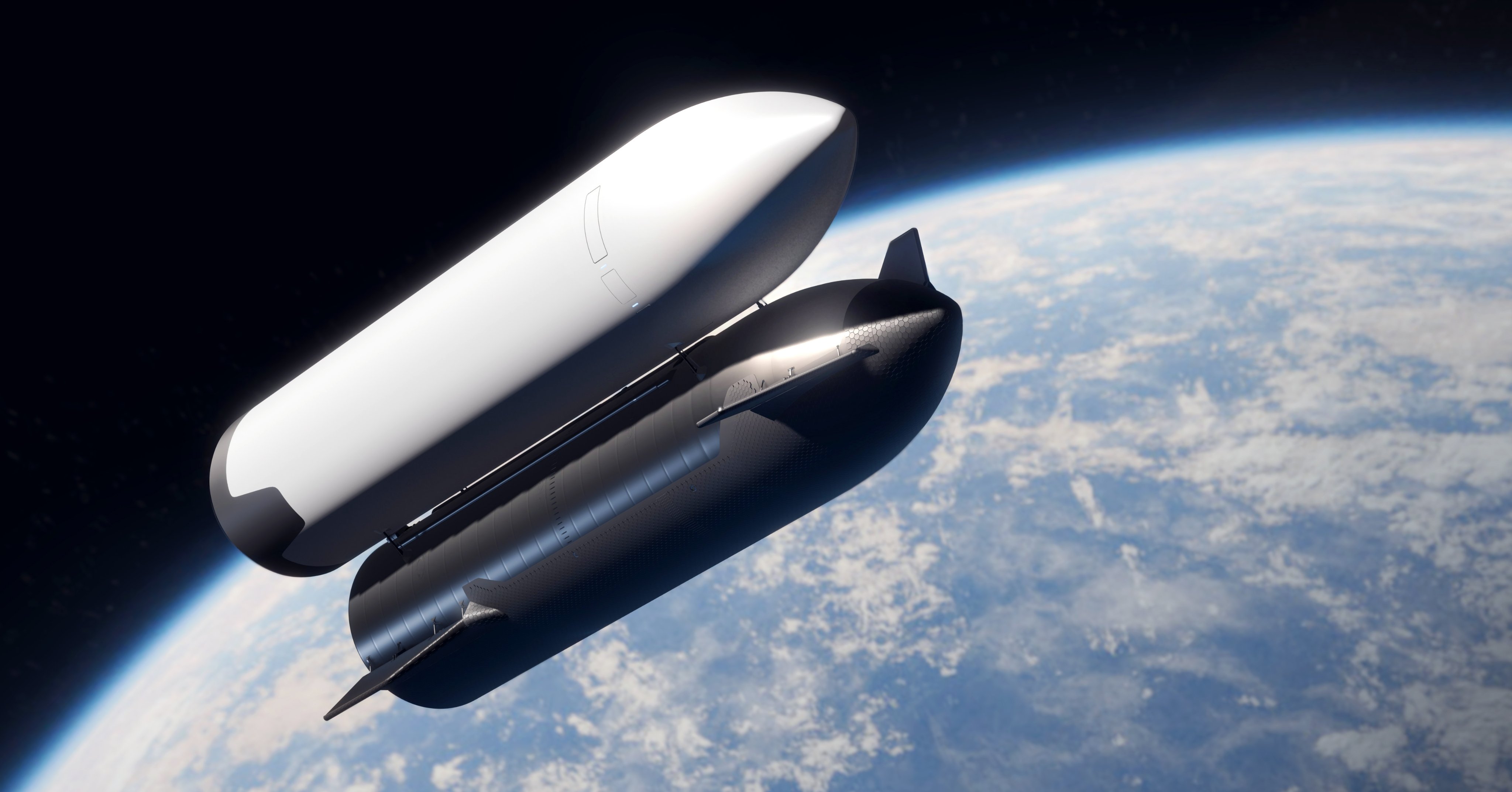
A New Era of Lunar Exploration: The Impact of Starship’s Fully Reusable Design on Moon Missions 🚀🌕
Hey there, space dreamers! As we look toward the next decade, the potential for lunar exploration is more exciting than ever, and SpaceX's Starship is poised to play a pivotal role. With its fully reusable design, Starship is set to transform the landscape of Moon missions, increasing their frequency and making lunar exploration more economically viable. Let’s dive into how this groundbreaking spacecraft is revolutionizing our journey back to the Moon! 🌌🌕
Starship is designed to be a game-changer, boasting a payload capacity of 100 metric tons (220,000 lbs). This immense capacity enables it to transport larger scientific payloads, equipment, and even crewed missions to the Moon at a fraction of the cost compared to traditional rockets. By significantly lowering launch costs—estimated to be as low as $2 million per mission—SpaceX is making lunar exploration accessible to more nations and organizations. This shift could lead to a sharp increase in the number of Moon missions, as new players enter the field. 💰🌍
The implications of using a fully reusable vehicle cannot be overstated. Currently, mission costs can soar to hundreds of millions of dollars; however, with Starship’s design, the rapid turnaround capabilities will allow for more frequent missions. SpaceX aims to have Starship operational for multiple flights within a 24-hour period, significantly increasing the cadence of lunar exploration. Imagine the logistical possibilities—space agencies could send multiple scientific teams to the lunar surface within weeks! 🛰️✨
Additionally, the potential for Starship to support long-term lunar presence adds another layer to its impact. NASA's Artemis program, which plans to return humans to the Moon by 2024, has projected landing astronauts on the lunar surface at least once per year. With SpaceX's Starship, future missions could increase to 3-4 per year, creating opportunities for robust scientific research, resource utilization, and technology testing for future Mars missions. This increase could contribute to a lunar base's establishment, essential for deeper space exploration. 🌙🔭
Moreover, with the Moon's growing importance as a platform for international collaboration, Starship enables various space agencies to partner on missions more easily. Countries like India and Japan, aspiring to explore the Moon, could leverage Starship’s capabilities for their own lunar objectives. A shared commitment to lunar exploration has been demonstrated, with global satellite industry revenues projected to reach $1 trillion by 2040, driven by advancements in space infrastructure and capabilities. 🌐🤝
In conclusion, Starship's fully reusable design is set to redefine the frequency of Moon missions in the coming decade. By drastically reducing costs and increasing launch frequency, SpaceX is positioned to facilitate unprecedented levels of exploration and collaboration. As we look to the stars and beyond, the Moon is just the beginning! Are you ready for this next giant leap? 🌠🌌
#Starship #MoonMissions #LunarExploration #NASA #SpaceX
image credit: SpaceX