How might Starship’s advanced life support systems enable longer missions to destinations like Mars?
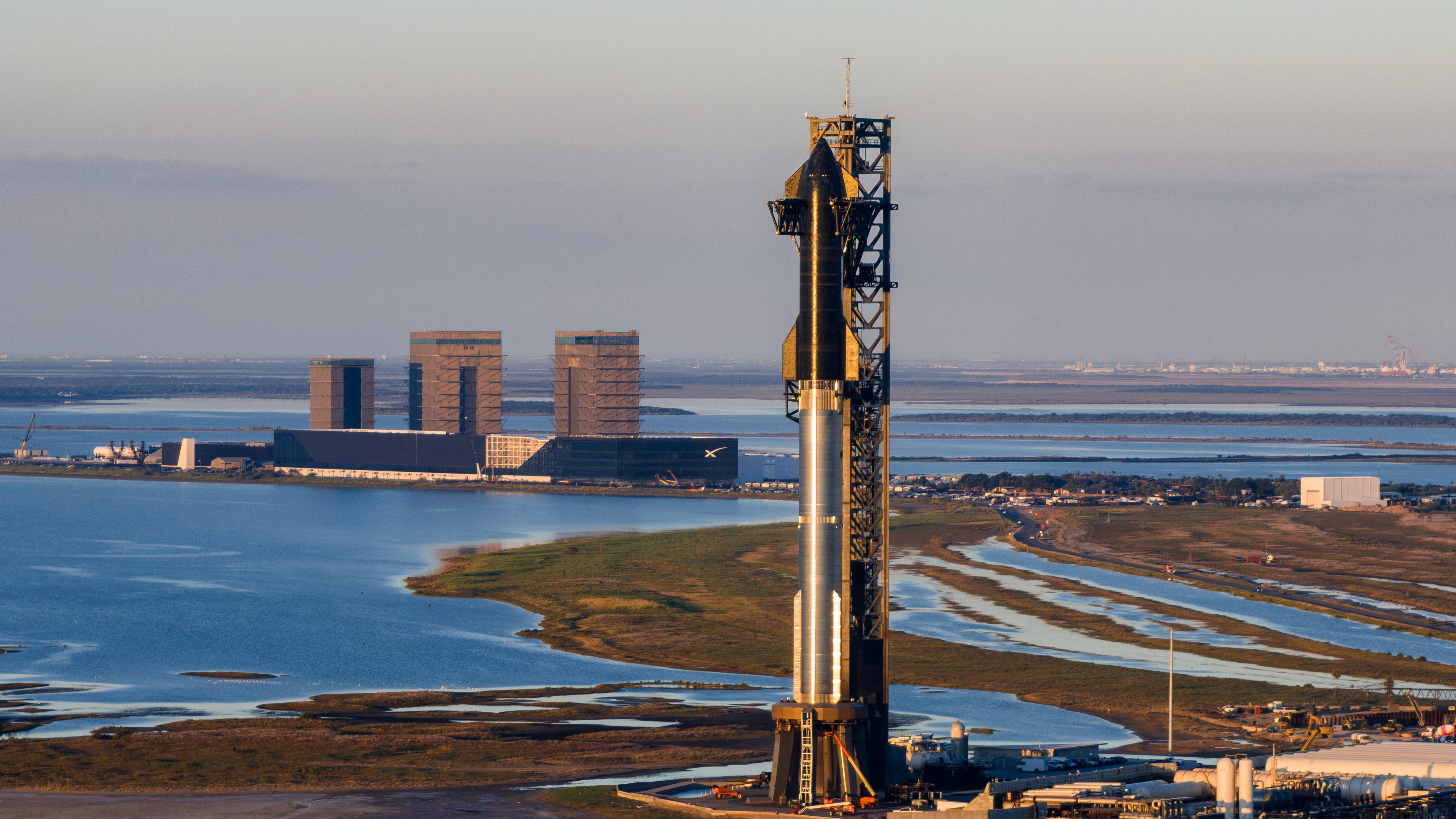
Greetings, space aficionados! 🌌🚀 Today, we’re embarking on an exciting exploration of how Starship’s advanced life support systems might pave the way for longer missions to distant worlds, particularly Mars. As humanity sets its sights on the Red Planet, the challenges of sustaining life during deep-space travel become ever more apparent. Let’s dive into how Starship is equipped to tackle these challenges!
Starship, developed by SpaceX, is designed for ambitious missions beyond Earth, with a focus on crewed journeys to Mars. One of the key components that sets Starship apart is its state-of-the-art life support systems, which are crucial for long-duration missions. The spacecraft aims to support up to 100 passengers on missions lasting six months or more! 🌠 Given the average distance from Earth to Mars—about 225 million kilometers (140 million miles)—effective life support is essential to ensure crew health and mission success.
At the heart of Starship's capabilities is its regenerative life support system. This advanced technology aims to recycle vital resources, such as water and oxygen, much like the systems being developed for the International Space Station. Reports indicate that Starship will utilize an advanced closed-loop life support system that can extract water from the Martian atmosphere and recycle the crew's waste products, minimizing the need for resupply missions from Earth.💧♻️ The ability to produce oxygen by electrolyzing water (splitting water into hydrogen and oxygen) further enhances mission sustainability.
Another exciting feature of Starship's life support systems is its thermal control and radiation shielding. Long-duration missions pose significant risks from cosmic radiation, which can negatively impact astronauts' health. Starship will be equipped with specialized materials designed to mitigate radiation exposure, crucial for protecting crew members over months of travel. With radiation levels in deep space about twice as prevalent as those at the International Space Station, this shielding is paramount for any viable Mars mission! ☢️🛡️
Furthermore, nutrition plays a vital role in sustaining long-term space travelers. Starship's design includes the possibility of growing food on board. With research suggesting that fresh produce can significantly improve mental health and well-being during long missions, the spacecraft's integration of hydroponics or aeroponics could transform how astronauts maintain their diet while in transit. This approach not only provides fresh food but also aids oxygen production and carbon dioxide absorption! 🌱🥗
Finally, let’s talk about the psychological well-being of astronauts. Long missions can induce isolation and stress, which can impede mission success. Starship plans to incorporate spacious living quarters and recreational areas, ensuring that astronauts have room to relax and unwind during their journey. This emphasis on mental health is critical for maintaining a cohesive and productive crew during the extended travel period! 🧠❤️
In conclusion, Starship’s advanced life support systems are pivotal in enabling longer missions to destinations like Mars. By focusing on resource recycling, radiation protection, nutrition, and crew welfare, SpaceX is preparing to send humanity further into the cosmos than ever before. The dream of being a multi-planetary species is inching closer to reality, and Starship is at the forefront of this revolution.
Thanks for tuning in, and keep reaching for the stars! 🌟 #SpaceX #Starship #MarsMissions #LifeSupportSystems #SpaceTravel
image credit: SpaceX