How is the Super Heavy booster different in design from the Falcon 9 booster?
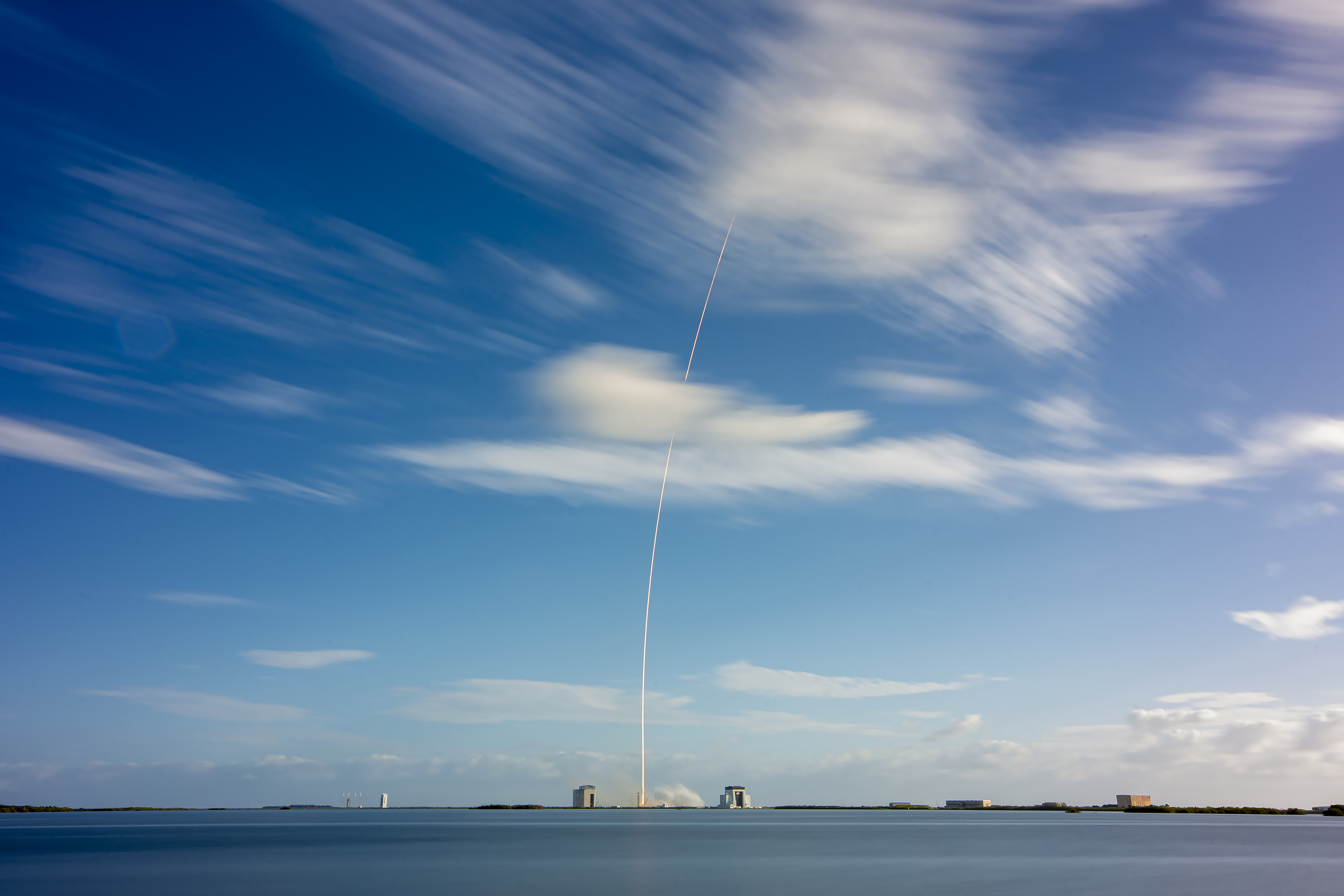
Hello, rocket enthusiasts! 🚀 Today’s topic is one that is sure to ignite your curiosity: how does the Super Heavy booster differ in design from the Falcon 9 booster? As SpaceX forges ahead in its quest for interstellar travel, understanding these designs can provide us a clearer picture of the future of space exploration. So, let’s launch into the details! 🌌
First off, let’s talk about size. The Falcon 9 booster stands at an impressive 70 feet (21 meters) tall and has a diameter of about 12 feet (3.7 meters). In contrast, the Super Heavy booster is a colossal structure, soaring to approximately 230 feet (70 meters) tall, and boasting a diameter of 30 feet (9 meters). This makes the Super Heavy more than three times the height of the Falcon 9! 😲 The sheer scale allows the Super Heavy to generate much more thrust, which is critical for lifting the massive Starship payload to orbit.
Now, let’s dive into the engines. The Falcon 9 is equipped with nine Merlin engines arranged in a unique octaweb configuration, providing a thrust of around 1.7 million pounds at liftoff. The Super Heavy takes it up several notches with its array of 33 Raptor engines, delivering a jaw-dropping thrust of approximately 16 million pounds! That’s over nine times the power of the Falcon 9! 🦸♂️ This design allows the Super Heavy to propel Starship into orbit, overcoming the higher gravitational forces involved in launching larger missions.
An important aspect of the Super Heavy’s design is its focus on rapid reuse. While the Falcon 9 does feature reusable boosters, the Super Heavy is specifically engineered for maximum refurbishability after each launch. SpaceX aims for the Super Heavy booster to be reused after just a few hours on the ground, enabling frequent and cost-efficient access to space. In fact, Elon Musk has hinted at the ambitious goal of reusing the Super Heavy for multiple missions within a single day! 🔄
In terms of materials, both boosters use a stainless steel structure, but the Super Heavy incorporates a heat shield made from reinforced materials to handle the intense heat and pressures during both ascent and landing. This design allows for more flexible flight profiles compared to the Falcon 9. Additionally, the Super Heavy’s grid fins, which help in guiding the booster during descent, are larger and more aerodynamic, designed to withstand higher velocities and improve landing accuracy. 🎯
Another notable difference is the recovery process. Falcon 9 boosters land on autonomous drone ships or are targeted for land recovery, while the Super Heavy’s design anticipates landing back at the launch site, using its powerful engines to engage in a propulsive landing similar to SpaceX’s existing recovery techniques but on a much larger scale. This is part of the company’s overarching goal to reduce space flight costs significantly. 🌍
In summary, the evolution from Falcon 9 to Super Heavy illustrates SpaceX’s commitment to pushing the boundaries of aerospace engineering. With enhanced size, thrust, and recovery capabilities, the Super Heavy booster is a groundbreaking step toward making interplanetary travel a reality. Thanks for embarking on this journey with me today! Until next time, keep dreaming big and shooting for the stars! ✨
#SpaceX #SuperHeavy #Falcon9 #RocketDesign #SpaceExploration
image credit: SpaceX