How does the use of methane (CH?) and liquid oxygen (LOX) in the Raptor Vacuum engine contribute to its performance, compared to other traditional rocket propellants like RP-1 or hydrogen? What benefits do these propellants provide for long-duration missions in the vacuum of space?
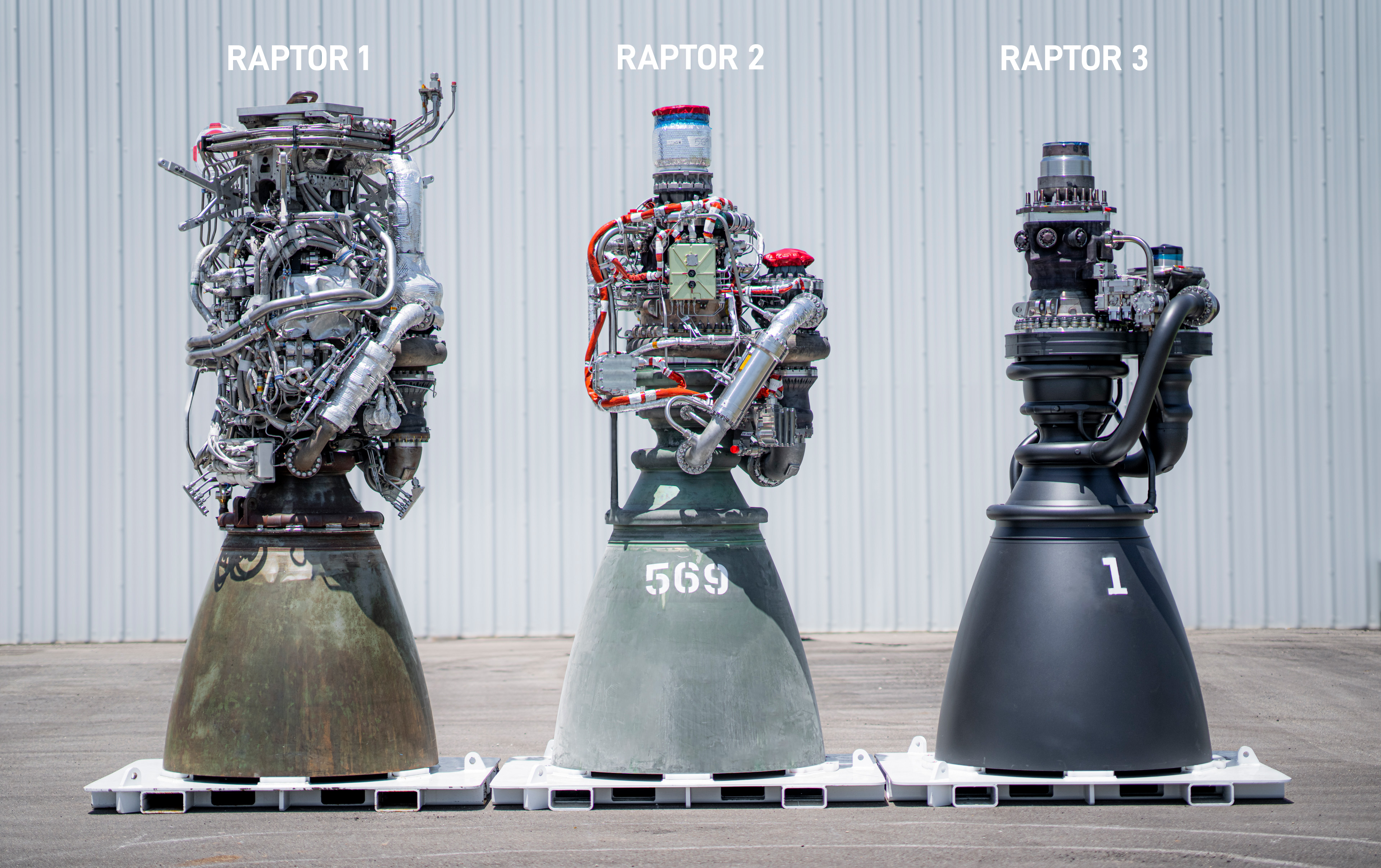
Title: Rocket Power Revolution: The Advantages of Methane and Liquid Oxygen in SpaceX’s Raptor Vacuum Engine
In the relentless pursuit of the cosmos, engineers and scientists are constantly exploring how to maximize rocket performance while minimizing payload costs and risks. Among the latest innovations, the Raptor Vacuum engine from SpaceX stands out, particularly due to its use of methane (CH₄) and liquid oxygen (LOX) as propellants. This combination is set to redefine what we know about rocket propellant capabilities—especially when compared to traditional options like RP-1 and liquid hydrogen.
So, why is the methane-LOX mix garnering so much attention? Let's unpack the performance benefits and advantages of these propellants, particularly for long-duration missions in the vacuum of space.
The Methane-LOX Advantage: Performance Redefined
At the heart of any rocket engine’s efficiency is the choice of propellants, and methane combined with liquid oxygen offers a winning formula. Here’s a look at a few key benefits this propellant pairing brings to the table:
1. Higher Efficiency in the Vacuum
One of the standout features of the Raptor Vacuum engine is its efficiency, quantified by its specific impulse (Isp)—a measure of how effectively a rocket propellant is converted into thrust. Methane and liquid oxygen deliver a particularly high Isp when burned in the vacuum of space. While RP-1 (a refined kerosene) has a specific impulse of around 250s-300s, and hydrogen can push up to 450s, methane and LOX comfortably sit in an optimal middle ground. They offer substantial performance without the extreme complexity associated with hydrogen.
This efficiency is crucial for missions that require extended travel times, as it allows spacecraft to carry less fuel while maximizing thrust. In simpler terms, it means more cargo, more science, and more opportunities for exploration.
2. Alluring Simplicity and Safety
While hydrogen offers remarkable performance, its cryogenic storage demands and propensity for embrittlement present design and safety challenges. Methane, on the other hand, is much easier to handle. It can be stored at higher temperatures and is less susceptible to issues of combustion and compatibility that have historically plagued hydrogen wants.
Additionally, since methane is less reactive than hydrogen, engineers can design more straightforward, safer storage systems. This simplification is particularly vital for crewed missions where safety is paramount.
3. In-Situ Resource Utilization
One of the most exciting benefits of methane is its potential for in-situ resource utilization (ISRU), particularly on Mars. Methane can be sourced from the Martian atmosphere, which holds carbon dioxide—making it feasible to produce methane through chemical processes once a crewed base is established. This could radically transform future missions by allowing spacecraft to refuel on other celestial bodies instead of carrying all the needed fuel from Earth.
4. Reduced Soot Production
Another noteworthy advantage is the clean-burning nature of methane compared to RP-1. Traditional kerosene engines produce significant soot, leading to maintenance challenges and reduced engine performance over time. The clean combustion of methane minimizes the buildup, allowing the Raptor Vacuum engine to maintain optimal performance over longer missions. This cleanliness reduces the frequency of maintenance and leads to cost savings over the lifespan of the engine.
5. Environmental Considerations
In an era when sustainability is becoming increasingly important, methane’s production and combustion can be more environmentally friendly than RP-1 or hydrogen. Innovations in methane sourcing and production processes can offer a pathway toward greener propulsion technologies, aligning with broader goals of sustainability within the aerospace industry.
Conclusion: Paving the Way for Future Exploration
As we stand on the brink of a new era of exploration, the advancements brought forth by SpaceX’s Raptor Vacuum engine are truly exciting. The combination of methane and liquid oxygen not only enhances performance but also offers tangible advantages for long-duration missions.
From higher efficiency and simplified operations to the potential for resource harvesting on Mars, the implications of this propellant choice extend far beyond theoretical discussions. As we eagerly anticipate upcoming missions into deep space, the innovations in propellant technology will undeniably play a pivotal role in human exploration of other worlds, ensuring we remain ever-curious and ever-expanding in the great cosmic frontier.
So, the next time you hear a rocket roaring to life, remember that it might just be powered by the very elements that could one day take us to the stars—and perhaps even back home again. The future is not just bright; it’s fueled by a clever mix of science and ingenuity!