How does the Starship's payload bay accommodate different mission profiles, from cargo to crew?
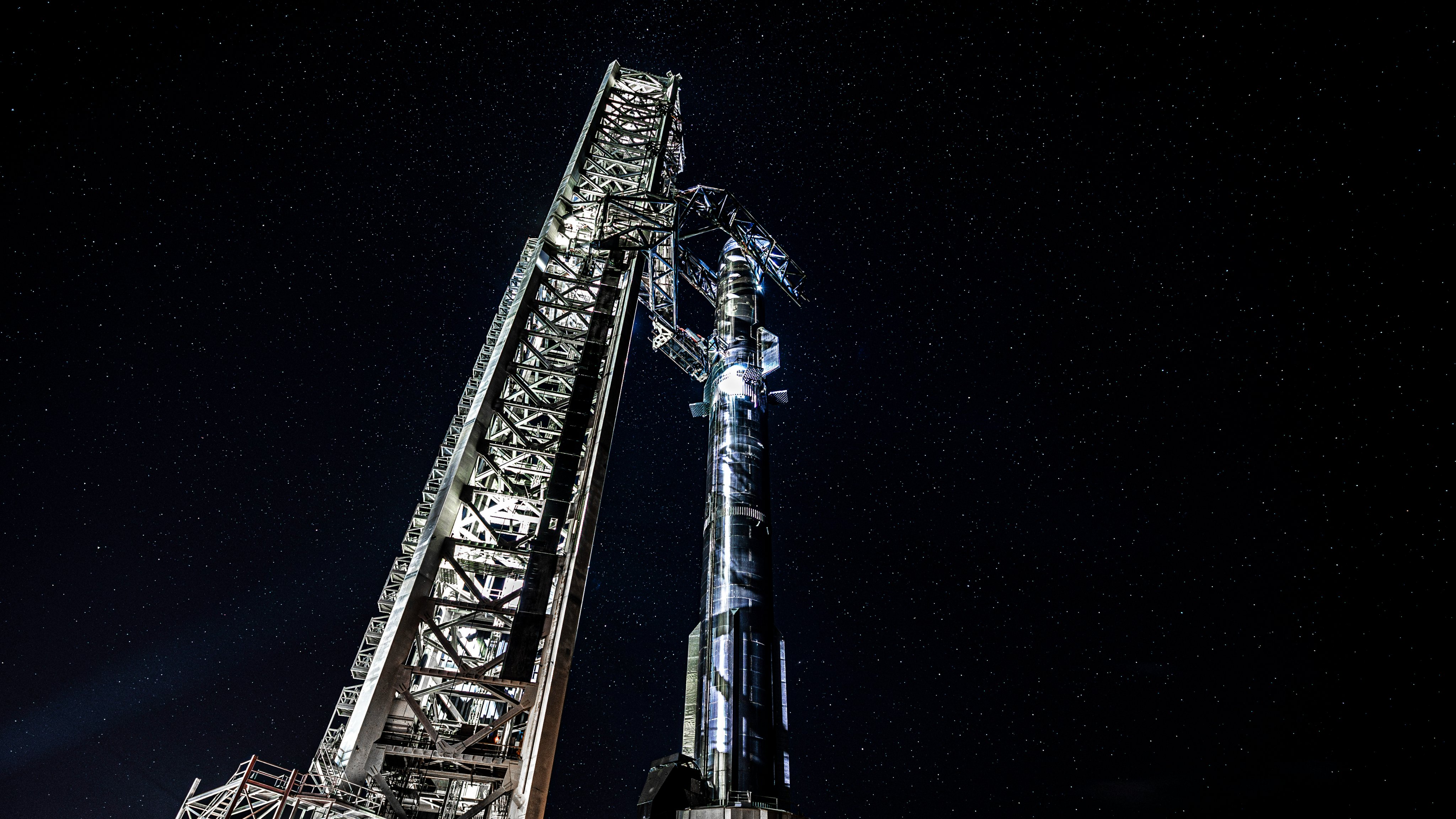
Hello, space aficionados! 🌌 Are you ready to delve into the wonders of SpaceX's Starship and its versatile payload bay? This engineering marvel is designed to accommodate an array of mission profiles, from launching vital cargo to transporting crews on interplanetary missions. Let’s unpack how this impressive spacecraft adapts to meet such diverse needs! 🚀
The Starship’s payload bay is a spacious area that measures about 7 meters (23 feet) in diameter and extends approximately 17 meters (56 feet) in length. This generous space provides ample room to host various payloads, whether commercial satellites, research equipment, or astronauts. A clear feature that sets Starship apart is its ability to modify the payload bay configuration based on specific mission requirements, which adds tremendous flexibility to its design. 🛠️
For cargo missions, the payload bay is equipped with an innovative cargo attachment system that secures different types of cargo ranging from massive satellites to small scientific instruments. The interior of the bay is designed to support a total mass of up to 100 metric tons, allowing companies to launch larger, heavier payloads into space. To protect sensitive equipment during transit, the payload area can be outfitted with customized fixtures, padding, and climate-control technologies, ensuring optimal conditions throughout the journey. 📦
When it comes to crewed missions, adaptability is key! The payload bay can be reconfigured to accommodate crew cabins, life support systems, and other essential amenities. SpaceX designs these crew habitats to support up to six astronauts while maintaining essential features like air circulation, temperature control, and radiation shielding. This functionality is vital for long-duration missions, which could involve travel to Mars, for instance. With a range of systems onboard, the Starship can sustain a crew with approximately 800 cubic feet of habitable space. 🌠
One of the standout features of the Starship's payload bay is its modularity. By using interchangeable modules, SpaceX can quickly adapt the bay for differing mission profiles. For instance, a mission to deploy a constellation of satellites will require different configurations than a crewed mission to the Moon or Mars. Items like research laboratories or payload lockers can be swapped in or out, allowing for rapid turnaround between missions with vastly different requirements. 🗺️
Additionally, the Starship's payload bay features a state-of-the-art cargo loading and unloading system. This automated technology minimizes the manual effort required and ensures a seamless transition of payloads from ground facilities to orbit. With automated systems, the payload bay maximizes efficiency and reduces the associated logistical challenges, leading to faster and more cost-effective space missions. 📈
In summary, the versatility of Starship's payload bay is one of its most impressive aspects. With its spacious design, adaptable configurations, and advanced technology, this spacecraft is engineered not just to launch but to excel in various mission profiles—be it cargo, research, or crewed exploration. As we venture into the final frontier, the adaptability of the Starship ushers in a new era of space exploration and commercial opportunities! 🚀✨
Thanks for joining me in exploring the innovative adaptability of the Starship's payload bay! Here’s to the future of space travel! #SpaceX #Starship #PayloadBay #SpaceExploration #Innovation
image credit: SpaceX