How does the starship’s life support system handle carbon dioxide removal in confined spaces?
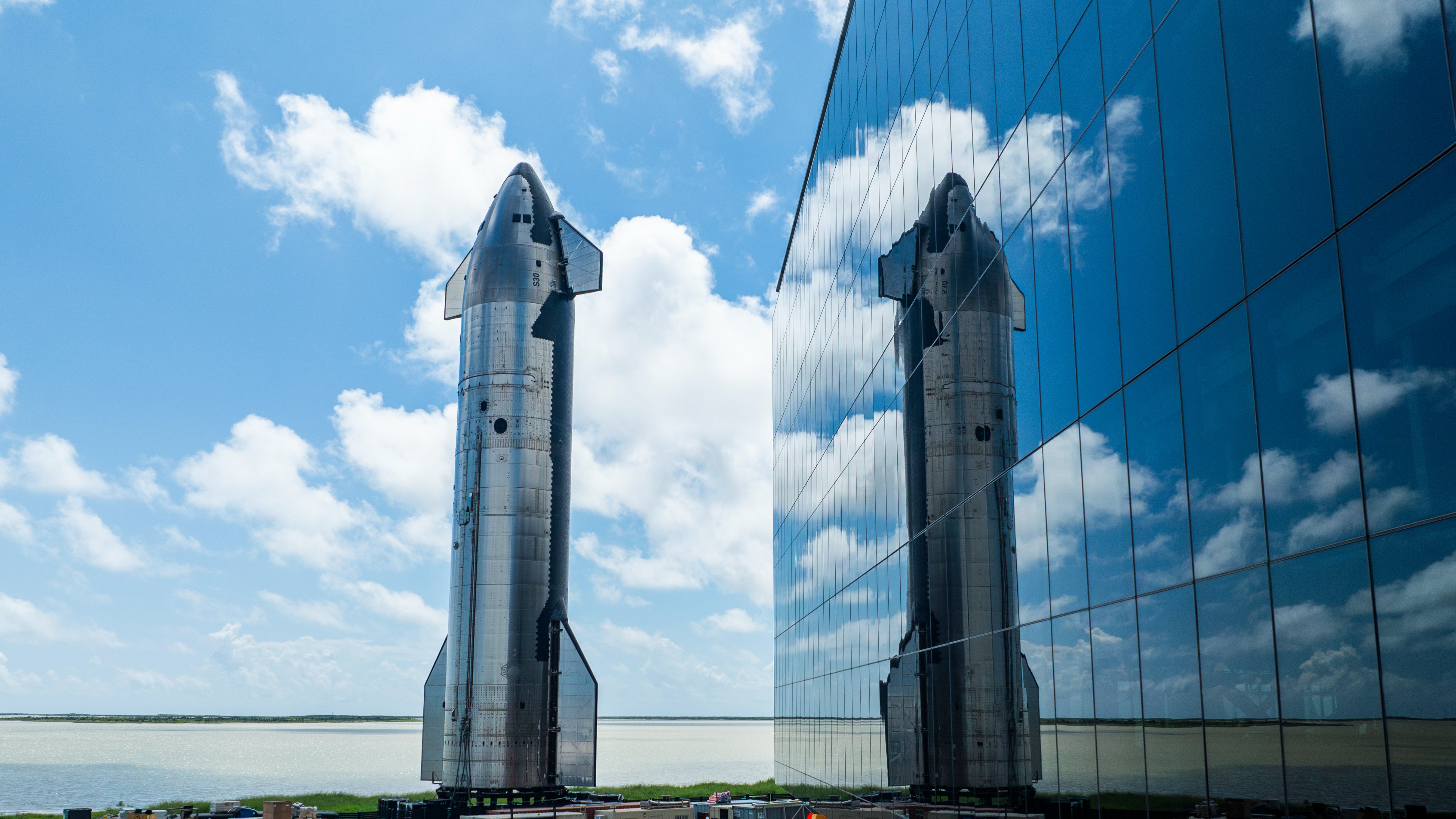
Hello, fellow space explorers! 🚀👋 Today, we're venturing into the essential workings of a starship’s life support system, specifically focusing on one of its most crucial functions: carbon dioxide (CO₂) removal. Given that a starship operates in the confined spaces of deep space, understanding how it manages CO₂ levels is vital for ensuring the safety and well-being of astronauts. Let’s dive into this fascinating topic! 🌌🔍
Hey there, space aficionados! 🌠🧑🚀 The average human being exhales about 1 kg (2.2 lbs) of CO₂ every day, and in the claustrophobic quarters of a starship, this accumulation can become a serious health risk. High concentrations of carbon dioxide can lead to headaches, dizziness, and in extreme cases, unconsciousness. NASA considers every crew member must have a breathable atmosphere that limits CO₂ levels to no more than 0.5% at any given time during missions. Keeping levels steady is therefore essential! 🌬️⚠️
What’s up, fellow astronauts? 🚀🔧 So, how does a starship tackle this challenge? Modern life support systems employ several methods for CO₂ removal, with the primary technology being chemical scrubbers. One popular option is the sodium hydroxide scrubber, which absorbs CO₂ through a chemical reaction. The reaction converts the CO₂ into sodium carbonate, effectively removing it from the air. It’s a mission-critical operation, especially on long-haul flights! 🧪🌌
Hi there, curious minds! 💡🤖 Another innovative system in CO₂ control is the MOXIE (Mars Oxygen In-Situ Resource Utilization Experiment) developed for future Mars missions. MOXIE can convert carbon dioxide from the Martian atmosphere back into oxygen using a process called solid oxide electrolysis. This technology could be adapted for starship use, enabling a continuous supply of breathable oxygen while removing CO₂. It’s a game-changer in the quest for sustainable space travel! 🔋🌌
Did you know, explorers, that astronauts are also involved in monitoring their environment? 🚀👨🚀 Life support systems are equipped with sensors that continuously monitor CO₂ levels, alerting crew members if concentrations exceed safe limits. The International Space Station (ISS) has redundancies built into its life support systems, capable of switching to alternative methods for CO₂ removal if the primary ones fail. A safety net of this caliber is vital for the team's survival during extended missions! 📊🔒
In conclusion, managing carbon dioxide removal in the confined space of a starship is a complex but crucial task. From chemical scrubbers to innovative technologies like MOXIE, life support systems constantly ensure that astronauts breathe easy amidst the boundless cosmos. As humanity continues its journey into outer space, understanding and optimizing these critical subsystems will be key to our success! 🌌✨
#SpaceX #LifeSupport #CarbonDioxideRemoval #SpaceExploration #Astronauts #MOXIE #SustainableSpaceTravel
Image credit: SpaceX