How does the Starship Super Heavy booster achieve rapid detachment and return for reuse?
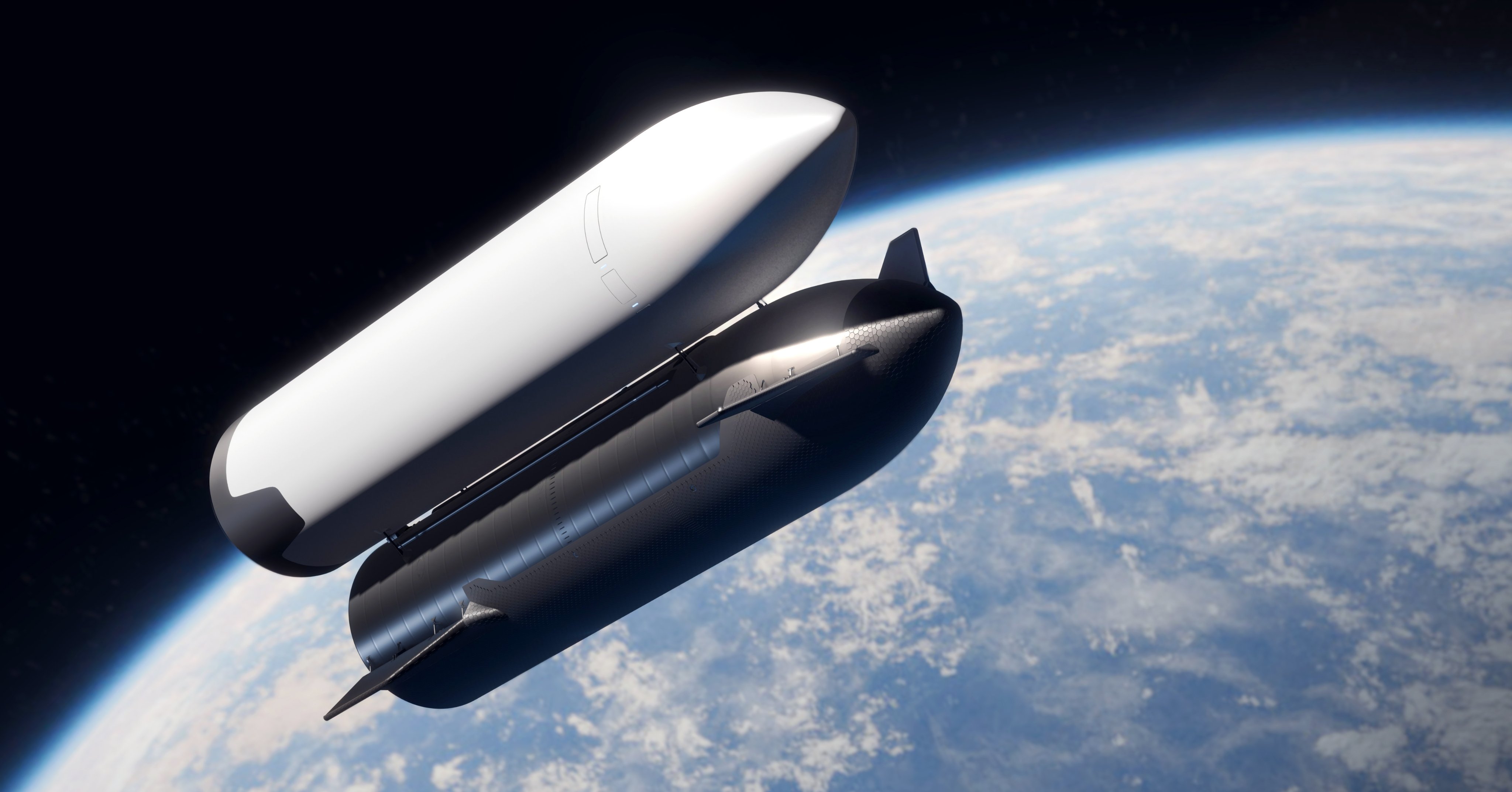
Hello, Space Explorers! 🌌 Buckle up, because today we’re diving into the fascinating world of the Starship Super Heavy booster, a key player in SpaceX's mission to make space travel more sustainable. Have you ever wondered how this mammoth booster achieves rapid detachment and manages to return for reuse? Let’s explore the engineering marvels behind this process! 🚀
The Basics of Super Heavy
The Super Heavy booster stands at an impressive height of about 70 meters (230 feet) and boasts 33 Raptor engines! These engines produce a staggering total of 16 million pounds of thrust—more than any other rocket currently in operation! Designed to lift the future Starship spacecraft, the Super Heavy is crucial for missions carrying both crew and cargo to destinations as ambitious as Mars. But as much as we admire the power of this booster, it’s equally impressive how it detaches and returns safely to Earth. 🌍
Rapid Detachment: The Science Behind It
During a typical launch, the Super Heavy booster operates alongside the Starship for the first stage of ascent. At about 2-3 minutes into the flight, and when the booster has reached an altitude of approximately 65 kilometers (about 40 miles), it’s time for the booster to separate. The detachment process is carefully orchestrated using sequentially timed commands that control engines’ performance.
As the booster fires its engines to maintain thrust, a series of grid fins deploy. These four-carbon composite grid fins, which take inspiration from aircraft technology, help stabilize and steer the booster as it returns through the atmosphere. This rapid detachment is crucial; it occurs while traveling at speeds over 4,000 km/h (2,500 mph)! Those milliseconds during separation are critical for ensuring the Starship is safely on its path while the booster prepares for its return. 🕑
Returning for Reuse: The Journey Back
After separation, the Super Heavy directly enters the “boostback burn” phase, where engines fire in the opposite direction to slow down the booster. This burn is key for redirecting the booster back to a pre-determined landing zone, typically just offshore in the Gulf of Mexico or a landing pad on land. SpaceX aims to have the booster touch down about 8 minutes after launch! 🚁
Reentry and Landing
Once the booster reenters the Earth's atmosphere, it faces extreme thermal and aerodynamic forces. The grid fins once again come into play, maneuvering the booster to maintain stability during descent. SpaceX uses a combination of engine burns and aerodynamic surfaces to control the booster’s speed and angle of descent. The final landing burn occurs at about 10 meters (33 feet) above the ground, where the engines throttle back up again to allow for a soft touchdown! 🛬
The Vision for Sustainability
By designing the Super Heavy for quick reuse, SpaceX aims to reduce the costs of space travel significantly. Each booster is expected to fly up to 100 times! Think about it—this strategy might just change the dynamics of getting to space. In fact, rapid reuse could help drive the costs down to just a few million dollars per launch! 💰
In Conclusion: A New Era of Space Exploration
The Super Heavy booster stands as a testament to the advancements in rocket technology and engineering ingenuity. With its ability to rapidly detach and return safely for reuse, SpaceX is not only opening up possibilities for space exploration but also paving the way for a sustainable future in the cosmos. 🌌
Thanks for tuning in to explore the incredible journey of the Super Heavy booster with me! Until next time, keep dreaming and looking toward the stars! ⭐
image credit: SpaceX