How does the stage separation mechanism of the Falcon 9 work during launch?
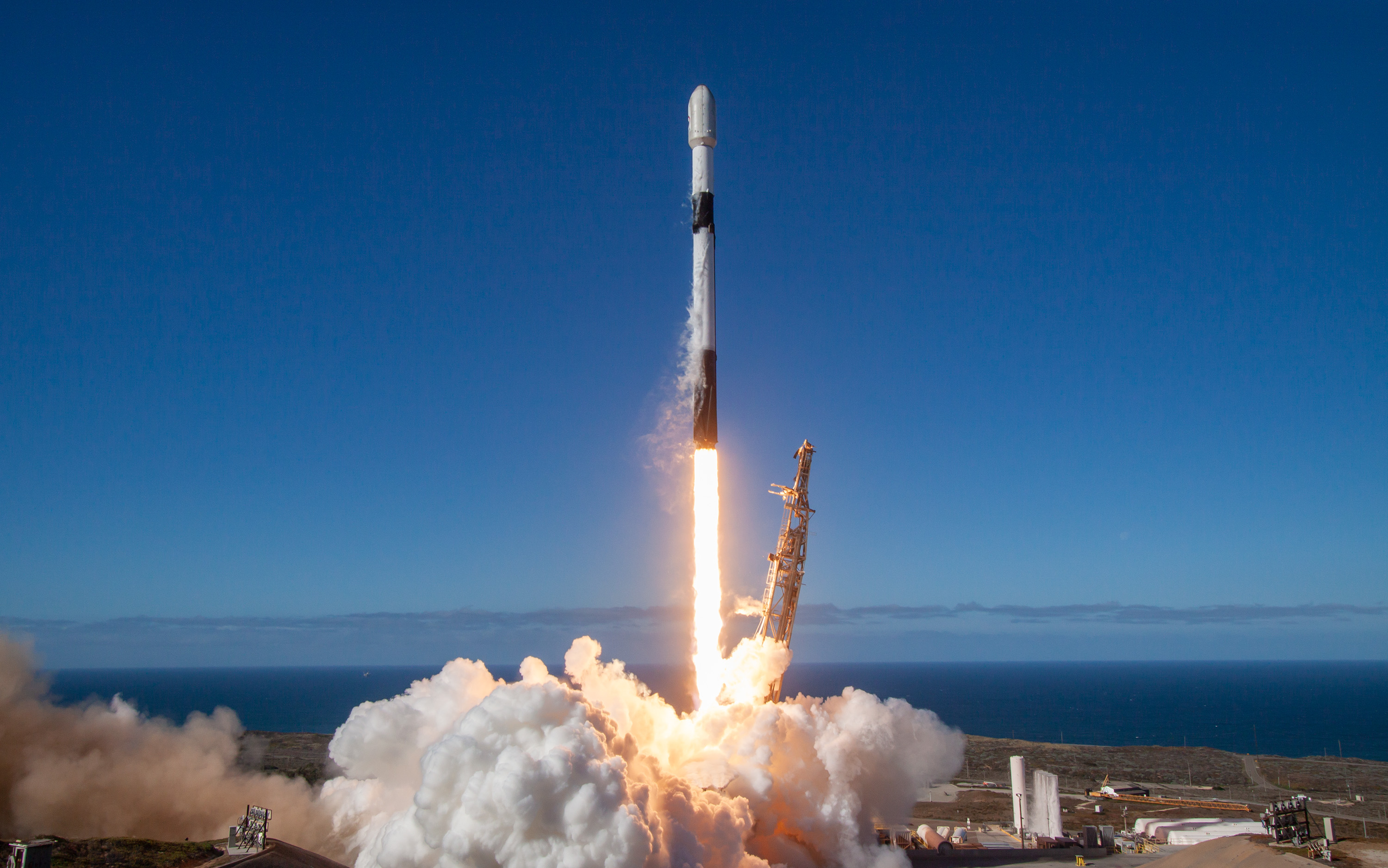
Unraveling the Stage Separation Mechanism of the Falcon 9 🚀🔗
Hey there, space enthusiasts! 🌌 Today, let's delve into one of the most crucial moments of the Falcon 9's journey: the stage separation mechanism. This process is vital for the rocket's successful ascent into space, and understanding it can enhance our appreciation for the engineering marvel that is SpaceX.
When we talk about the Falcon 9, we're referring to a two-stage rocket system designed to lift payloads into orbit. To achieve the velocity necessary to escape the Earth’s gravitational pull, the first stage provides the initial thrust. As the rocket climbs to an altitude of around 47 miles (about 76 kilometers), the stage separation becomes a meticulously orchestrated event. 🔭
1. Timing is Key: The stage separation process typically occurs about 2 minutes and 30 seconds into the flight, once the first stage has burned through its Merlin engines and is no longer providing thrust. Precision timing is critical here. If it happens too early or too late, it could jeopardize the mission's success. The onboard computers calculate the exact time and conditions for separation, which can be influenced by factors like altitude and velocity. ⏱️
2. Anti-Collision Measures: To prevent any potential collisions between the first and second stages, Falcon 9 utilizes a system of pneumatic actuators that push the two stages apart. These actuators are powered by pressurized nitrogen, giving them the strength needed to ensure a smooth and successful separation. The force generated during this process is exceptionally well-calibrated to minimize the risk of any unwanted interactions. 💨
3. Sequence of Events: Here’s how it all plays out:
Engine Cutoff: As the first stage reaches its burn limit, the Merlin engines power down.
Stage Separation: The pneumatic actuators spring into action, pushing the first stage away from the second stage.
Booster Flip Maneuver: Immediately after separation, the first stage performs a flip maneuver to prepare for its return journey. 🚀➡️🔄
Second Stage Ignition: Following the separation and the first stage's maneuver, the second stage's engine ignites, propelling the payload into its designated orbit.
4. Recovery and Reusability: One of the remarkable aspects of the Falcon 9 is its ability to recover the first stage post-separation. After stage separation, the first stage reignites its engines, allowing for a controlled descent. This recovery has been successful over 100 times, making reusable rockets a central feature of modern space exploration! ♻️
In conclusion, the stage separation mechanism of the Falcon 9 incorporates a series of precisely timed and engineered steps that are crucial for mission success. Each launch showcases the complexity and ingenuity that goes into making space travel safer and more efficient. So the next time you watch a Falcon 9 launch, remember that this intricate ballet of engineering is happening right before your eyes!
Stay curious and keep looking to the stars! #Falcon9 #StageSeparation #SpaceX
image credit: SpaceX