How does the Raptor engine's use of staged combustion cycles increase the efficiency of Starship?
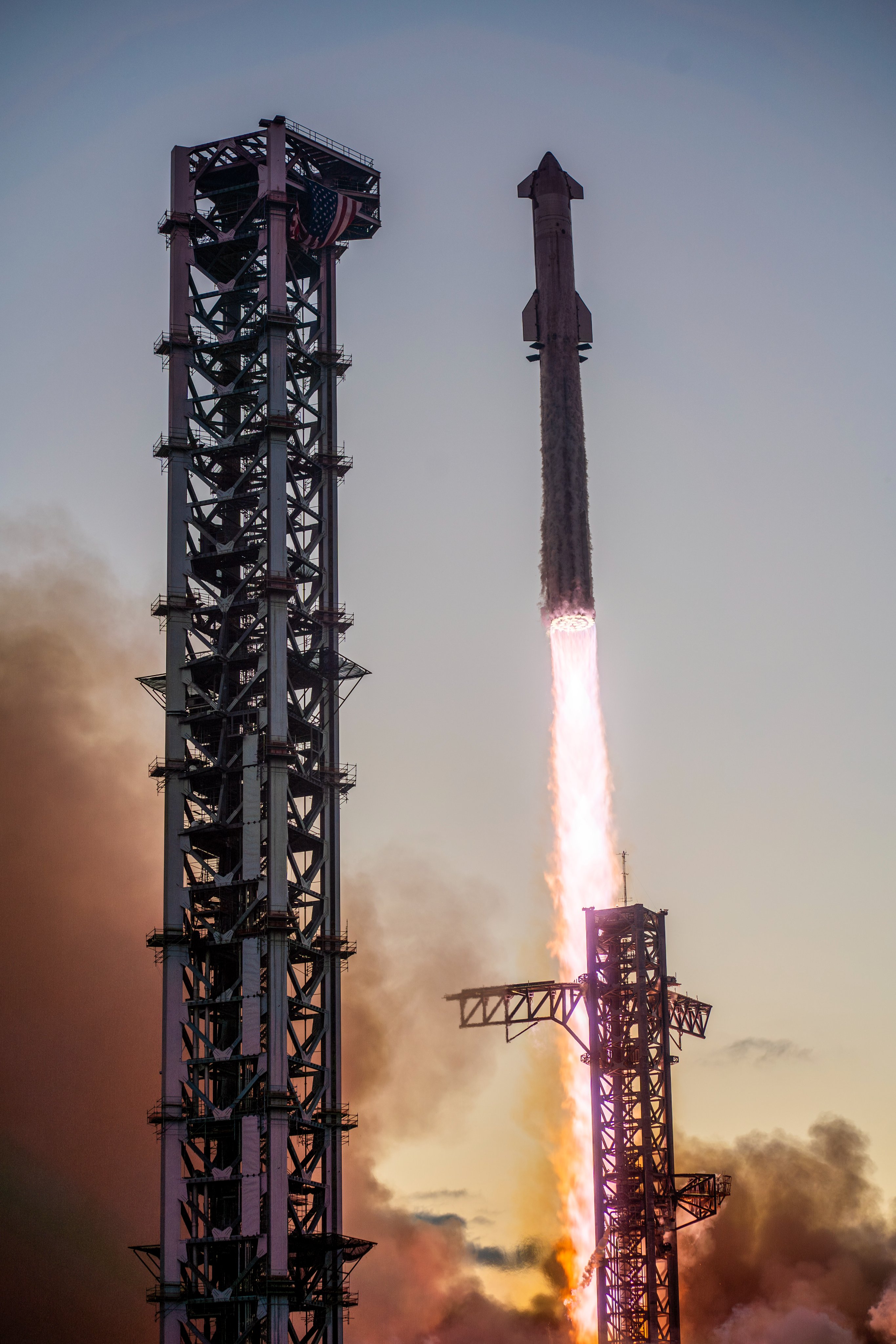
Hello, fellow space aficionados! 🚀 Are you ready to explore one of the most innovative components of the Starship program? Today, we’re diving into the intriguing world of the Raptor engine and its use of staged combustion cycles. This technology is not just a clever engineering trick; it’s a game-changer for the efficiency and performance of SpaceX's Starship! 🌌
The Raptor engine is nothing short of a marvel in rocket propulsion. It’s designed to operate on a staged combustion cycle, which is an advanced method compared to older rocket engines that often use gas-generator cycles. In simpler terms, staged combustion involves burning a portion of the propellant in a pre-combustion chamber before it enters the main combustion chamber. This method effectively allows for a more complete burn of the fuel. 📈 #RocketScience
What does this mean for efficiency? Well, let’s talk numbers! The Raptor engine produces around 230 metric tons (or approximately 2,280 kN) of thrust, which is significantly higher than its predecessors. The efficiency gain from staged combustion is part of the reason why Raptor is touted to be the most powerful rocket engine built to date. The specific impulse—a measure of propulsion efficiency—of Raptor is about 330 seconds in a vacuum, offering a substantial increase over traditional engines like the Merlin, which provides approximately 300 seconds. 🔥 #EfficiencyMatters
With around 9 engines per Starship, we’re seeing a powerful setup that not only boosts performance but also enhances reusability. The ability to recover and relaunch Starship multiple times is essential for SpaceX’s vision of making space travel more accessible and sustainable. In fact, CEO Elon Musk has stated that Raptor engines are designed to be reused up to 100 times! This remarkable longevity reduces costs dramatically—potentially down to $2 million per launch compared to the current cost of around $150 million for conventional systems. 💰 #SustainableSpaceTravel
Moreover, the staged combustion cycle allows for optimized thrust control, which is crucial during launch and landing. Raptor engines can throttle down to as low as 40% of their maximum thrust, making it easier to achieve smooth landings—an essential factor when planning missions to the Moon, Mars, and beyond! Imagine Starship returning from interplanetary missions, touching down gently thanks to its finely tuned Raptor engines. 🌍 #LandingSuccess
Lastly, the use of methane as fuel—specifically in the form of liquid methane and liquid oxygen (LOX)—not only enhances performance but also aligns with SpaceX's long-term vision of refueling on Mars. This “in-situ resource utilization” could potentially allow astronauts to extract methane from the Martian atmosphere, paving the way for sustainable exploration of the Red Planet. 🪐 #MarsMission
In summary, the Raptor engine's staging combustion cycle is a significant advancement in rocket propulsion technology, paving the way for Starship's efficiency, cost-effectiveness, and reusability. As we march toward an exciting era of interplanetary travel, the innovations behind Raptor will play a critical role in making these dreams a reality. Until next time, keep looking up! 🌌
image credit: SpaceX