How does the Raptor engine’s full-flow staged combustion increase performance compared to Merlin’s gas generator cycle?
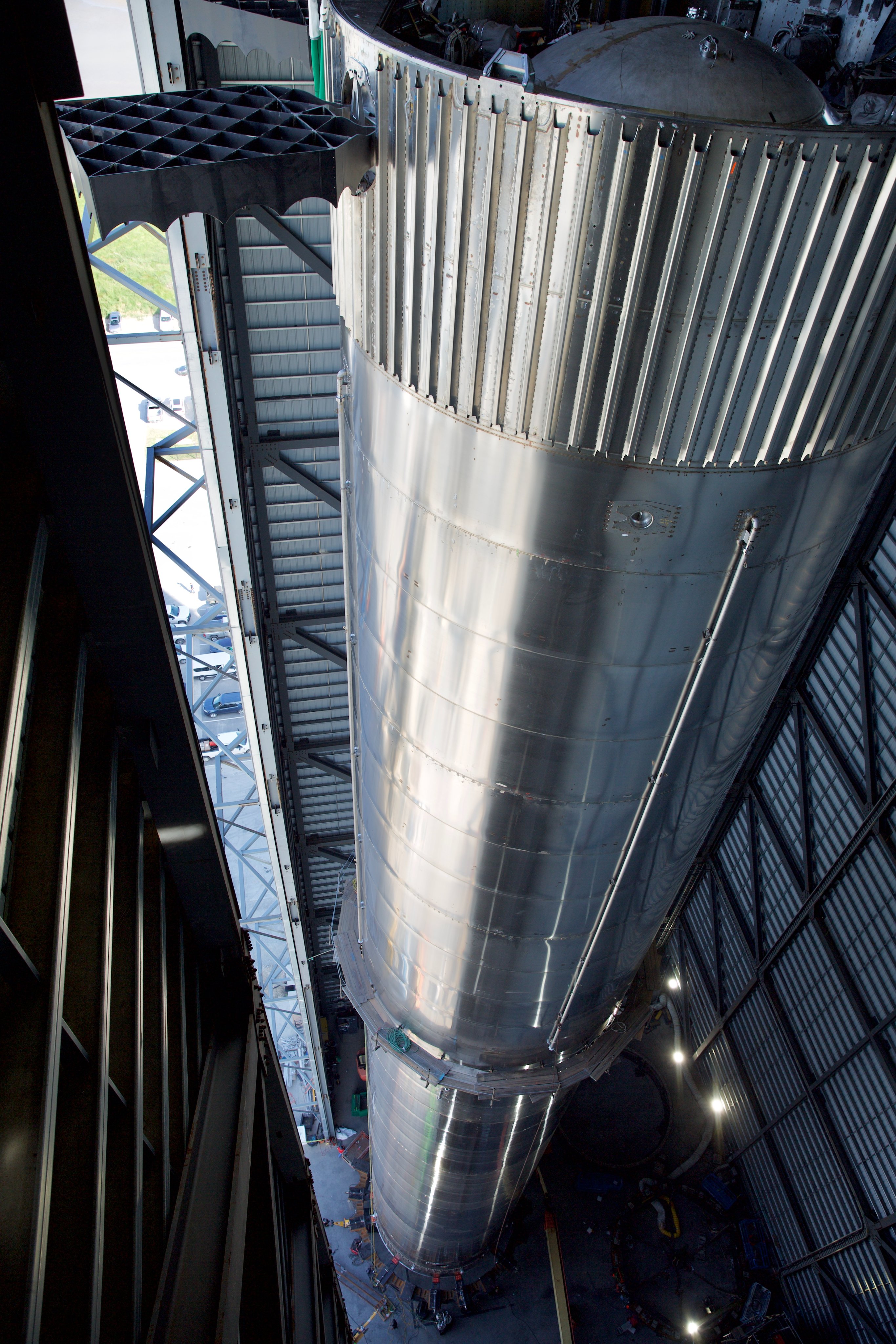
🔥 Welcome to the future of space propulsion! As SpaceX develops its Starship program, one of the pivotal advancements is the Raptor engine. Unlike the Merlin engines that power the Falcon 9, Raptor employs a cutting-edge full-flow staged combustion cycle, which significantly enhances its performance. Curious about how this works? Let’s explore the thrilling world of rocket engines! 🚀
The Raptor engine, designed for heavy-lift missions and interplanetary travel, operates using a full-flow staged combustion cycle, a method that maximizes engine efficiency and thrust. In this system, both the fuel and oxidizer are completely pre-burned before entering the combustion chamber, ensuring optimal performance. The Raptor engine can produce about 230 metric tons (roughly 510,000 pounds) of thrust, making it one of the most powerful rocket engines ever constructed! 🌌
In contrast, the Merlin engines utilize a gas-generator cycle. Here, a small portion of the fuel is burned in a gas generator, which drives the turbopumps that feed the main combustion chamber. While this is an effective system, the gas-generator cycle allows unburned fuel to escape without contributing to thrust, which can limit overall efficiency. For example, the Merlin 1D engine can deliver up to 190 metric tons (around 420,000 pounds) of thrust. While impressive, it can’t quite match the sheer power of the Raptor.
One of the primary advantages of the full-flow staged combustion cycle found in Raptor is its improved thermal efficiency. By burning all the propellant before it reaches the combustion chamber, the engine mitigates the risk of incomplete combustion, leading to a cleaner and more efficient burn. This results in better specific impulse (Isp)—a measure of propellant efficiency—typically around 330 seconds in a vacuum for Raptor, compared to approximately 285 seconds for the Merlin engine. This difference can significantly impact mission profiles and payload capacity.
Additionally, the Raptor engine is designed to run on cryogenic propellants: liquid methane (CH4) and liquid oxygen (LOX). This choice not only enhances performance but also enables in-situ resource utilization for potential missions to Mars. Imagine astronauts utilizing Martian resources to refuel their rockets! On the other hand, the Merlin engines utilize RP-1, a refined kerosene. While efficient, RP-1 doesn’t have the same versatility as methane for future exploration efforts.
Moreover, the full-flow design of Raptor leads to better engine responsiveness. The staged combustion cycle allows for quicker throttle adjustments and shutdowns, making the engine more adaptable for various mission requirements, from launching satellites to servicing the ISS. This flexibility is a game-changer for future deep-space missions.
In conclusion, the Raptor engine's full-flow staged combustion cycle outperforms the Merlin's gas-generator cycle by providing higher thrust, better efficiency, and versatility for future space exploration endeavors. As SpaceX pushes the boundaries of rocket technology, the Raptor represents not just an innovation but also a promise for humanity’s journey to the stars! 🌟
#RaptorEngine #SpaceX #RocketScience #StagedCombustion #SpaceExploration #Innovation #Engineering
Image credit: SpaceX
Humanize