How does the Raptor engine achieve full-flow staged combustion at 300 bar pressure without compromising reliability during long-duration burns?
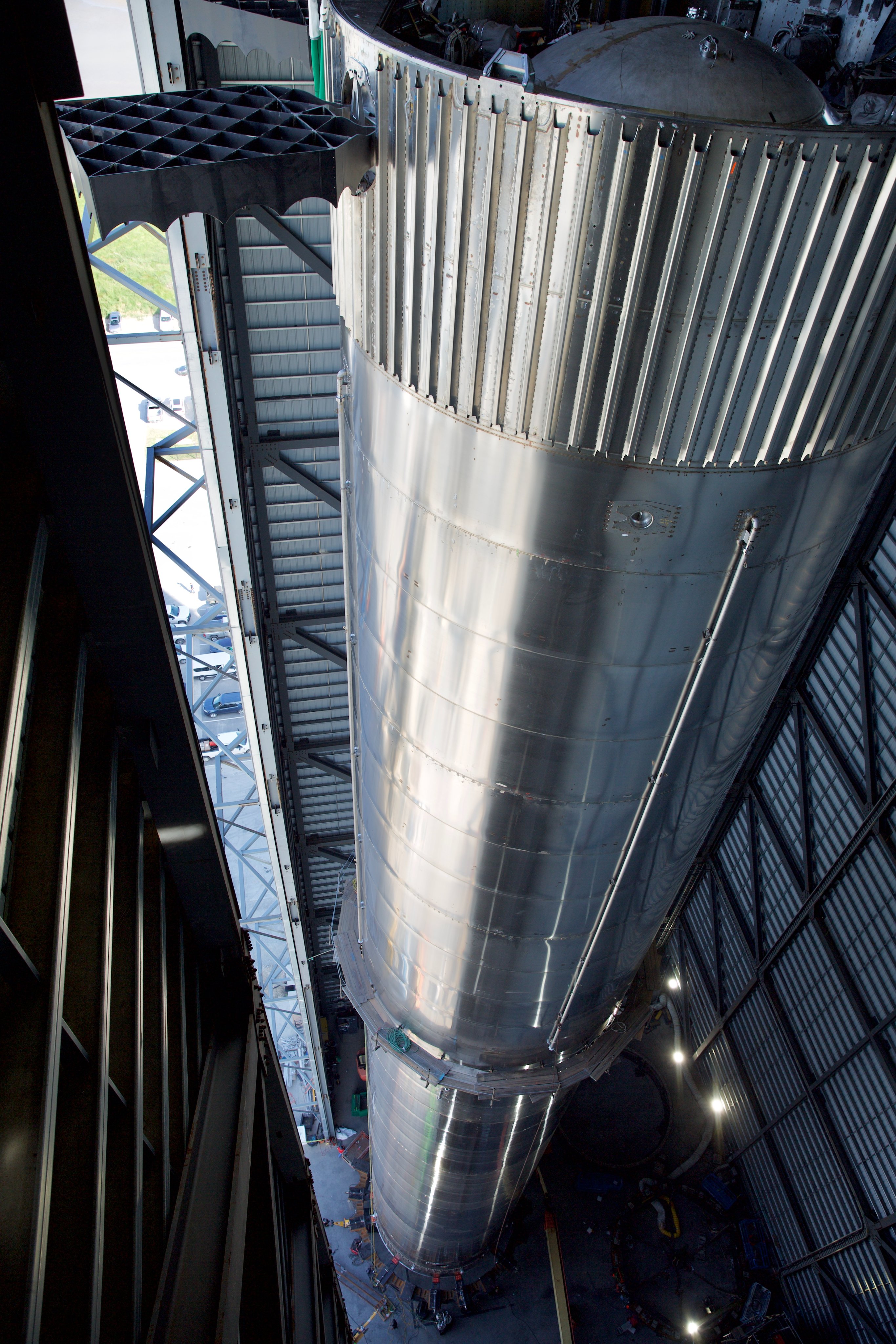
Hello, rocket enthusiasts! 🚀 Ever wondered how SpaceX's Raptor engine manages to achieve full-flow staged combustion at an astounding pressure of 300 bar without sacrificing reliability during long-duration burns? Let’s unravel the engineering marvel that is the Raptor engine and explore how it stands at the forefront of rocket technology.
The Raptor engine is designed to utilize a full-flow staged combustion cycle, which is a complex but highly efficient method for rocket propulsion. But what does that mean? In simpler terms, it means that both the fuel and oxidizer are completely gasified before entering the combustion chamber, allowing for a more efficient burn and maximizing performance while minimizing unburned residues. That’s key because it directly translates to more thrust and improved efficiency! 🚀✨
Operating at 300 bar (which is about 4,351 psi), the Raptor reaches pressures that are often associated with significantly increased risks. This is because high pressure can lead to instabilities in combustion and increased wear on engine components. To overcome this, SpaceX employs state-of-the-art materials and innovative design strategies to ensure reliability. For instance, the Raptor utilizes advanced nickel-based alloys and cooling techniques that allow it to withstand the extreme conditions of operation. Did you know that the nozzle of the Raptor can see temperatures around 3,000 degrees Fahrenheit during flight? 🔥
The key to Raptor’s reliability lies in its operational redundancy and modular design. Each component is built to undergo rigorous testing, which allows SpaceX to anticipate potential points of failure. In fact, a single Raptor engine has undergone extensive static fire tests, reaching over 100 firings in some instances—data that proves invaluable for improving long-term performance and reliability. Statistically, consistent testing ensures that they can identify flaws before they become catastrophic! 📊
Moreover, the flow paths for both the fuel (methanol) and oxidizer (liquid oxygen) in the Raptor engine are meticulously engineered. By designing them to operate independently, each can be closely monitored for performance. This ensures that if a problem arises in one system, it doesn't compromise the entire engine functioning. SpaceX's brilliant approach to redundancy significantly cuts down on the chances of failure during long burns, keeping the mission safe. 🛡️
Lastly, let's not overlook the importance of computer control systems. The advanced control algorithms used in Raptor engines allow for real-time adjustments to combustion parameters. By continuously monitoring vital metrics like pressure, temperature, and flow rates, engineers can optimize performance, ensuring that even under the intense stresses of 300 bar, the engine remains reliable.
In conclusion, the Raptor engine exemplifies the cutting-edge of rocket technology. By leveraging full-flow staged combustion, innovative materials, redundancy, and advanced monitoring, SpaceX has managed to push the limits in rocket design—all without compromising reliability. So, the next time you see a Falcon 9 or Starship launch, you'll have a greater appreciation for the engineering excellence at play! 🌟
Until next time, keep that passion for space alive!
#SpaceX #RaptorEngine #RocketScience #SpaceExploration
image credit: SpaceX