How does the Propellant Feed System handle temperatures as low as -253°C for liquid oxygen in the Raptor engine?
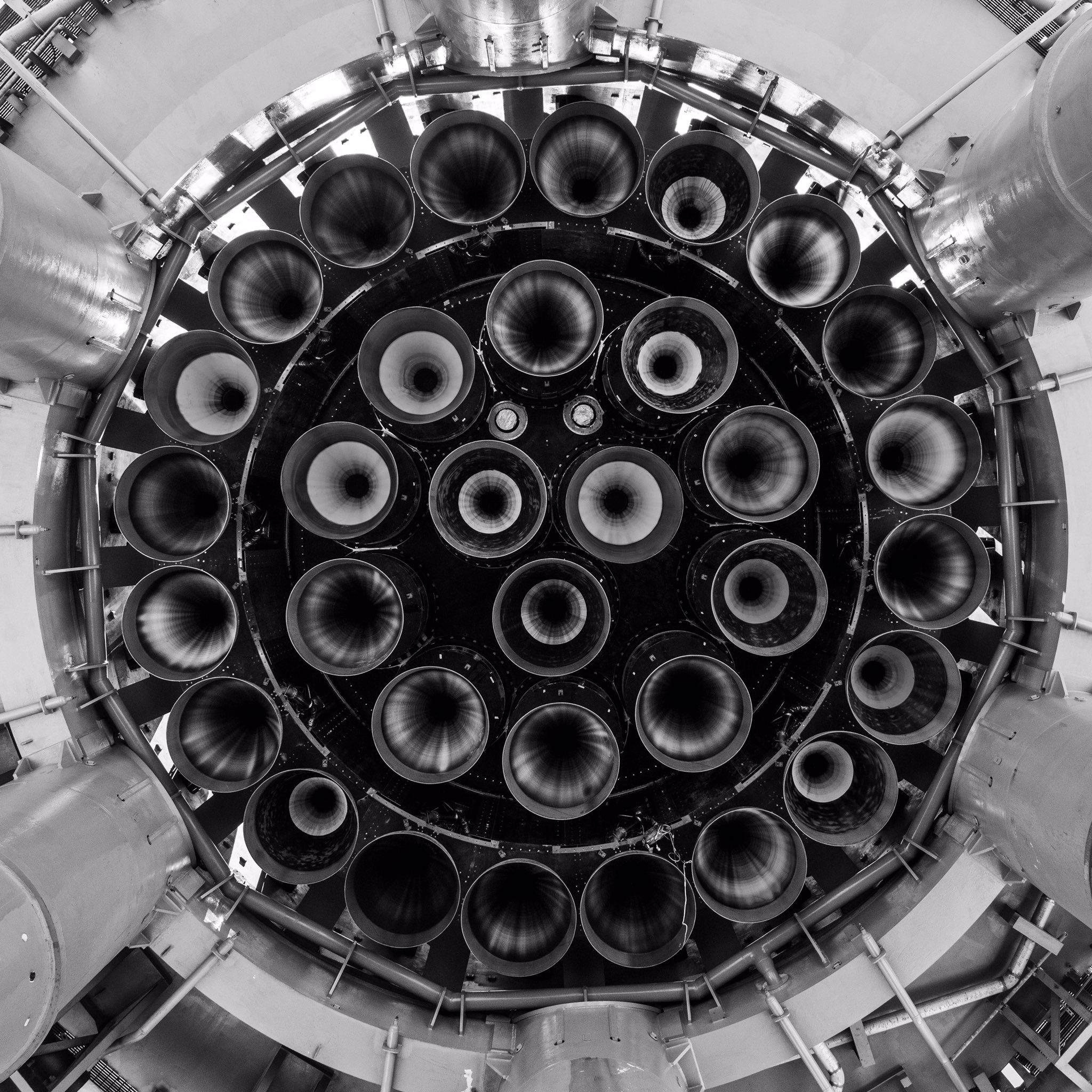
Freezing the Future: How the Propellant Feed System Manages -253°C Liquid Oxygen in the Raptor Engine ❄️🚀
Hello, fellow space explorers! 🌌 Today, we're diving into the remarkable engineering behind SpaceX's Raptor engine, specifically focusing on the Propellant Feed System and its capability to manage the extreme temperatures of liquid oxygen (LOX) at an astonishing -253°C. This technological marvel is not just a feat of physics but a pioneering innovation that pushes the boundaries of what we thought possible in rocket propulsion. Ready to explore? Let’s go! 🚀
Liquid oxygen is an essential propellant for the Raptor engine, providing vital oxidization for combustion alongside liquid methane. However, maintaining LOX at such ultra-low temperatures poses unique challenges, primarily because it needs to be stored and transported efficiently while preventing it from warming up and vaporizing before it can be used. Just how does SpaceX tackle this frosty hurdle? The answer lies in the meticulously designed Propellant Feed System. 💧❄️
One standout feature of the Propellant Feed System is its compatibility with high-performance insulation techniques. SpaceX utilizes advanced cryogenic insulation materials to surround the pipelines and tanks that carry liquid oxygen. This insulation is designed to minimize heat transfer and maintain LOX in its liquid state, effectively combating the warmth of ambient temperatures that can turn it into gas. With precise engineering, the feed system also includes temperature monitoring sensors, ensuring that any rise in temperature can trigger automatic adjustments to keep everything in optimal condition. 📈🛠️
Moreover, the Raptor engine utilizes a fuel-rich staged combustion cycle, where a portion of the LOX is piloted through pre-burners before reaching the combustion chamber. This strategy not only optimizes fuel efficiency, achieving potential efficiencies as high as 100%, but also helps manage temperature levels as LOX circulates through the system. The design ensures that releases of heat generated during combustion do not lead to significant temperature increases in the feed system carrying the LOX.🌡️🔥
In addition to insulation and temperature regulation, the Propellant Feed System incorporates specialized pumps that can handle extreme conditions. These pumps are designed to mechanically compress and move LOX effectively, even when it’s at its chilling temperature of -253°C. The materials used in these pumps must withstand thermal stress while maintaining structural integrity, which is incredibly important in sustaining the engine's performance through multiple launches. 💪🔧
But why is this low-temperature management so crucial? Well, liquid oxygen is an incredibly efficient oxidizer and is key to achieving the high thrust levels (around 2300 kN, or 230 tons!) needed for effective launches. By keeping the LOX at optimal temperatures, the Raptor engine can maximize its fuel efficiency and thrust capabilities while allowing for potential multiple reusability, leading to significant cost reductions in space travel—an essential goal for space pioneers like SpaceX. 🌍💸
In closing, the Propellant Feed System of the Raptor engine is a remarkable example of innovative engineering that handles the demanding requirements of ultra-cold temperatures. By expertly balancing insulation, temperature regulation, and high-performance components, SpaceX is breaking new ground in rocket technology. As we continue to reach for the stars, it’s clear that every detail, even at -253°C, counts in our journey beyond Earth! 🌟
Until next time, keep looking up! #RaptorEngine #SpaceX #CryogenicEngineering #RocketScience #LiquidOxygen
Image credit: SpaceX