How does the interplay between Starship’s methane tanks and flow regulators optimize fuel efficiency during burns?
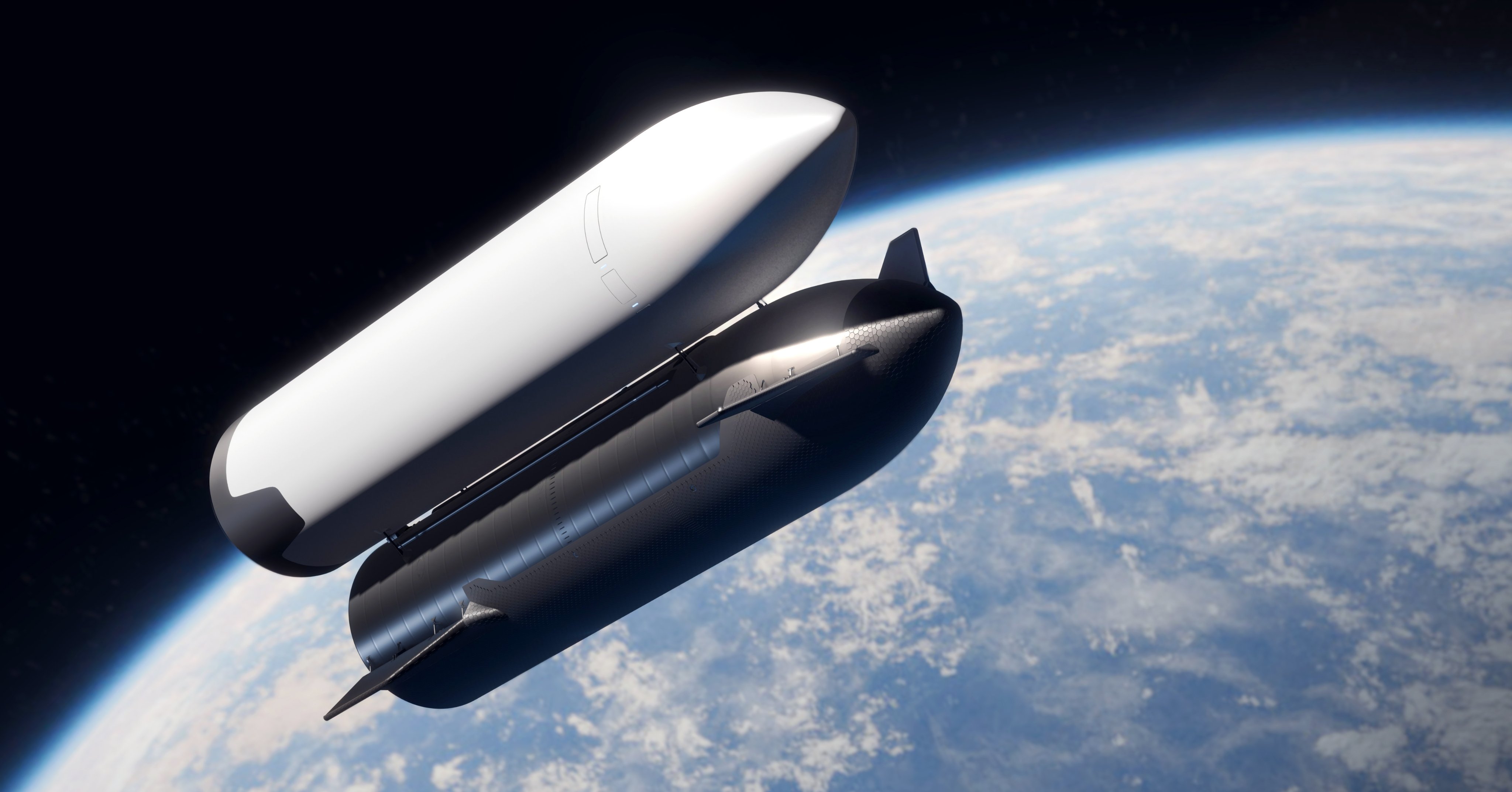
🚀 Hey, space aficionados! Today, we're diving into the incredible engineering behind SpaceX's Starship and specifically how its methane tanks and flow regulators work in harmony to optimize fuel efficiency during burns. This synergy is not just about powering the rocket; it’s about redefining the future of space travel! 🌌✨
Starship, designed for missions to the Moon and Mars, utilizes Liquid Methane (LCH4) and Liquid Oxygen (LOX) as propellants. One of the standout benefits of using methane is its higher performance and lower temperatures compared to traditional rocket fuels. During its ascent, Starship’s Raptor engines require a carefully orchestrated balance of fuel and oxidizer to ensure that every drop of propellant is used efficiently. 💧🔥
The methane tanks in Starship are crafted to maximize the storage and management of fuel. With tank diameters reaching up to 9 meters (about 30 feet), Starship can hold approximately 1,200 metric tons of propellant. This large capacity is essential for its ambitious missions, but the real magic lies in the flow regulators. These precision devices control the amount of methane flowing to the Raptor engines, ensuring that the fuel is delivered at just the right pressure and rate, thereby optimizing the combustion process. 📏🛠️
Calculating optimal flow rates is crucial for both efficiency and safety. The Raptor engines are designed to operate at a specific stoichiometric mixture ratio, ideally around 3:1 oxidizer to fuel by mass. Proper regulation through the flow controllers helps maintain this balance during burns, thereby maximizing thrust and minimizing excess fuel consumption. By adjusting flow rates dynamically, engineers can adapt to varying flight conditions, such as atmospheric pressure and altitude, vastly increasing engine performance. 📈🌠
What does this mean for fuel efficiency? Well, everything! With the ability to fine-tune fuel delivery during critical phases of flight (like liftoff and orbit insertion), SpaceX can achieve a higher specific impulse (ISP) from its engines. The Raptor engine boasts an ISP of around 330 seconds in a vacuum, making it one of the most efficient rocket engines today. This increased efficiency translates to reduced overall costs per launch—around $2 million to $5 million per launch, which is incredibly competitive compared to other heavy-lift vehicles. 💸🌍
Moreover, the use of methane aligns with SpaceX’s long-term vision for sustainable space travel. Methane can potentially be sourced from Mars using in-situ resource utilization (ISRU) technologies, which means that not only will future missions be more cost-effective, but they can become self-sustaining. This could dramatically reduce the logistics of transporting fuel from Earth, paving the way for sustainable human presence on other planets! 🌌🔄
In summary, the interplay between Starship’s methane tanks and flow regulators is a testament to cutting-edge rocket engineering. By optimizing fuel flow and maintaining a perfect combustion ratio, SpaceX is not just enhancing the efficiency of every launch but is also paving the road to interplanetary travel. Exciting times lie ahead for space exploration! 🙌✨
Catch you later, cosmic voyagers! Keep dreaming big! 🌠❤️
#SpaceX #Starship #MethaneFuel #RocketEngineering #SpaceTravel #SustainableSpace #AerospaceInnovation
Image credit: SpaceX