How does the interplay between Falcon 9's hydraulic cylinders and landing legs contribute to its ability to land on autonomous drone ships?
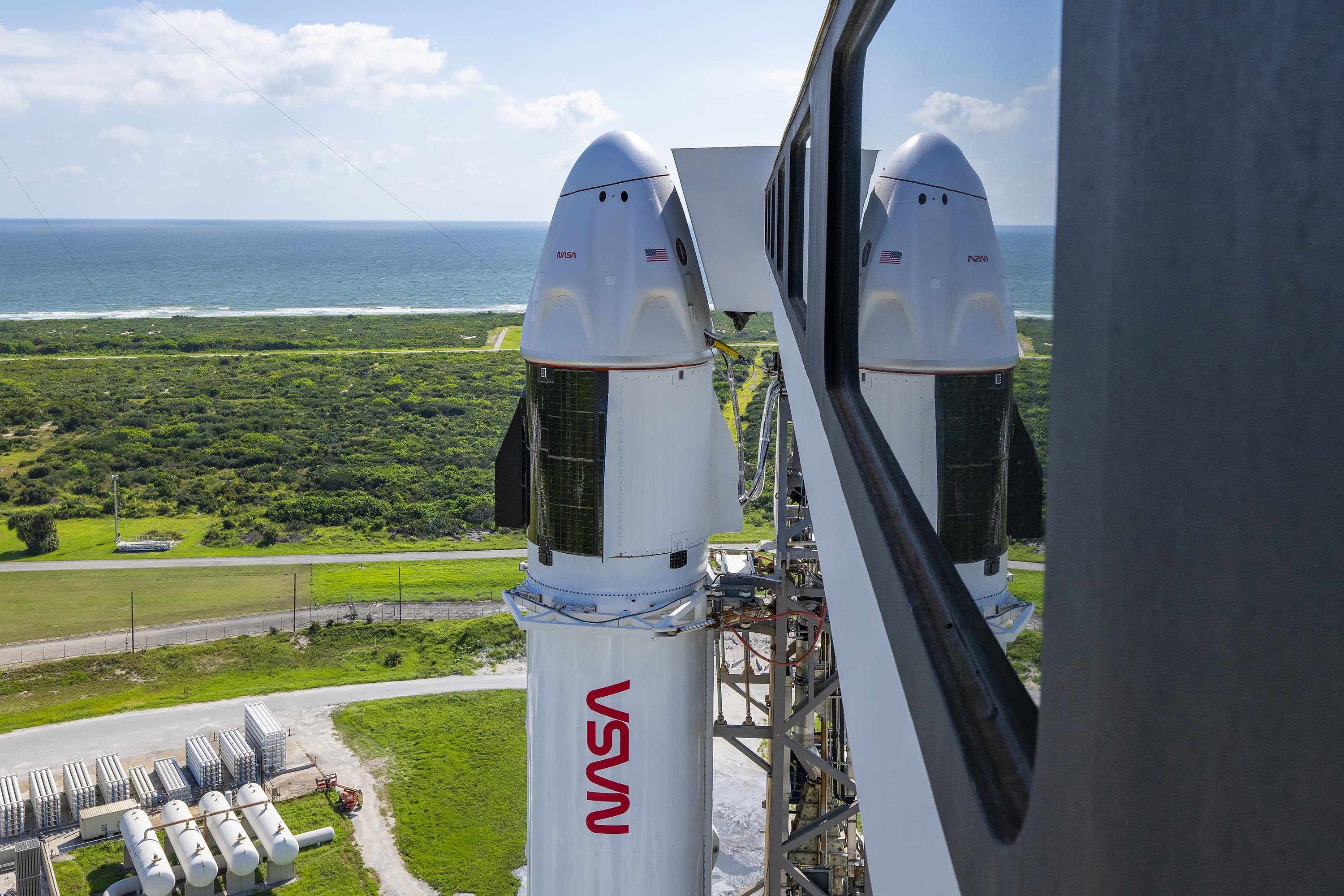
Hey there, fellow space aficionados! 🌌 Today, we’re exploring an incredible aspect of SpaceX's Falcon 9 rocket—the crucial interplay between its hydraulic cylinders and landing legs that allows the rocket to land safely on autonomous drone ships. With an impressive track record of over 180 successful launches and booster landings, it’s time to understand the mechanics behind this engineering marvel! 🚀
The Falcon 9 is designed for reusability, which is a game-changer in reducing the cost of space travel. One of the rocket's hallmark features is its ability to perform a controlled descent and land on a drone ship stationed in the ocean. This capability not only enhances the practicality of space launches but also represents a significant step towards sustainable space exploration. But how do the hydraulic cylinders and landing legs contribute to this precision landing? Let’s break it down! 🔧
The Falcon 9's landing sequence begins shortly after the second stage separates. At this point, the first stage, which is responsible for the initial ascent, begins to return to Earth. This is where the hydraulic cylinders come into play. The rocket is equipped with four hydraulic actuators, which are responsible for deploying the landing legs and controlling their movement during the landing phase. These hydraulic systems can exert significant force and ensure precise adjustments in response to the rocket's position and velocity—critical during the final moments of descent.
Once the Falcon 9 approaches the drone ship—typically located about 300 nautical miles off the coast—the landing legs must deploy flawlessly. Each leg is engineered to withstand the immense forces generated during landing. The hydraulic cylinders pull the legs down and lock them in place, allowing the rocket to secure itself to the platform. The entire deployment process happens in mere seconds, demonstrating a seamless integration of technology and engineering. 🛠️
During the descent, the Falcon 9 also employs grid fins, which help control its orientation and landing trajectory. When combined with the hydraulic systems, these fins allow for fine-tuned maneuvers, making it possible for the rocket to navigate gusty winds and ocean swells. The landing strikes rely heavily on algorithms that calculate the optimal angle, speed, and position of the rocket, ensuring that it can touch down safely—even on the moving surface of a drone ship.
The result of this sophisticated interplay? Falcon 9 boasts a landing success rate of over 97%! As of 2023, SpaceX has successfully landed its first stage on a drone ship a staggering 58 times. This incredible achievement not only demonstrates the rocket’s reliability but also contributes to the long-term vision of reusability in space transport. 🌍
In conclusion, the collaboration between Falcon 9's hydraulic cylinders and landing legs plays a vital role in its ability to autonomously land on drone ships. This technology isn't just about precision; it's about redefining the future of space travel. So here’s to more successful landings and innovative solutions in the realm of space exploration! Keep dreaming big! #SpaceX #Falcon9 #RocketLanding #SpaceExploration
image credit: SpaceX