How does the integration of Falcon 9’s gimbal mechanisms with inertial measurement units (IMUs) improve pitch and yaw stability?
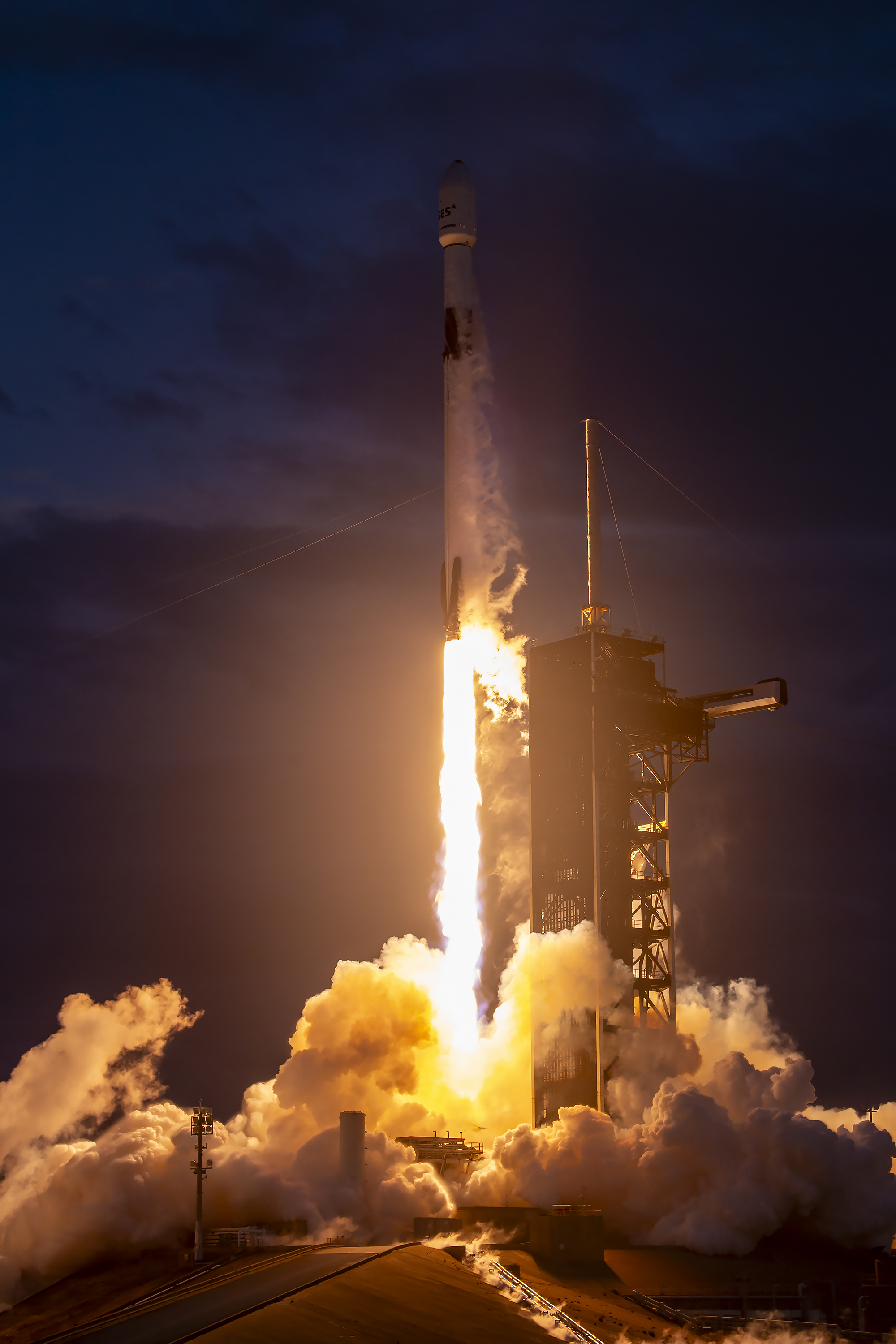
Hello, space enthusiasts! 🌌 Today, let’s dive into how the Falcon 9 rocket maximizes its performance during flight through the integration of gimbal mechanisms and inertial measurement units (IMUs). Understanding this technology is key to appreciating how SpaceX has revolutionized space travel and made reusability a reality.
When Falcon 9 launches, it’s not just a straight shot into the sky. The rocket experiences various forces, including atmospheric drag, which can cause unwanted pitch and yaw movements. To combat this, Falcon 9 utilizes gimbal mechanisms that allow its engines to pivot, thus adjusting the rocket's trajectory in real-time. Did you know that during ascent, these engines can gimbal by up to 10 degrees in any direction? 🌍 This remarkable flexibility helps maintain a stable flight path and keep the rocket on course.
Now, let’s introduce the role of inertial measurement units. IMUs are critical components that provide precise data about the rocket's orientation and movement. They measure acceleration and angular velocity along multiple axes, helping to track the changes in pitch, yaw, and roll. Falcon 9 is equipped with highly advanced IMUs that ensure accuracy to within 0.1 degrees. This level of precision is crucial, as any deviation in flight can lead to difficult corrective maneuvers. 📉
So how does the integration of these two technologies work synergistically? As the Falcon 9 ascends, the IMUs continuously send information about its orientation and motion back to the onboard flight computer. If the rocket begins to pitch or yaw off its intended path, the flight computer calculates the adjustments needed and signals the gimbal mechanisms to pivot the engines accordingly. This real-time feedback loop allows for ultra-responsive control that significantly enhances stability, particularly during the critical phase of ascent through the atmosphere.
Imagine this: during a typical launch, Falcon 9 reaches speeds of approximately 17,500 miles per hour (28,000 kilometers per hour) as it exits the atmosphere. At these blistering speeds, any slight misalignment can result in catastrophic failure. By coordinating IMUs and gimbal mechanisms, Falcon 9 can dynamically adapt to changing conditions, which increases not only safety but also the likelihood of a successful mission.
Moreover, this sophisticated interplay between gimbal movements and IMU data helps during the rocket's return phase as well. During landing, Falcon 9 employs the same principles to ensure a precise touchdown, whether it’s landing on a barge in the ocean or returning to a ground pad. The success rate of Falcon 9 landings is a testament to this technological synergy, with a remarkable 95% of all missions resulting in successful landings!
In summary, the Falcon 9’s combination of gimbal mechanisms and inertial measurement units represents the pinnacle of aerospace engineering. By ensuring pitch and yaw stability, they not only improve the rocket’s performance but also enhance the safety and reliability of space missions. 🌠
Until next time, keep your curiosity soaring high!
#Falcon9 #SpaceX #RocketTechnology #AerospaceEngineering #StabilityInFlight
image credit: SpaceX