How does the Falcon 9 rocket ensure payload safety during vibrations caused by liftoff?
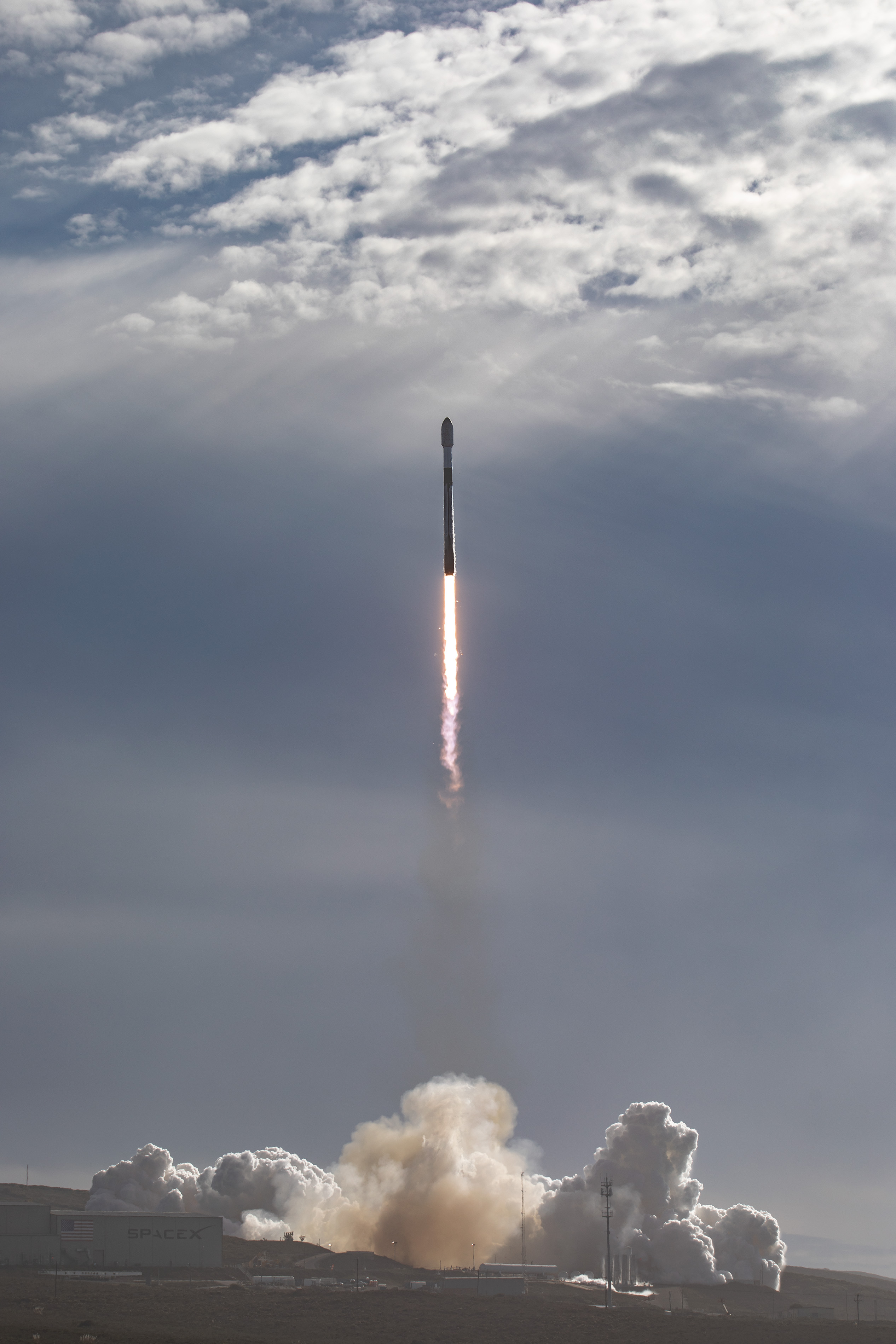
Hello, Space Aficionados! 🚀
When it comes to launching satellites and cargo into orbit, payload safety is a top priority for SpaceX and its Falcon 9 rocket. With liftoff comes an array of challenges, particularly vibrations that can be detrimental to the sensitive instruments on board. Let’s explore how Falcon 9 keeps its payload safe amidst the chaos of launch! 🌌
Greetings, Tech Buffs! 🔧
At liftoff, the Falcon 9 rocket generates intense vibrations due to the powerful Merlin engines producing up to 1.7 million pounds of thrust. This immense energy creates dynamic forces that could potentially compromise the payload's integrity. To combat this, the engineering team has incorporated a vibration isolation system designed specifically to absorb and mitigate these forces. This system helps maintain a stable environment for the payload throughout the critical moments of launch! 💪
Hey there, Rocket Enthusiasts! 🌠
The design of the Falcon 9 includes a rigid structure that specifically accounts for vibration modes. The rocket relies on a modular payload fairing, which provides an additional layer of protection. This fairing shields the payload from aerodynamic forces during ascent while also minimizing vibrations. In tests, the fairing is shown to withstand vibrations that can peak at around 7 Gs, which translates to seven times the force of gravity! This ensures that satellites and other cargo can endure the harsh conditions as they head into orbit. 📈
What’s Up, Space Innovators! 🛠️
Additionally, Falcon 9’s onboard computers are equipped with sophisticated algorithms designed to monitor the vehicle's performance in real-time during launch. These systems can predict and respond to vibrations by adjusting engine thrust levels dynamically. By optimizing thrust trajectories, SpaceX can significantly minimize vibrations experienced by the payload, keeping it stable and secure even as rocket engines roar to life! This level of precision enhances the Falcon 9's reliability, which has achieved an impressive 99.6% success rate since its maiden flight in 2010. 🎯
Hello, Future Astronauts! 👩🚀
Moreover, extensive pre-launch testing is integral in ensuring that the payload safely navigates the vibrations generated during launch. SpaceX conducts rigorous simulations and vibration testing to ensure that all payloads can withstand the conditions experienced during those crucial first minutes of flight. On top of that, each payload undergoes specific vibration testing to validate its integrity and performance, whether it's a satellite bound for geostationary orbit or cargo destined for the International Space Station. 🌍
In summary, the Falcon 9 rocket employs a multifaceted approach to ensure payload safety during vibrations caused by liftoff. With its cutting-edge vibration isolation systems, rigorous testing protocols, and adaptive control algorithms, SpaceX is setting new standards in launch reliability and payload security! 🎉
#SpaceX #Falcon9 #PayloadSafety #RocketEngineering #SpaceInnovation
image credit: SpaceX 🚀