How does the Dragon capsule’s temperature control system, maintaining a stable range between 18°C and 26°C, adapt to extreme temperature fluctuations in space?
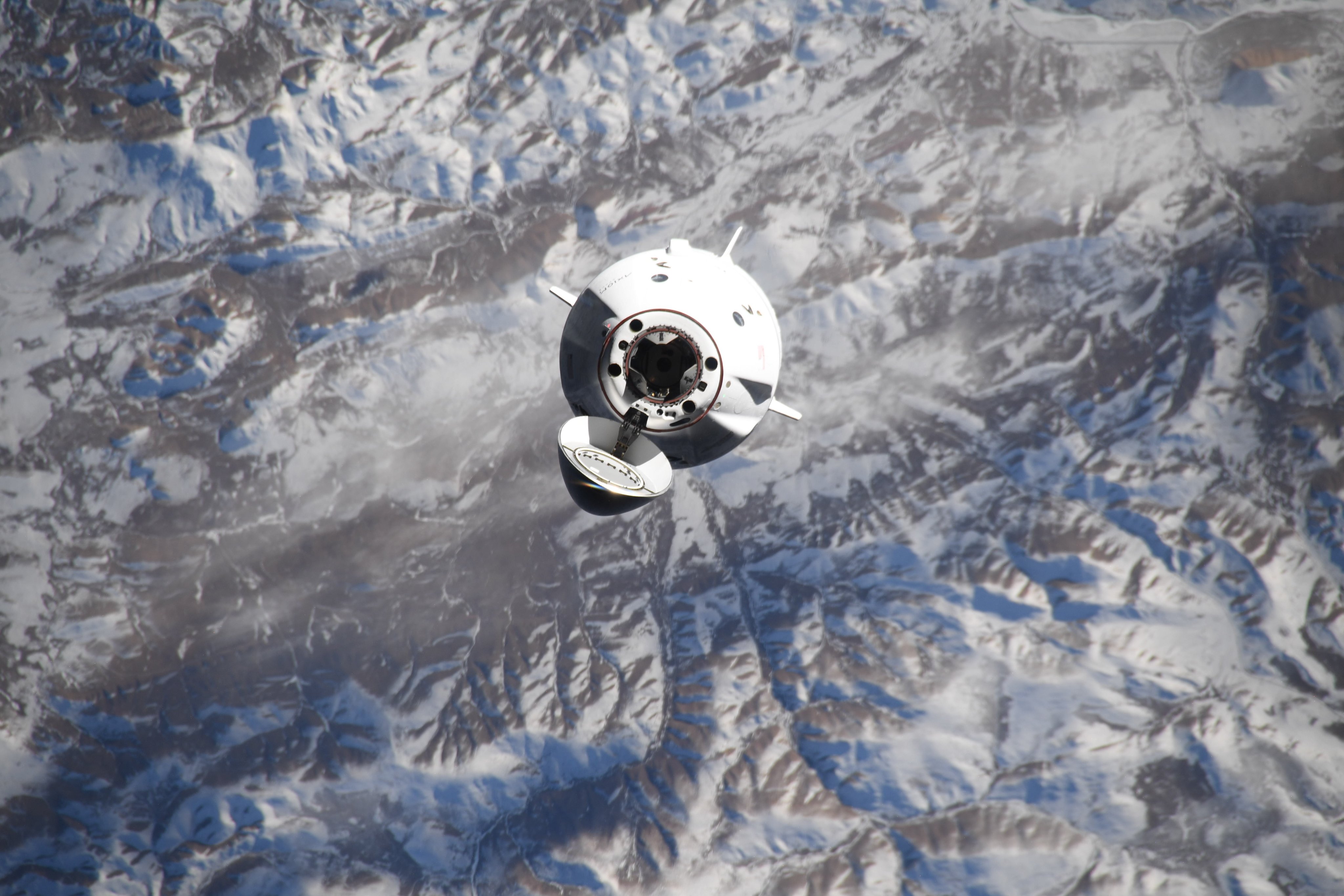
Hey space enthusiasts! 🌠 Today, we’re exploring a fascinating topic that’s critical for the safety and comfort of astronauts aboard the Dragon capsule: its temperature control system! This innovative system maintains a stable range between 18°C and 26°C (that's about 64°F to 79°F), adapting seamlessly to the extreme temperature fluctuations in the harsh environment of space. Let’s dive into how it all works!
In space, temperatures can swing dramatically. When exposed to direct sunlight, objects can heat up to a scorching 120°C (248°F), while in the shadow of the Earth or other celestial bodies, temperatures can plummet to an icy -120°C (-184°F). This is where the Dragon capsule’s temperature control system comes into play, ensuring that astronauts remain in a comfortable and safe environment throughout their journey.
This system operates with two key components: active thermal control and passive thermal control. Active thermal control involves various systems that actively manage the temperature inside the capsule. For instance, the Dragon uses radiators and heat exchangers that dissipate excess heat from the capsule. When the internal temperature rises above the preset limits, these components activate to expel heat, keeping the environment cozy for the crew. ☀️
On the flip side, passive thermal control involves insulation and materials that help minimize heat loss. The walls of the Dragon capsule are lined with advanced insulating materials that reduce conductive heat transfer, maintaining a stable temperature even when exposed to extreme conditions of space.
Moreover, the Dragon's thermal control system incorporates temperature sensors throughout the capsule, allowing it to continuously monitor the internal conditions. These sensors serve as the nervous system of the craft, sending data to the onboard computer system to make real-time adjustments. If the temperature deviates from the desired range, the system responds almost instantaneously, bringing conditions back into the comfort zone.
But what happens during re-entry? This phase is particularly critical, as the capsule experiences extreme heat due to atmospheric friction. To counter this, Dragon uses an advanced heat shield that protects the internal environment. The heat shield withstands temperatures of over 1,500°C (about 2,732°F), ensuring that the temperature inside stays within that comfortable range. 🌡️
In addition to these systems, the Dragon capsule features a robust pre-flight check process. Before launch, engineers thoroughly assess the temperature control systems to ensure they’re functioning flawlessly. This is vital, as maintaining stable temperatures isn't just about comfort; it’s essential for the health and safety of the astronauts and the integrity of sensitive onboard equipment.
In summary, the Dragon capsule's temperature control system is a marvel of engineering that balances active and passive methods to adapt to the unforgiving extremes of space. With a maintained temperature range of 18°C to 26°C and advanced monitoring systems, astronauts can focus on their crucial missions without worrying about the elements. It’s all about making space travel not only possible but also enjoyable! 🌌✨
#SpaceX #DragonCapsule #TemperatureControl #SpaceTravel #EngineeringMarvel #Astronauts
image credit: SpaceX