How does the Dragon capsule’s radiation shielding protect astronauts from up to 95% of solar radiation during a six-month journey to Mars?
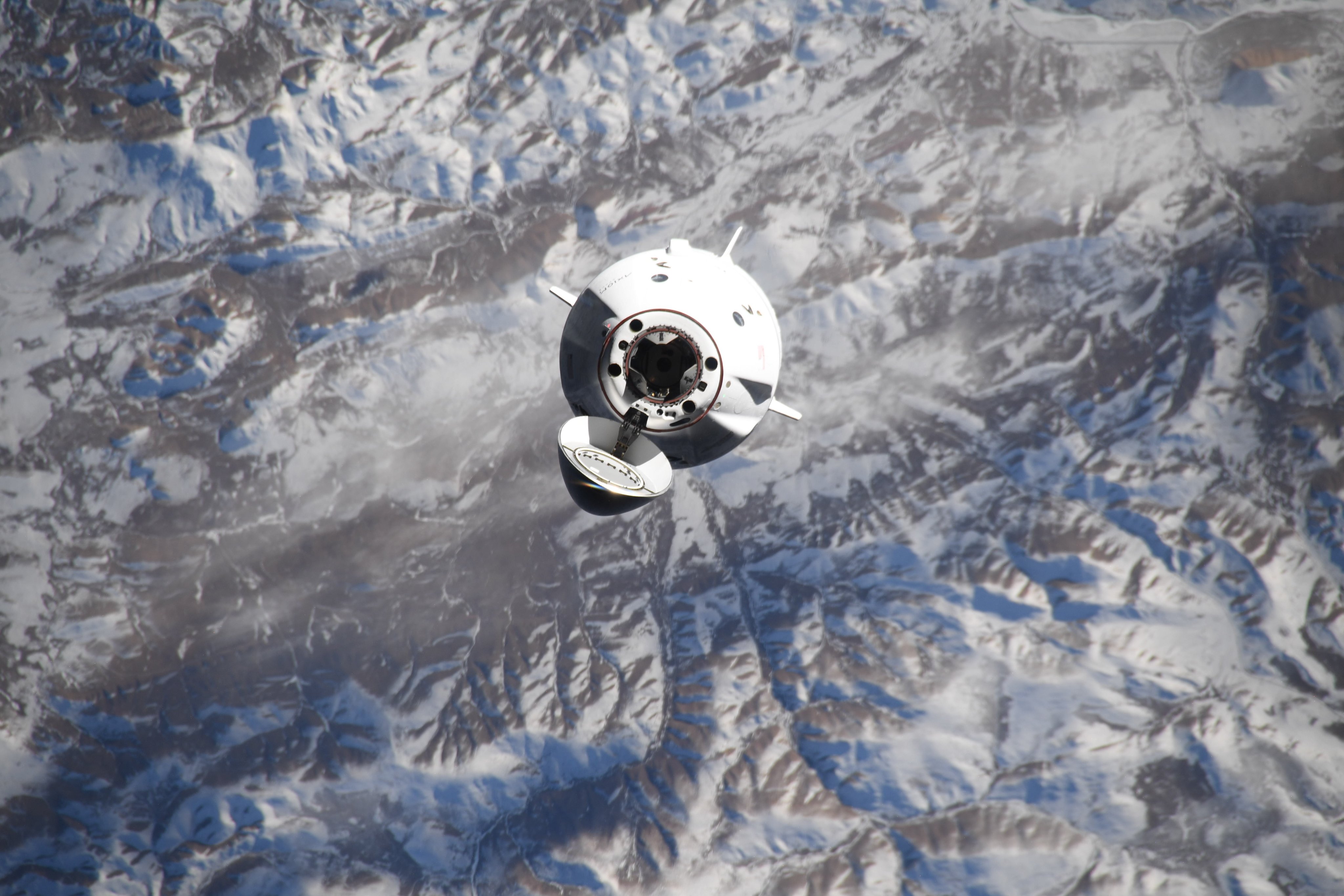
Hey there, space explorers! 🌌 Today, we’re delving into an essential aspect of long-duration space travel: the radiation shielding of the Dragon capsule. As humanity prepares for ambitious missions to Mars, understanding how this technology protects astronauts from harmful solar radiation—up to 95% of it—over the course of a six-month journey is crucial. Buckle up as we navigate through the science of survival in space! 🚀💫
First, let’s talk about the threat posed by solar radiation. The sun continuously emits a flow of charged particles known as solar wind. While Earth's atmosphere and magnetic field protect us from this radiation, astronauts in space aren’t so lucky. During a journey to Mars—which can take about six months—astronauts would be exposed to significant levels of ionizing radiation, increasing their risk of cancer and other health issues. In fact, a six-month stay in low Earth orbit exposes astronauts to a cumulative dose of approximately 100 mSv (millisieverts), while a Mars mission could push that dose even higher. 😱🛰️ #SpaceHealth
Enter the Dragon capsule, designed with advanced radiation shielding technologies to mitigate these risks. One of the key components is its multi-layer shielding. Unlike traditional methods, which often rely solely on materials like aluminum, the Dragon capsule employs a combination of specialized materials, including polyethylene plastic, that are particularly effective at absorbing and dispersing radiation. Polyethylene is rich in hydrogen, which is effective at blocking high-energy photons and neutrons—two primary forms of solar radiation. The great news? This shielding can provide up to 95% protection against harmful radiation! 🛡️🌞 #ShieldingTechnology
Additionally, the layout of the Dragon capsule plays a significant role in enhancing safety. The astronauts’ seating area is positioned away from the walls of the capsule, which means they are further from any external radiation sources. This design, combined with the multi-layered shielding, creates a sort of “safe haven” within the capsule that maximizes radiation protection. Moreover, the crew can adapt their position during solar events, which are unpredictable bursts of solar particle emissions, further increasing their safety. 🪐⚡ #AstronautSafety
It’s not just about shielding against the sun; the Dragon capsule also has to consider the cumulative exposure from cosmic rays. While solar radiation comprises short bursts during solar storms, cosmic rays are high-energy particles that can penetrate even the densest materials. Consequently, SpaceX has incorporated an extensive design process and advanced simulation models to analyze potential exposure scenarios. Their approach aims to minimize risk during various mission stages, ensuring that astronauts will have both a protective environment and a plan should the worst occur. 🚦🔬 #CosmicProtection
With missions to Mars on the horizon, questions about radiation exposure become increasingly relevant. SpaceX’s commitment to astronaut safety through effective radiation shielding is aligned with NASA’s own rigorous standards. This synergy not only prepares us for future exploration but also sets a precedent for international collaboration in space research and travel. 🌍🤝 #CollaborativeExploration
In summary, the Dragon capsule’s radiation shielding represents a significant leap forward, ensuring that astronauts can undertake the daring journey to Mars with confidence. The technology employed provides up to 95% protection against solar radiation, dramatically reducing health risks and opening the door to humanity’s interplanetary future. Here's to safer journeys beyond our planet! 🌠🚀 #JourneyToMars
Until next time, keep dreaming of the stars! Image credit: SpaceX